


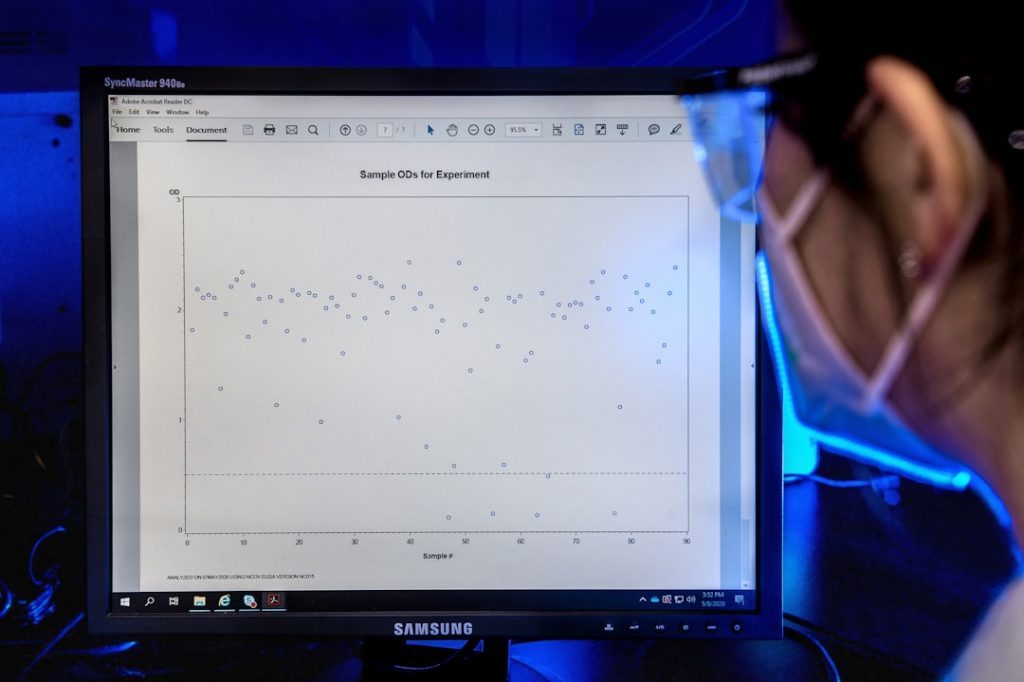
Modern IT environments are more complex than ever, spanning on‑premises infrastructure, cloud services, containers, and remote endpoints. Without the right visibility, small performance issues can escalate into costly outages. Monitoring software platforms have become essential tools for automating alerts, reducing noise, and proactively optimizing system health across distributed systems.
TLDR: Monitoring platforms help organizations automate alerts, identify performance issues in real time, and maintain overall system health. Tools like Datadog, SolarWinds, and PRTG offer powerful dashboards, intelligent alerting, and infrastructure visibility. By centralizing metrics, logs, and network data, these platforms reduce downtime and streamline IT operations. Choosing the right solution depends on infrastructure size, scalability needs, and budget.
Instead of relying on manual checks or reactive troubleshooting, businesses now deploy advanced monitoring systems that collect metrics continuously, apply analytics, and trigger alerts before service disruptions occur. Below are three monitoring software platforms that stand out for automation capabilities, reliability, and performance optimization features.
1. Datadog
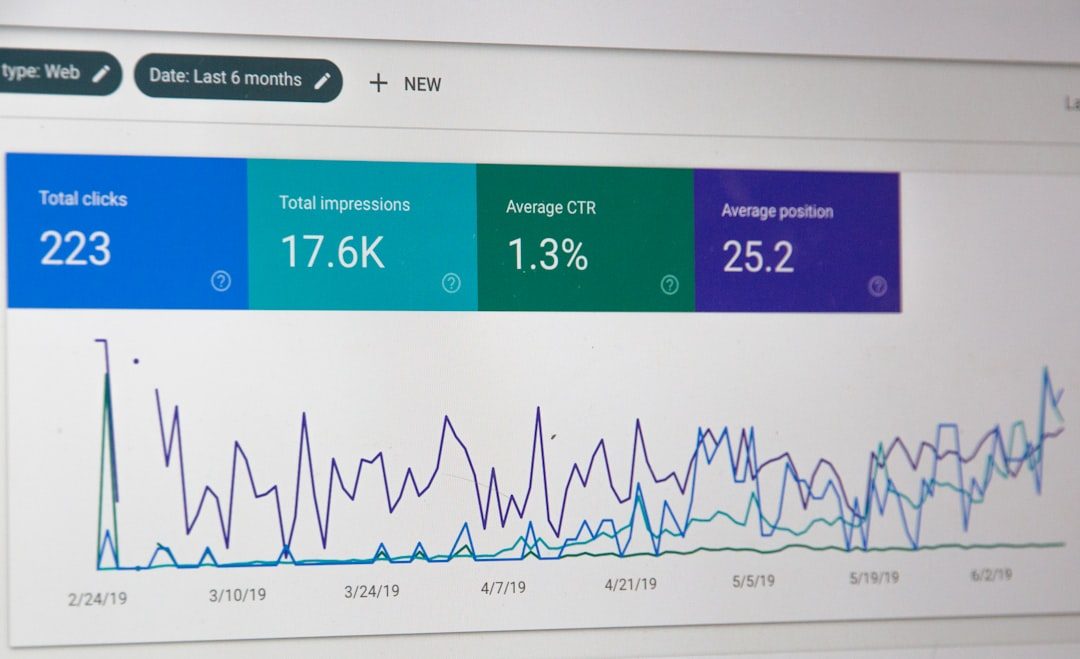
Datadog is a cloud‑native monitoring and analytics platform designed for dynamic, hybrid environments. It brings together infrastructure monitoring, application performance management (APM), log management, security monitoring, and network performance insights into a unified dashboard.

Key Features
- Automated Alerts: Intelligent anomaly detection powered by machine learning reduces false positives and prevents alert fatigue.
- Unified Observability: Combines metrics, traces, and logs in one platform for faster troubleshooting.
- Cloud Integrations: Native support for AWS, Azure, Google Cloud, Kubernetes, and hundreds of other services.
- Custom Dashboards: Drag‑and‑drop visualization tools tailored to business objectives.
- Scalable Architecture: Designed for growing enterprises and microservices environments.
Datadog excels in highly dynamic systems such as containerized or serverless environments. By continuously analyzing performance baselines, it can automatically detect deviations and notify IT teams before users experience downtime. Its collaboration features also enable teams to annotate dashboards and correlate incidents with deployments.
Best suited for: Cloud‑first companies, DevOps teams, and enterprises managing distributed infrastructure.
2. SolarWinds Network Performance Monitor (NPM)
SolarWinds Network Performance Monitor (NPM) is a powerful network‑focused monitoring platform designed for both mid‑sized organizations and large enterprises. Known for its detailed network mapping and performance analysis, SolarWinds helps organizations maintain stable connectivity and system performance.
Image not found in postmetaKey Features
- Smart Alerting System: Customizable thresholds and dependency‑aware alerts reduce unnecessary notifications.
- Network Mapping: Automatically discovers devices and visualizes topology relationships.
- Root Cause Analysis: Pinpoints performance bottlenecks quickly across routers, switches, and firewalls.
- Historical Reporting: Provides long‑term performance trend analysis for capacity planning.
- On‑Prem Deployment: Ideal for organizations requiring local control over infrastructure monitoring.
SolarWinds NPM emphasizes proactive network management. Instead of simply informing administrators of failures, it highlights potential capacity issues and unusual traffic patterns. Its dependency mapping ensures alerts reflect actual impact, preventing multiple redundant notifications when a single device fails.
This platform is often selected by institutions that prioritize structured visibility over complex distributed cloud monitoring tools.
Best suited for: Enterprises with complex on‑premises networks and dedicated IT operations teams.
3. PRTG Network Monitor
PRTG Network Monitor by Paessler is an all‑in‑one monitoring solution known for ease of use and flexible sensor‑based pricing. It monitors networks, servers, applications, bandwidth, and virtual environments from a single interface.


Key Features
- Sensor‑Based Monitoring: Each metric or service is tracked via configurable sensors.
- Real‑Time Alerts: Notifications via email, SMS, push notifications, and integrations.
- Auto‑Discovery: Detects devices and network segments automatically.
- Custom Maps and Dashboards: Visual dashboards for executive or technical users.
- Flexible Deployment: Available for on‑premises and cloud setups.
PRTG is particularly appealing for organizations seeking simplicity without sacrificing depth. It offers preconfigured sensors for common services like HTTP, SNMP, SQL, and virtual machines, allowing administrators to deploy monitoring quickly. The platform’s alert automation enables condition‑based triggers that escalate incidents when thresholds are exceeded.
Best suited for: Small to mid‑sized businesses and IT teams wanting straightforward yet powerful system monitoring.
Comparison Chart
| Feature | Datadog | SolarWinds NPM | PRTG |
|---|---|---|---|
| Deployment Type | Cloud-native SaaS | On-premises | On-prem & Cloud |
| Primary Focus | Full-stack observability | Network performance monitoring | All-in-one network & server monitoring |
| Alert Automation | AI-driven anomaly detection | Threshold & dependency-based | Sensor-based trigger alerts |
| Scalability | Highly scalable for cloud & containers | Strong for enterprise networks | Flexible for SMB to mid-size |
| Ease of Use | Moderate learning curve | Intermediate complexity | User-friendly interface |
| Best For | DevOps & Cloud teams | Network-centric IT teams | Growing IT departments |
How Automated Alerting Improves System Health
Automated alerting forms the foundation of proactive system management. Instead of waiting for users to report outages, monitoring platforms:
- Continuously track performance metrics such as CPU usage, memory load, and network latency.
- Analyze historical baselines to detect abnormal patterns.
- Trigger instant notifications when thresholds are crossed.
- Enable faster incident resolution through centralized dashboards.
This automation significantly reduces mean time to detection (MTTD) and mean time to resolution (MTTR), two critical metrics in IT service management. By resolving issues before they escalate, organizations improve uptime, user satisfaction, and operational efficiency.
Choosing the Right Monitoring Platform
Selecting an optimal platform depends on several factors:
- Infrastructure Complexity: Cloud‑heavy ecosystems may benefit from Datadog, while on‑prem networks might align with SolarWinds.
- Budget: Sensor‑based models like PRTG can be cost‑effective for smaller deployments.
- Scalability Requirements: Fast‑growing companies need platforms that scale easily.
- Integration Needs: Consider compatibility with DevOps tools, ticketing systems, and cloud providers.
- Security & Compliance: Some industries require on‑prem monitoring solutions for regulatory reasons.
Careful evaluation ensures the monitoring solution not only detects failures but also provides actionable insights to optimize long‑term system health.
Frequently Asked Questions (FAQ)
1. What is monitoring software?
Monitoring software is a platform that tracks the performance, availability, and health of IT infrastructure components such as servers, networks, applications, and cloud services. It automates alerts when issues or anomalies occur.
2. Why is automated alerting important?
Automated alerting reduces downtime by notifying IT teams immediately when thresholds are exceeded or unusual patterns emerge. This enables faster problem resolution and prevents business disruptions.
3. Which monitoring platform is best for cloud environments?
Datadog is particularly well‑suited for cloud‑native and containerized environments because of its extensive integrations and scalable architecture.
4. Can small businesses benefit from monitoring tools?
Yes. Platforms like PRTG provide user‑friendly dashboards and cost‑effective pricing models that make monitoring accessible to smaller IT teams.
5. Do monitoring platforms reduce false alerts?
Advanced platforms use intelligent alerting systems, dependency mapping, and anomaly detection to minimize false positives and prevent alert fatigue.
6. How do monitoring tools optimize system health?
By continuously analyzing performance metrics, identifying inefficiencies, and providing actionable insights, monitoring tools help teams proactively maintain stability and improve resource utilization.
Investing in the right monitoring software platform empowers organizations to transition from reactive troubleshooting to proactive system optimization. Whether managing complex cloud infrastructure or maintaining stable on‑prem networks, automated monitoring is a critical pillar of modern IT resilience.