



As data privacy regulations continue to evolve across the globe, businesses are under increasing pressure to handle user data responsibly and transparently. From the European Union’s General Data Protection Regulation (GDPR) to California’s Consumer Privacy Act (CCPA), compliance is no longer optional. Consent Management Platforms (CMPs) help organizations collect, manage, and document user consent while improving transparency and reducing legal risk. Choosing the right CMP can dramatically impact user trust, regulatory compliance, and overall data governance strategy.
TL;DR: Consent Management Platforms (CMPs) help websites comply with privacy regulations like GDPR and CCPA by collecting and managing user consent. This article explores five leading CMPs—OneTrust, TrustArc, Cookiebot, Usercentrics, and Quantcast Choice—and explains their key features, benefits, and ideal use cases. A comparison chart is included for easy evaluation. Implementing the right CMP improves both regulatory compliance and user trust.
Below are five CMPs that significantly enhance website compliance and transparency.
1. OneTrust
Overview: OneTrust is one of the most comprehensive privacy, security, and governance platforms available. It is widely used by enterprises seeking a scalable and customizable consent solution.
Key Features:
- Advanced cookie scanning and categorization
- Customizable consent banners and preference centers
- Geolocation-based consent rules
- IAB TCF (Transparency and Consent Framework) support
- Detailed consent reporting and audit trails
OneTrust excels in complex regulatory environments where businesses must comply with multiple regional laws simultaneously. Its geolocation features automatically display region-specific banners, helping organizations tailor compliance strategies efficiently.


Best for: Large enterprises and multinational organizations with complex compliance needs.
Strength: Comprehensive compliance management beyond just consent.
Consideration: Can be expensive and complex for small businesses.
2. TrustArc
Overview: TrustArc combines consent management with broader data privacy management tools. It provides robust governance functionality designed for privacy teams managing extensive data ecosystems.
Key Features:
- Automated cookie detection and classification
- Customizable consent UI
- Integrated privacy risk assessment tools
- Regulatory intelligence updates
- Comprehensive compliance dashboards
TrustArc stands out with its proactive approach to privacy risk management. Its platform doesn’t just collect consent—it helps identify vulnerabilities and regulatory gaps.
Best for: Organizations that want integrated privacy risk management alongside consent tracking.
Strength: Strong compliance intelligence capabilities.
Consideration: Implementation can require dedicated privacy resources.
3. Cookiebot (by Usercentrics)
Overview: Cookiebot is a widely adopted CMP known for its user-friendly interface and automated cookie scanning technology. It is especially popular among small to mid-sized businesses.
Key Features:
- Automatic cookie scanning and monthly reports
- Pre-built, customizable banners
- Automatic cookie blocking before consent
- GDPR, CCPA, and ePrivacy compliance
- Simple implementation via script integration
Cookiebot automatically categorizes cookies and blocks tracking technologies until users provide consent. This “prior consent” model is critical for GDPR compliance.

Best for: SMBs and website operators seeking straightforward implementation.
Strength: Easy setup and transparent pricing tiers.
Consideration: Fewer enterprise-level governance features.
4. Usercentrics
Overview: Usercentrics offers flexible consent solutions tailored to businesses of various sizes. It supports websites, apps, and connected devices, making it highly versatile.
Key Features:
- Granular consent collection by service or purpose
- Highly customizable UI templates
- Cross-device and cross-domain consent synchronization
- Integrated A/B testing for consent banners
- Detailed analytics and reporting
Usercentrics differentiates itself through its strong focus on user experience optimization. Businesses can test different banner layouts to improve opt-in rates without sacrificing compliance.
Best for: Digital-first companies focused on both compliance and conversion optimization.
Strength: Balance between compliance rigor and UX flexibility.
Consideration: Advanced customization may require technical expertise.
5. Quantcast Choice
Overview: Quantcast Choice is a free CMP solution that supports IAB TCF standards and provides robust compliance tools for publishers and advertisers.
Key Features:
- Free access to core CMP tools
- IAB TCF v2.2 compliance
- Global consent support
- Easy tag-based implementation
- Multilingual banner options
Quantcast Choice is especially popular among publishers in the advertising ecosystem, as it integrates seamlessly with programmatic advertising requirements.

Best for: Publishers and ad-supported websites.
Strength: Cost-effective and IAB-focused.
Consideration: Limited advanced enterprise features compared to paid platforms.
Comparison Chart
| CMP | Best For | Key Strength | Pricing Level | Enterprise Features |
|---|---|---|---|---|
| OneTrust | Large enterprises | Comprehensive compliance suite | High | Extensive |
| TrustArc | Privacy governance teams | Risk management integration | High | Extensive |
| Cookiebot | SMBs | Ease of use | Moderate | Limited |
| Usercentrics | Digital businesses | UX flexibility | Moderate to High | Strong |
| Quantcast Choice | Publishers | Free IAB compliance | Free | Moderate |
Why CMPs Matter for Website Compliance and Transparency
Modern privacy regulations emphasize informed consent, meaning users must understand what data is collected and how it will be used. CMPs make this possible by:
- Displaying clear and customizable consent banners
- Allowing granular opt-in and opt-out controls
- Keeping time-stamped records of user preferences
- Automatically blocking unauthorized tracking scripts
- Providing audit-ready documentation
Beyond legal compliance, CMPs strengthen user trust. When visitors see transparent data practices and clear privacy options, they are more likely to perceive a website as credible and responsible.
Transparency builds loyalty. In an era of increasing privacy awareness, companies that prioritize ethical data collection stand out from competitors.
How to Choose the Right CMP
When selecting a Consent Management Platform, organizations should evaluate:
- Regulatory Coverage: Does it support GDPR, CCPA, LGPD, and other relevant laws?
- Integration Capabilities: Will it integrate with existing CMS, analytics, and advertising tools?
- Customization Options: Can banners reflect brand identity?
- Scalability: Will it grow with business expansion?
- Reporting & Auditing: Are compliance reports easily accessible?
Smaller businesses often benefit from simpler, cost-effective solutions like Cookiebot or Quantcast Choice, while enterprises typically require the depth of OneTrust or TrustArc.
Frequently Asked Questions (FAQ)
1. What is a Consent Management Platform (CMP)?
A CMP is a software solution that enables websites to collect, manage, and document user consent for data collection and processing activities, ensuring compliance with privacy regulations.
2. Is a CMP mandatory for every website?
While not every website is legally required to use a CMP, any site that collects personal data from users in regions with privacy regulations like GDPR or CCPA generally needs a compliant consent mechanism.
3. Can a CMP improve user trust?
Yes. By offering clear privacy notices and granular control over data preferences, CMPs demonstrate transparency and accountability, which strengthens user trust.
4. Do free CMP solutions provide full compliance?
Free solutions such as Quantcast Choice may offer sufficient compliance tools for smaller websites, but they may lack advanced governance and customization features required by enterprises.
5. How often should consent records be updated?
Consent records should be maintained continuously and refreshed whenever privacy policies change, new tracking technologies are added, or regulations are updated.
6. Can CMPs impact website performance?
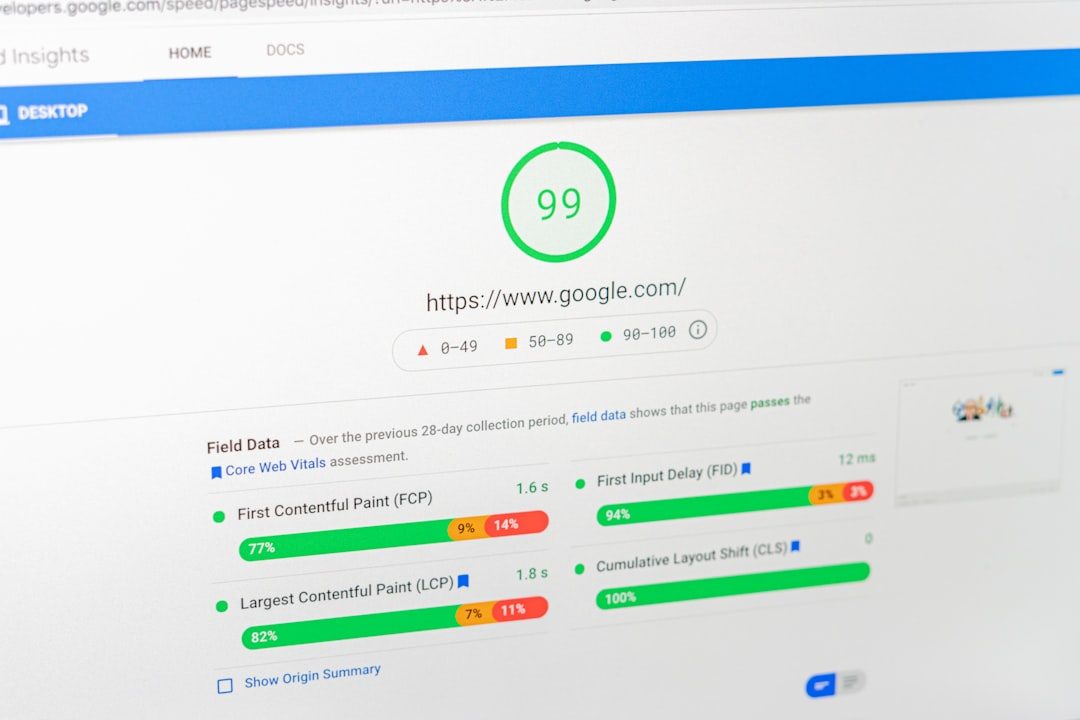
Well-implemented CMPs are optimized for performance. However, improper configuration or excessive scripts can affect loading speed, making proper integration crucial.
Implementing the right Consent Management Platform is no longer just about avoiding fines—it is about fostering transparency, accountability, and trust. As privacy expectations continue to evolve, CMPs remain foundational tools for responsible digital governance.