



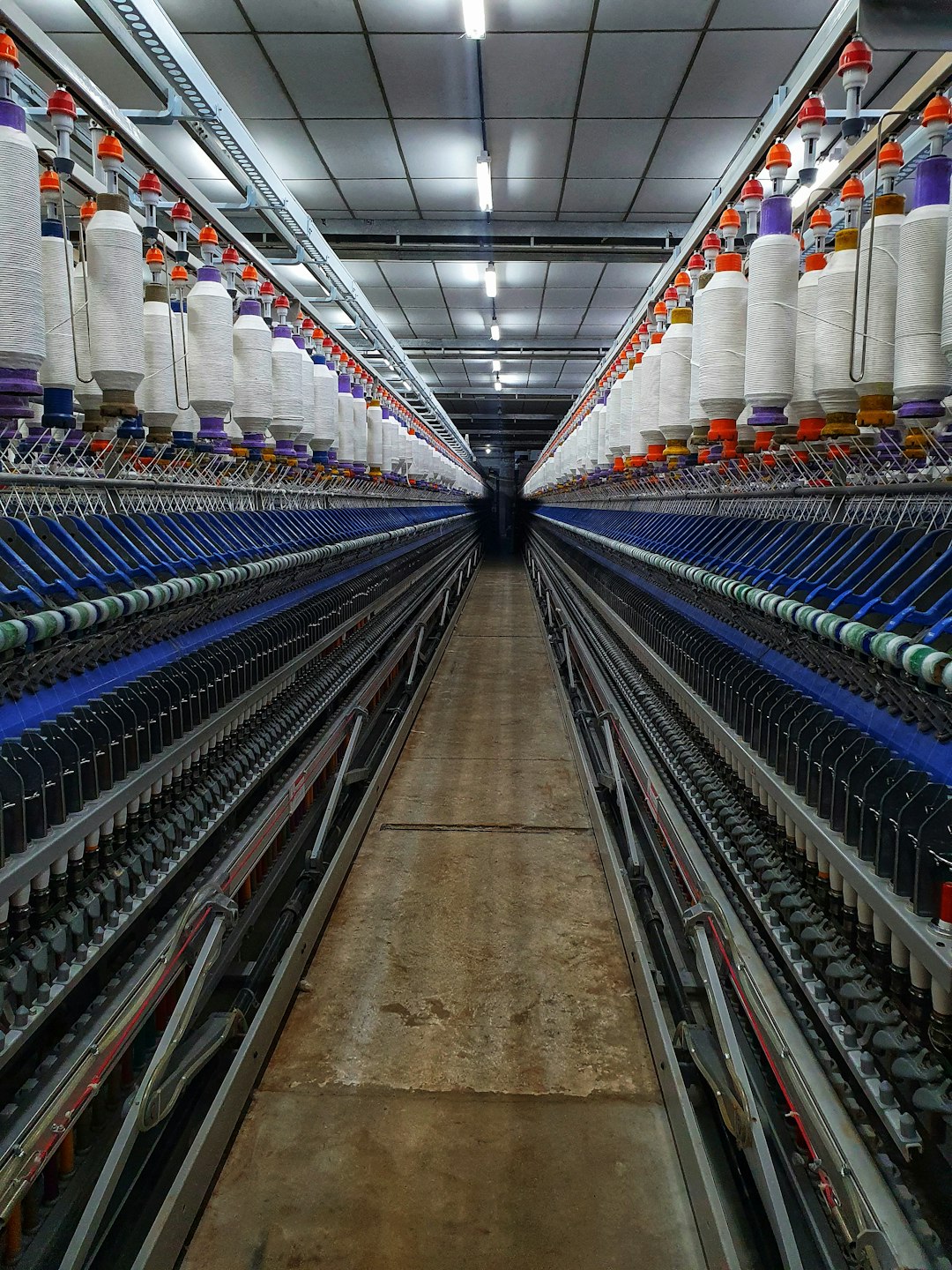
The textile industry operates on thin margins, tight timelines, and complex global supply chains. From fiber sourcing and dyeing to cutting, sewing, and final shipment, every stage of production must align precisely to avoid costly delays and waste. In recent years, Textile Production Planning SaaS platforms have emerged as critical tools for manufacturers looking to modernize operations, increase transparency, and streamline manufacturing workflows across facilities and partners.
TLDR: Textile Production Planning SaaS platforms help manufacturers coordinate materials, machines, labor, and timelines in real time. The best solutions reduce bottlenecks, improve forecasting accuracy, and provide end-to-end production visibility. This article reviews five leading platforms that specialize in textile and apparel workflows. A comparison chart is included to help decision-makers evaluate core differences quickly.
Why Textile Production Planning Requires Specialized Software
Unlike generic manufacturing environments, textile production includes distinctive variables:
- Batch processing and dye lot control
- Frequent style and SKU changes
- Seasonal demand volatility
- Multi-stage production processes (spinning, knitting, weaving, finishing, cutting, sewing)
- Outsourced and distributed manufacturing networks
Manual spreadsheets or generic ERP systems often lack the depth required to manage these complexities efficiently. Modern SaaS platforms offer:
- Real-time production dashboards
- Automated capacity planning
- Material Requirements Planning (MRP)
- Shop floor data collection
- Production scheduling and rescheduling tools

Below are five software platforms that stand out for their textile-specific capabilities and workflow optimization features.
1. Coats Digital – GSDCost & FastReactPlan
Best for: Large-scale apparel and textile manufacturers focused on precision planning and cost control.
Coats Digital provides a specialized ecosystem built specifically for fashion and textile operations. Its FastReactPlan module enables advanced production planning and scheduling, while GSDCost focuses on scientifically validated time and cost estimation.
Key Features:
- Finite capacity planning across multiple factories
- Real-time production visibility
- Critical path tracking
- What-if scenario modeling
- Minute-level labor cost benchmarking
Coats Digital is particularly strong in aligning production plans with Standard Minute Values (SMVs), ensuring realistic schedules based on actual factory capabilities. This makes it highly suitable for global brands and large supply chain networks.
Consideration: Implementation can require thorough process standardization, which may take time for decentralized organizations.
2. Texware/Softwear Automation – Shopfloor-Online
Best for: Mid-sized textile businesses seeking real-time shop floor visibility.
Shopfloor-Online is developed specifically for sewn goods manufacturers. It focuses on improving data capture at the production line level and translating that data into actionable scheduling insights.
Key Features:
- Real-time operator performance tracking
- Production line balancing tools
- Efficiency and throughput monitoring
- Cloud-based deployment
- Integration with ERP systems
The platform excels in improving shop floor accountability and transparency, helping managers identify inefficiencies before they escalate into delivery delays.
Consideration: While strong on shop-floor tracking, it may require integration with other systems for advanced supply chain management.
3. Datatex NOW ERP
Best for: Vertically integrated textile mills managing spinning, weaving, dyeing, and finishing.
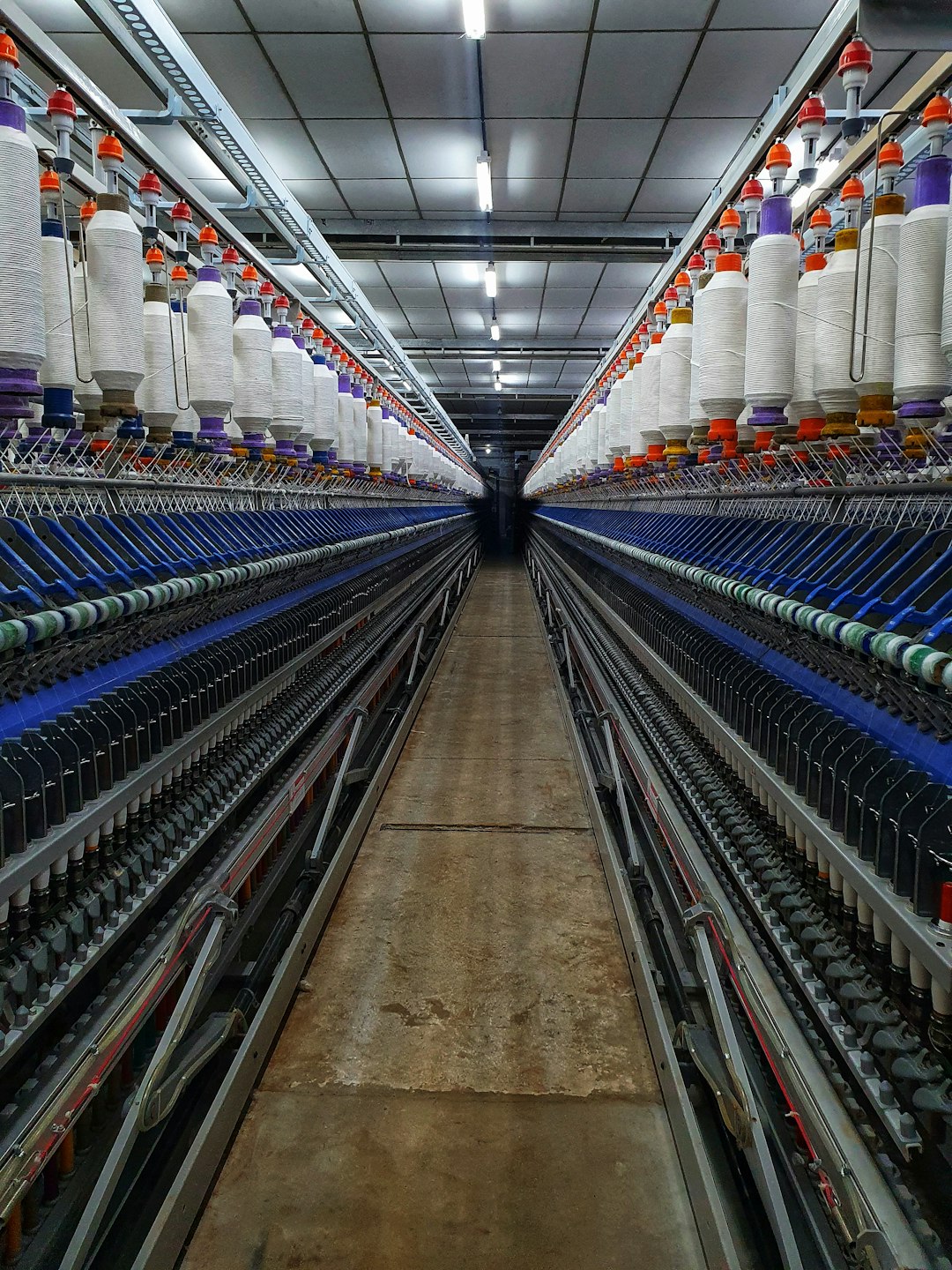
Datatex NOW ERP is a cloud-native solution built exclusively for textile manufacturers. It offers strong production planning modules integrated directly with inventory, quality management, and financial systems.
Key Features:
- Fiber-to-finish traceability
- Advanced Material Requirements Planning (MRP)
- Lot and batch control
- Quality management integration
- Multi-plant production coordination
One of Datatex’s major strengths lies in handling textile-specific processes such as dye lot consistency and fiber blending ratios. This makes it ideal for mills with complex upstream operations.
Consideration: Its ERP depth can be more than necessary for smaller cut-and-sew operations.
4. BlueCherry by CGS
Best for: Growing apparel brands and manufacturers requiring end-to-end visibility.
BlueCherry combines PLM (Product Lifecycle Management), ERP, and production planning functionality in a unified cloud environment. It supports forecasting, raw material allocation, and production execution.
Key Features:
- Demand forecasting tools
- Integrated supply chain management
- Production order tracking
- Warehouse management
- Electronic Data Interchange (EDI) support
BlueCherry provides a strong bridge between design, sourcing, and manufacturing teams. This end-to-end integration reduces silos and ensures production plans align with customer demand forecasts.
Consideration: Some highly specialized mills may require additional textile-specific customization.
5. ApparelMagic
Best for: Small to mid-sized textile and apparel businesses seeking accessible cloud planning tools.
ApparelMagic offers an intuitive cloud ERP system that includes production planning and inventory control features tailored for apparel production workflows.
Key Features:
- Production order management
- Raw material tracking
- Inventory forecasting
- Vendor management
- Integrated accounting tools
The system is particularly well-suited for companies transitioning from spreadsheets to structured production planning software.
Consideration: It may lack the deep mill-level production logic required by complex vertical operations.
Comparison Chart: Textile Production Planning SaaS Platforms
| Platform | Best For | Core Strength | Cloud-Based | Textile-Specific Features |
|---|---|---|---|---|
| Coats Digital | Large apparel manufacturers | Finite capacity planning & cost accuracy | Yes | SMV benchmarking, critical path tracking |
| Shopfloor-Online | Sewn goods manufacturers | Real-time shop floor tracking | Yes | Line balancing, operator efficiency |
| Datatex NOW ERP | Textile mills | Fiber-to-finish integration | Yes | Dye lot control, fiber blending |
| BlueCherry | Growing apparel brands | End-to-end supply chain visibility | Yes | Forecast alignment with production |
| ApparelMagic | SMBs | User-friendly production management | Yes | Inventory forecasting for apparel |
How These Platforms Streamline Manufacturing Workflows
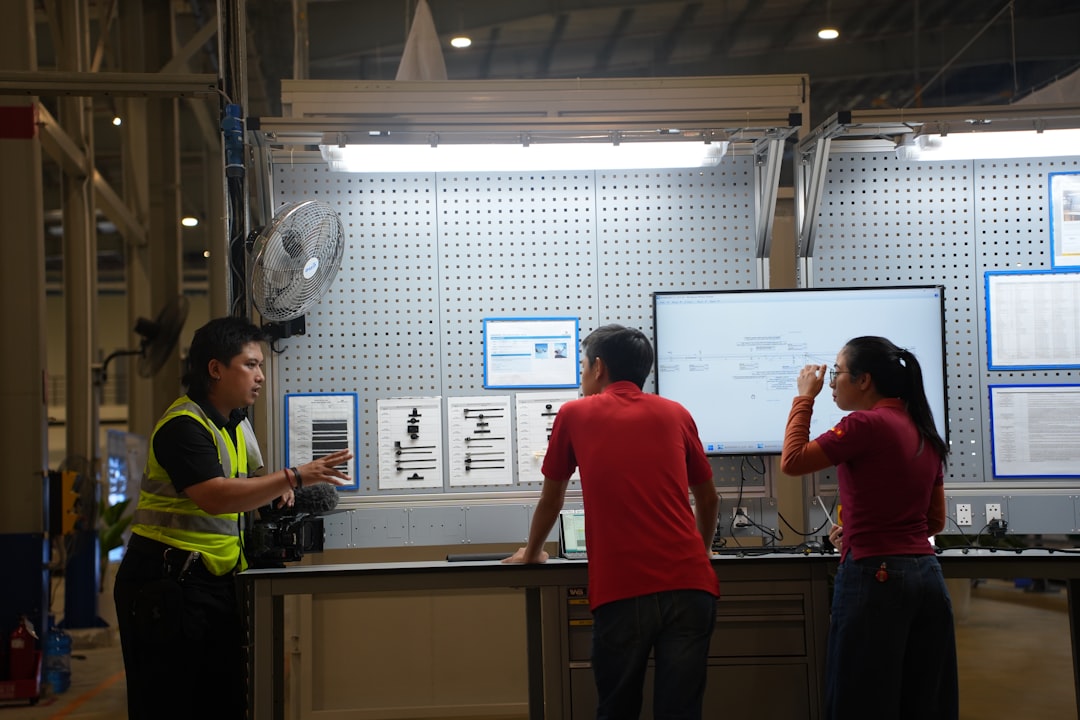
The common thread among these SaaS tools is their ability to eliminate manual coordination and replace it with automated, data-driven planning.

1. Improved Capacity Alignment
By calculating machine capacity, labor availability, and production timelines in real time, managers can prevent overbooking and underutilization.
2. Faster Response to Disruptions
Modern SaaS systems allow dynamic rescheduling. If a dyeing batch is delayed or raw material shipments arrive late, planners can instantly re-optimize schedules.
3. Reduced Waste and Rework
Enhanced traceability and batch control significantly reduce quality errors and fabric wastage.
4. Data-Driven Decision Making
Advanced dashboards provide actionable insights on:
- Overall Equipment Effectiveness (OEE)
- Production efficiency rates
- On-time delivery performance
- Cost per unit metrics
5. Stronger Supplier and Partner Coordination
With centralized cloud platforms, vendors and subcontractors can access shared production timelines, improving transparency across global supply chains.
Choosing the Right Platform
Selecting the right Textile Production Planning SaaS platform requires evaluating:
- Operational complexity (cut-and-sew vs. vertical mill)
- Company size and scalability requirements
- Integration needs with existing ERP or PLM systems
- Implementation resources available
- Industry-specific feature depth
A pilot implementation or phased rollout often reduces disruption and builds internal adoption.
Conclusion
Textile manufacturing is no longer sustainable with disconnected spreadsheets and reactive planning processes. The increasing demand for speed, sustainability, and traceability requires structured, cloud-based systems capable of synchronizing every stage of production.
The five platforms discussed—Coats Digital, Shopfloor-Online, Datatex NOW ERP, BlueCherry, and ApparelMagic—demonstrate how specialized SaaS solutions can streamline workflows, reduce costs, and improve delivery reliability. The best choice depends on operational scale and production complexity, but the strategic direction is clear: digitized production planning is no longer optional—it is foundational to competitive textile manufacturing.