


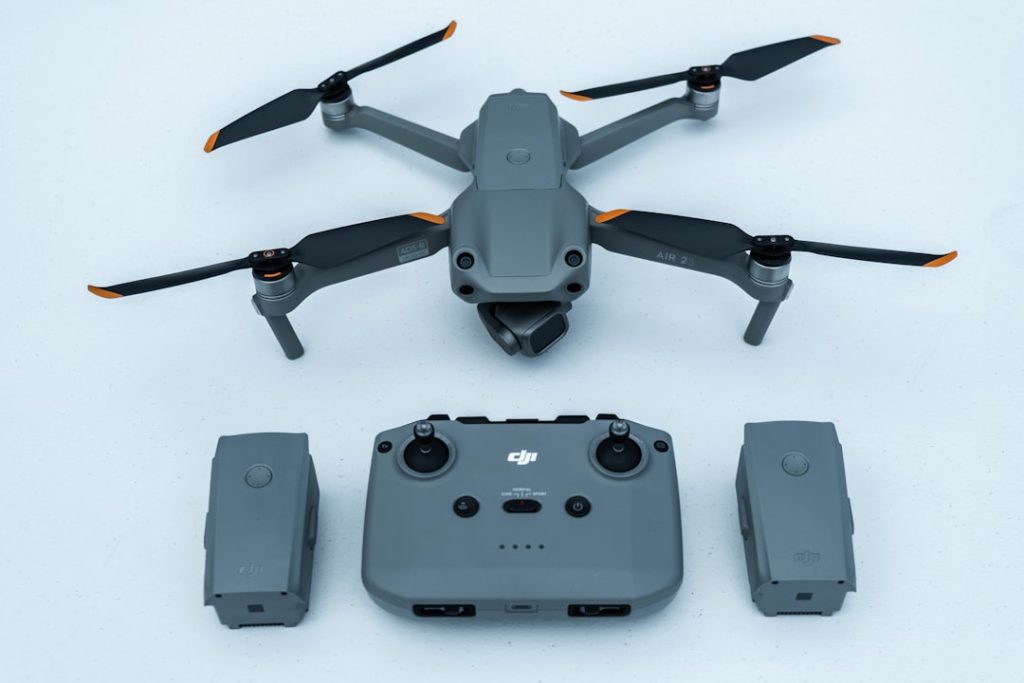
Commercial and enterprise drone operations have rapidly evolved from small pilot programs to large-scale fleets performing inspections, surveying, mapping, delivery, and security missions. As fleets grow, so does the complexity of compliance, maintenance, pilot management, and data workflows. Dedicated drone fleet management SaaS platforms help organizations centralize operations, automate reporting, and ensure safe, regulatory-compliant flights across multiple regions.
TLDR: Enterprise drone operators need centralized platforms to manage pilots, aircraft, compliance, maintenance, and data. Drone fleet management SaaS solutions reduce operational risk, improve efficiency, and streamline mission planning. The best platforms offer airspace intelligence, automated logging, analytics, and integrations with enterprise systems. Below are seven leading solutions designed for scaling commercial drone operations.
Why Enterprise Drone Fleet Management Software Matters
Managing a multi-drone operation across different teams or regions involves significantly more than simply scheduling flights. Organizations must track airworthiness, battery health, firmware updates, pilot certifications, risk assessments, maintenance cycles, and regulatory filings. Without a centralized platform, operations can quickly become fragmented.
- Regulatory compliance tracking (FAA, EASA, and local aviation authorities)
- Maintenance logs and fleet health monitoring
- Mission scheduling and airspace intelligence
- Pilot documentation and training records
- Data management and reporting dashboards

For industries like energy, construction, agriculture, mining, telecommunications, and public safety, robust fleet management tools are mission-critical rather than optional.
7 Drone Fleet Management SaaS Solutions for Commercial and Enterprise Operators
1. AirData UAV
AirData UAV is one of the most widely used drone fleet data management platforms globally. It provides flight log analysis, maintenance tracking, and compliance tools tailored to enterprise environments.
Key Features:
- Automated flight log syncing
- Maintenance alerts and battery health tracking
- Remote fleet oversight
- Detailed analytics dashboards
- Compliance reporting tools
AirData is particularly valuable for organizations using DJI and other major drone platforms, offering deep hardware integrations and robust operational insights.
2. DroneDeploy
Although best known for mapping and reality capture, DroneDeploy also provides fleet management and fleet performance tracking for enterprise operators.
Key Features:
- Cloud-based mission planning
- Fleet performance analytics
- Role-based team management
- Automated data processing workflows
DroneDeploy is especially popular in construction, agriculture, and energy sectors where mapping and inspection workflows are central to operations.
3. Aloft (formerly Kittyhawk)
Aloft is a leading airspace management and compliance platform used by public safety teams and enterprise operators.
Key Features:
- LAANC authorization support
- Airspace intelligence tools
- Compliance documentation
- Flight logging
- Operational risk assessments
Aloft stands out for its regulatory strength, making it a strong choice for organizations operating in complex urban airspace.
4. FlytBase
FlytBase is designed for large-scale drone automation and remote operations. It is often used in security, warehouse surveillance, and industrial automation environments.
Key Features:
- Remote drone operations
- Dock integration
- API integrations with enterprise systems
- Automated mission scheduling

FlytBase is ideal for enterprises implementing drone-in-a-box deployments or persistent aerial monitoring systems.
5. Skyward (by Verizon)
Skyward focuses on connecting drone operations with enterprise-grade connectivity and aviation compliance tools.
Key Features:
- Fleet and asset tracking
- Regulatory compliance workflows
- Mobile flight operations tools
- Integration with cellular connectivity
Telecommunications providers and infrastructure operators often leverage Skyward for connected and scalable fleet management.
6. DJI FlightHub 2
DJI FlightHub 2 is DJI’s cloud-based fleet management solution, optimized for DJI enterprise hardware ecosystems.
Key Features:
- Real-time fleet monitoring
- Remote mission planning
- Cloud data sharing
- Live streaming capabilities
For organizations heavily invested in DJI hardware, FlightHub 2 provides seamless hardware-software integration.
7. Dronedesk
Dronedesk emphasizes operations management, regulatory compliance, and job planning tools for commercial drone service providers.
Key Features:
- CRM-style job management
- Risk assessments and method statements
- Maintenance tracking
- Client reporting tools
Dronedesk is particularly strong for growing service companies needing structured workflows.
Comparison Chart of Drone Fleet Management SaaS Solutions
| Platform | Best For | Compliance Tools | Automation | Enterprise Integrations |
|---|---|---|---|---|
| AirData UAV | Fleet analytics and maintenance | Yes | Moderate | Limited API |
| DroneDeploy | Mapping and inspections | Basic | High | Strong integrations |
| Aloft | Airspace compliance | Strong | Moderate | Limited |
| FlytBase | Remote and dock automation | Moderate | Very High | Robust API |
| Skyward | Connected enterprise fleets | Strong | Moderate | Telecom integration |
| DJI FlightHub 2 | DJI hardware fleets | Platform dependent | High | DJI ecosystem |
| Dronedesk | Service providers | Strong | Low | Moderate CRM tools |
Key Features to Look for in Enterprise Drone Fleet Software
Choosing the right solution depends on operational complexity and scale. Enterprises should prioritize:
- Scalability to handle expanding fleets
- Real-time fleet visibility
- Automated maintenance scheduling
- Advanced airspace and compliance integration
- Data security and cloud protections
- API compatibility for ERP, GIS, and asset management systems
Security and regulatory compliance are becoming increasingly important, particularly for critical infrastructure and government-adjacent organizations.
Industries Benefiting Most from Drone Fleet Management SaaS
Several sectors have emerged as heavy adopters of fleet management platforms:
- Energy and Utilities: Powerline and pipeline inspections
- Construction: Progress tracking and volumetric analysis
- Agriculture: Crop health analytics
- Telecommunications: Tower inspection and rollout planning
- Public Safety: Emergency response and situational awareness
As drone regulations evolve and beyond visual line of sight operations expand, centralized SaaS fleet systems will become even more critical for maintaining operational control.
Frequently Asked Questions (FAQ)
1. What is drone fleet management software?
Drone fleet management software is a cloud-based platform that helps organizations manage drones, pilots, compliance records, flight logs, maintenance schedules, and mission planning from a centralized dashboard.
2. Why do enterprise drone operators need SaaS solutions?
Enterprises often operate multiple drones across locations. SaaS solutions provide scalability, automated updates, remote access, and centralized compliance tracking essential for risk management and efficiency.
3. Which platform is best for regulatory compliance?
Aloft and Skyward are particularly strong in airspace intelligence and compliance workflows, though AirData and Dronedesk also provide robust documentation tools.
4. Are these platforms hardware-specific?
Some platforms like DJI FlightHub 2 are optimized for specific hardware ecosystems, while others such as AirData and FlytBase support multiple drone manufacturers.
5. Can these systems integrate with enterprise software?
Yes. Many enterprise-focused platforms provide APIs or direct integrations with GIS systems, asset management tools, ERP platforms, and cloud storage environments.
6. How do drone-in-a-box systems differ from traditional fleet setups?
Drone-in-a-box systems involve automated docking stations and remote deployment. Platforms like FlytBase specialize in supporting these automated operations.
7. What should companies consider before investing?
Organizations should evaluate fleet size, industry compliance requirements, hardware compatibility, scalability needs, integration capabilities, and cybersecurity standards before selecting a solution.
Drone fleet management SaaS solutions have shifted from being optional tools to foundational infrastructure for modern aerial operations. As industries continue adopting drone technology at scale, centralized platforms will play a defining role in ensuring safety, efficiency, and regulatory compliance.