


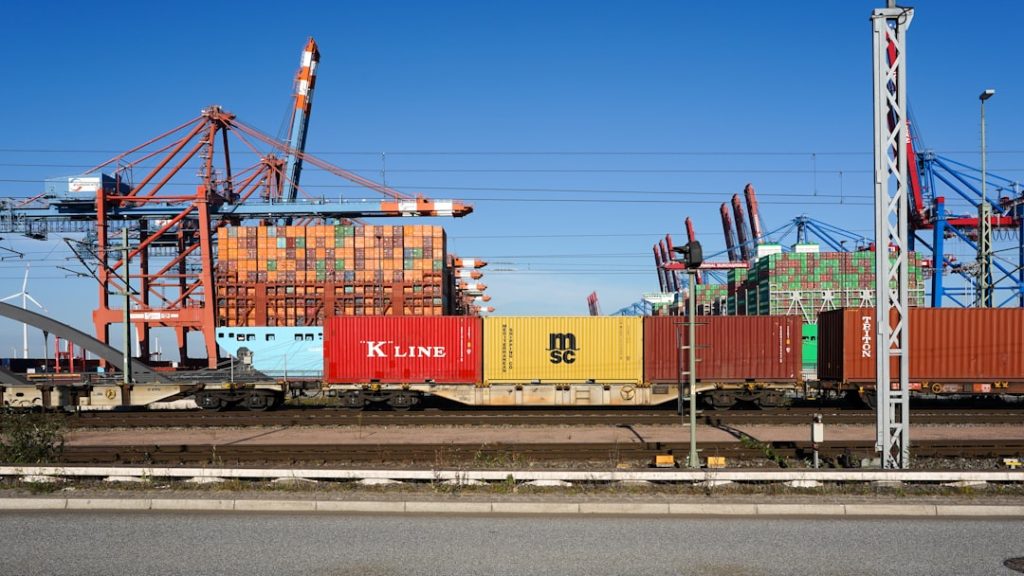
Global trade depends on the speed, reliability, and coordination of modern ports. As cargo volumes grow and supply chains become more complex, ports can no longer rely on manual processes and disconnected systems. Port logistics optimization platforms have emerged as critical infrastructure, enabling real-time visibility, predictive planning, and integrated communication across shipping lines, terminal operators, trucking companies, and customs authorities.
TLDR: Port logistics optimization platforms improve vessel turnaround, reduce congestion, and enhance cargo visibility through real-time data and predictive analytics. Leading solutions such as Navis N4, Kaleris, PortXchange, and others integrate terminal operations, berth scheduling, and landside coordination. These systems minimize delays, lower operational costs, and enhance sustainability. Investing in the right platform can significantly increase throughput and operational resilience.
Below are seven leading port logistics optimization platforms that are transforming maritime operations worldwide.
1. Navis N4 Terminal Operating System (TOS)
Navis N4 is one of the most widely adopted terminal operating systems globally. Designed for container terminals, it offers deep functionality for planning, execution, and optimization.
- Advanced yard planning to minimize container reshuffles
- Automated equipment control integration (ASC, RTG, STS cranes)
- Berth window optimization for improved vessel scheduling
- Real-time performance dashboards
Navis N4 enhances vessel turnaround by synchronizing quay crane operations with yard and gate activities. Its optimization algorithms reduce container dwell time and improve yard density without sacrificing accessibility.

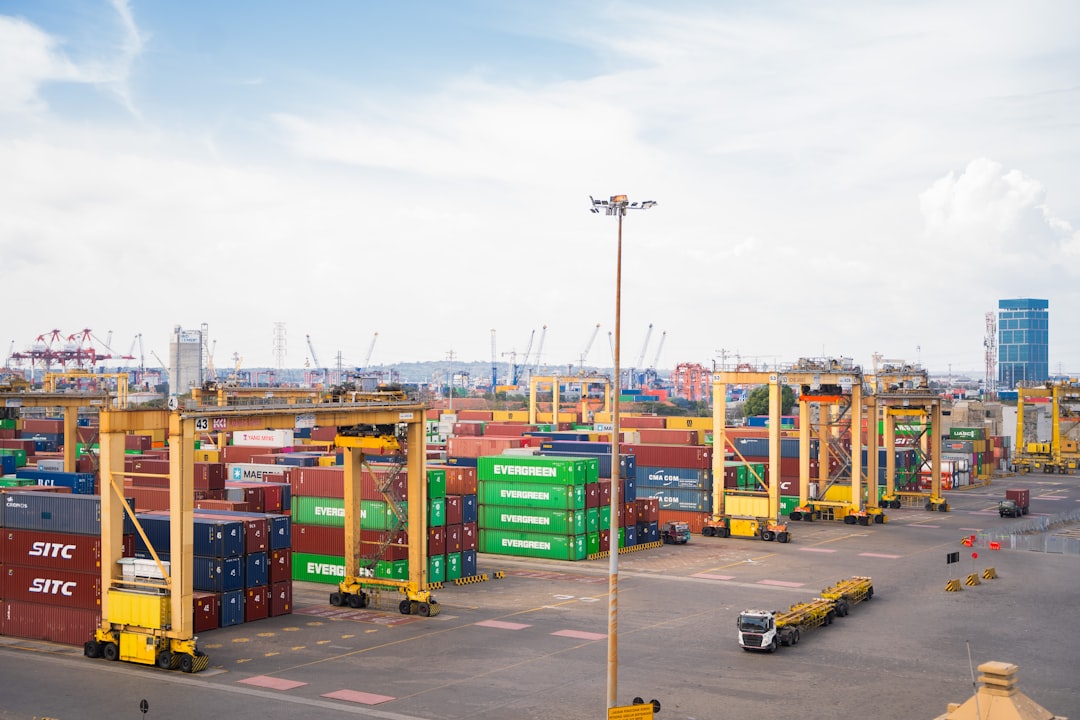
Best suited for: Large and mid-sized container terminals seeking deep operational control.
2. Kaleris (Formerly Navis and XVELA Integrated Solutions)
Kaleris extends beyond traditional terminal operating systems, incorporating stowage optimization, execution systems, and real-time vessel collaboration tools.
- Cloud-based collaborative berth management
- Stowage optimization to reduce rehandling
- Integrated carrier-terminal communication
- Data-driven performance benchmarking
One of Kaleris’ strengths is its capacity to optimize vessel stowage before arrival, aligning crane splits and yard positioning with discharge priorities. This can significantly cut port stay duration.
Best suited for: Ports prioritizing collaboration between carriers and terminals.
3. PortXchange
PortXchange focuses on berth planning and just-in-time (JIT) arrival optimization. It addresses one of the most persistent inefficiencies in shipping: vessels arriving too early and waiting at anchorage.
- Real-time ETA prediction
- Berth allocation optimization
- Dynamic scheduling adjustments
- Emission reduction analytics
By synchronizing vessel speed with berth availability, PortXchange reduces anchorage congestion, fuel consumption, and emissions. For ports facing capacity constraints, this approach can unlock significant productivity gains without physical expansion.
Best suited for: Ports looking to implement JIT arrival and reduce anchorage delays.
4. Awake.AI Smart Port Platform
Awake.AI offers a digital twin-based smart port platform powered by artificial intelligence. It connects all port actors into one shared situational awareness system.
- AI-driven traffic prediction
- Digital twin simulation of port operations
- Integrated stakeholder communication tools
- Sea and landside traffic management
The platform excels in anticipatory decision-making. By forecasting congestion and bottlenecks hours or days in advance, operators can reassign resources proactively.
Image not found in postmetaBest suited for: Smart ports seeking predictive, AI-based coordination.
5. Tideworks Technology Mainsail (and Spinnaker Planning)
Tideworks Technology provides terminal operating and planning solutions that emphasize flexibility and scalability.
- Terminal operations management (Mainsail)
- Advanced planning module (Spinnaker)
- Intermodal and breakbulk support
- Cloud deployment options
Tideworks is particularly strong in serving mixed cargo environments, including container, breakbulk, and RoRo operations. Its planning tools optimize crane sequencing and yard moves, reducing unproductive equipment cycles.
Best suited for: Specialized or mid-sized terminals with diverse cargo types.
6. INFORM Port Logistics Suite
INFORM uses advanced optimization algorithms and artificial intelligence for terminal planning and execution.
- Yard slot optimization
- Equipment dispatch optimization
- Simulation modeling
- Real-time decision support
Unlike rule-based systems, INFORM relies on mathematical optimization to dynamically allocate tasks. This reduces empty travel distance for yard vehicles and improves crane productivity.
Ports using INFORM often report measurable improvements in throughput and fuel efficiency due to better equipment deployment.
Best suited for: Data-driven terminals focused on algorithmic efficiency gains.
7. SAP Transportation Management for Ports
While not exclusively maritime-focused, SAP Transportation Management (SAP TM) integrates landside logistics with port operations, enhancing end-to-end supply chain visibility.
- End-to-end shipment visibility
- Customs and compliance tracking
- Intermodal transportation planning
- ERP integration
For port authorities operating within larger logistics ecosystems, SAP TM ensures seamless data exchange between terminal operators, freight forwarders, and inland carriers.
Best suited for: Ports requiring tight integration with enterprise logistics systems.
Platform Comparison Chart
| Platform | Primary Focus | Best For | Key Strength | Deployment Type |
|---|---|---|---|---|
| Navis N4 | Terminal operations | Large container terminals | Deep operational control | On-premise / Cloud |
| Kaleris | Stowage + collaboration | Carrier-terminal integration | Pre-arrival optimization | Cloud |
| PortXchange | Berth optimization | JIT arrival ports | Anchorage reduction | Cloud |
| Awake.AI | Smart port AI | Digitally advanced ports | Predictive analytics | Cloud |
| Tideworks | Mixed cargo TOS | Mid-sized terminals | Operational flexibility | Cloud / On-premise |
| INFORM | Optimization algorithms | Efficiency-focused terminals | Mathematical dispatching | Modular |
| SAP TM | Landside integration | Enterprise ecosystems | ERP connectivity | Cloud |
Key Benefits of Port Logistics Optimization Platforms
Across different systems and deployment models, the measurable benefits are consistent:
- Reduced vessel turnaround time
- Lower fuel consumption and emissions
- Improved yard density and reduced rehandles
- Enhanced transparency across stakeholders
- Greater resilience during disruptions
Importantly, these platforms do not merely digitize paperwork. They fundamentally re-engineer workflows through data-driven decision-making. In high-volume ports, even a small percentage improvement in crane productivity or berth utilization can translate into millions of dollars in annual value.
Strategic Considerations When Selecting a Platform
Choosing the right solution requires evaluating several factors:
- Port size and cargo profile: Container-only vs. multi-purpose terminals.
- Integration requirements: Customs, rail operators, ERP systems.
- Scalability: Ability to handle future growth.
- Cybersecurity and compliance: Increasingly critical in maritime infrastructure.
- Total cost of ownership: Licensing, training, maintenance.
Ports should also consider phased implementation strategies to avoid operational disruption.
Conclusion
In a competitive and environmentally conscious maritime industry, operational efficiency is no longer optional. Port congestion, labor shortages, and rising fuel costs demand precise coordination and predictive intelligence. Modern port logistics optimization platforms provide these capabilities through real-time visibility, AI-powered forecasting, and integrated stakeholder collaboration.
Whether through comprehensive terminal operating systems like Navis N4, predictive collaboration tools like Kaleris, AI-driven smart port platforms like Awake.AI, or berth optimization solutions like PortXchange, ports now have powerful instruments to improve shipping efficiency and vessel turnaround.
As global trade volumes continue to rise, the ports that invest in intelligent optimization platforms today will be best positioned to deliver speed, reliability, and sustainability tomorrow.