


Send your first abandoned cart email within one hour, keep the message simple, and make the return path painfully obvious. Most shoppers do not need a clever speech. They need a reminder, reassurance, and one clear button that takes them back to the cart.
TLDR: A strong abandoned cart sequence usually has 3 emails over 48 hours: a quick reminder, a trust-building follow-up, and a final nudge. For example, a skincare store with 12,000 monthly carts could recover 8% more orders by sending the first email after 45 minutes and adding product reviews in email two. If the average order value is $64, even 150 recovered carts can mean $9,600 in extra revenue. Start with timing, then test subject lines, incentives, and checkout friction.
Why abandoned cart emails still work
Abandoned cart emails work because the shopper already showed intent. They browsed. They compared. They added a product. Then something got in the way.
Maybe shipping felt too high. Maybe the checkout asked for too many details. Maybe the shopper got distracted by a call, a child, or a login screen that took 12 seconds too long to load. Honestly, it feels like some checkout pages are designed to test human patience.
The email’s job is not to sell from zero. It is to bring the person back to a decision they nearly made.

The best timing for abandoned cart emails
Timing has a major effect on recovery rates. Send too soon, and you may interrupt someone still shopping. Send too late, and the buying mood fades.
Use this simple timing framework:
- Email 1: 30 to 60 minutes after abandonment. Send a gentle reminder. No discount yet unless your margins allow it.
- Email 2: 12 to 24 hours later. Add proof, benefits, reviews, or answers to common objections.
- Email 3: 36 to 48 hours later. Create urgency. Mention low stock, ending perks, or a limited-time offer.
For higher-priced products, you can stretch the sequence slightly. A $1,200 sofa needs a longer decision window than a $28 water bottle. For quick-buy items, speed matters more.
Template 1: The simple reminder
This is the workhorse email. It should feel helpful, not pushy. The shopper should know what they left behind within seconds.
Subject line ideas:
- You left something behind
- Still thinking it over?
- Your cart is waiting
- Forgot something?
Email copy:
Hi [First Name],
You left a few items in your cart. Good news: we saved them for you.
Ready to finish your order?
[Return to your cart]
Need help? Just reply to this email and we’ll be happy to assist.
This template works best when paired with product images, price, size, color, and a clear checkout button. Do not hide the call to action under a pile of copy. The button should be visible before the shopper has to scroll.
Template 2: The objection remover
The second email should answer the silent questions that stopped the order. Will it fit? Is it worth the price? Can I return it? Will shipping take forever?
Subject line ideas:
- Still deciding? Here’s what customers say
- A few reasons people love this
- Questions about your cart?
Email copy:
Hi [First Name],
Still thinking about your order? Here are a few things shoppers often ask before buying:
- Free returns within 30 days
- Ships in 2 business days
- Rated 4.8 out of 5 by verified buyers
One customer said: “I almost waited, but I’m glad I ordered. The quality was better than expected.”
[Complete your order]
This email is perfect for social proof. Add star ratings, short reviews, press mentions, or user photos. Keep it believable. A wall of glowing praise can feel fake and oddly desperate.

Template 3: The final nudge
The last email needs a reason to act now. That reason can be stock, time, price, bonuses, or a cart expiration window. Be honest. Fake urgency trains people to ignore you.
Subject line ideas:
- Your cart expires soon
- Last chance to save your cart
- Still want it?
- 10% off, today only
Email copy:
Hi [First Name],
Your cart is still saved, but we can’t hold these items forever.
Use code CART10 for 10% off before midnight.
[Claim your cart]
If you have questions about sizing, shipping, or returns, reply here. We’ll help.
Use discounts with care. If every abandoned cart ends with a coupon, regular buyers may learn to abandon on purpose. It drives me crazy when brands train customers to wait for a discount, then complain margins are thin.
Conversion strategies that improve every template
Good copy helps. Good structure helps more. The best abandoned cart emails reduce friction at every step.
- Show the exact products. Include images, names, prices, colors, and sizes. Do not make shoppers rebuild the cart.
- Use one main button. “Return to cart” or “Complete your order” is enough. Too many links split attention.
- Make checkout seamless. The button should open the saved cart, not the homepage.
- Add trust near the button. Mention secure checkout, easy returns, fast shipping, or payment options.
- Personalize lightly. Use the shopper’s name and products, but avoid sounding creepy.
- Optimize for mobile. Many cart emails are opened on phones. Big buttons and short paragraphs matter.
- Suppress recent buyers. Nothing feels sloppier than receiving a cart reminder after already purchasing.
When to offer a discount
Do not lead with a discount unless your store has a clear reason. The first email should usually be a reminder. The second can build confidence. The third can include an incentive if needed.
Try these alternatives before cutting price:
- Free shipping on the cart total
- Free returns for first-time buyers
- Bonus sample or small gift
- Buy now, pay later messaging
- Product comparison for shoppers choosing between options
If you do use a coupon, test the amount. A 10% offer may perform nearly as well as 15%, while protecting profit. Track recovered revenue, not just open rates.

Metrics to track
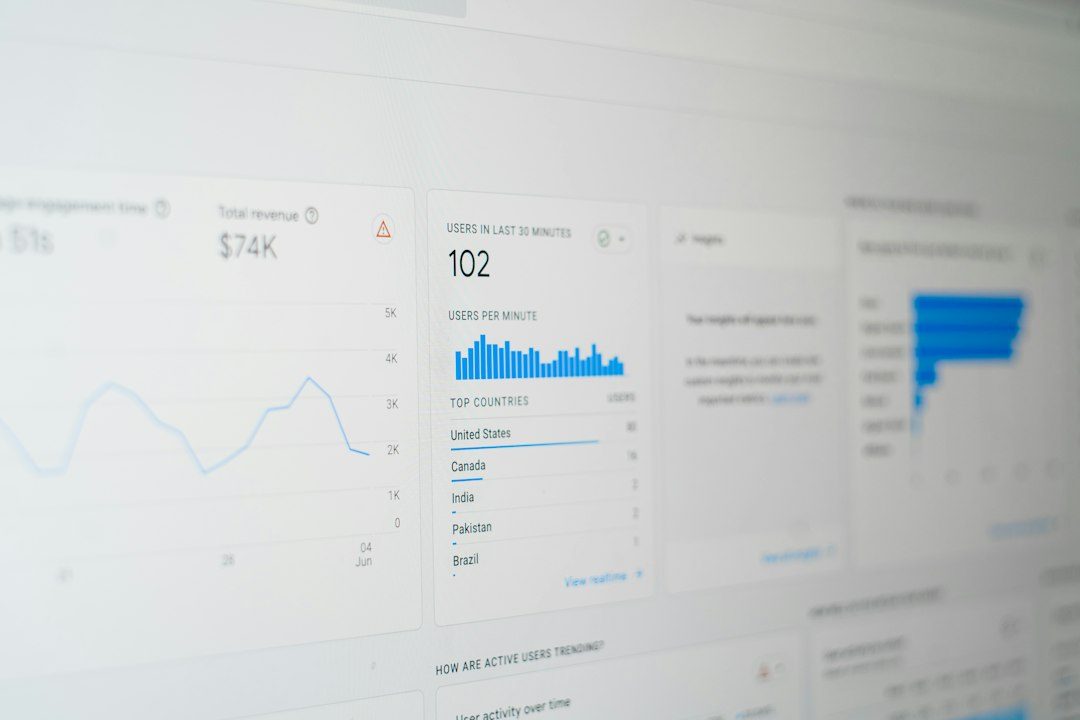
Open rates are useful, but they do not pay bills. Focus on metrics tied to buying behavior.
- Cart recovery rate: The percentage of abandoned carts that turn into orders.
- Click-through rate: The percentage of recipients who click back to the cart.
- Revenue per email: The money earned from each sent message.
- Coupon dependency: The share of recovered orders that required a discount.
- Unsubscribe rate: A warning sign if frequency or tone feels aggressive.
A healthy sequence might recover 5% to 12% of abandoned carts, depending on price, traffic quality, product type, and checkout experience. If your recovery rate is lower, inspect the basics first. Are emails sending quickly? Is the cart restored properly? Are shipping costs surprising people at the last step?
A simple abandoned cart sequence you can copy
- 45 minutes after abandonment: Send a reminder with product image, saved cart, and one button.
- 18 hours later: Send reviews, return policy, shipping details, and customer support contact.
- 42 hours later: Send urgency with a real deadline, low-stock note, or modest incentive.
Keep testing small changes. Try a shorter subject line. Move reviews higher. Replace a discount with free shipping. Test plain text against designed layouts. Small changes can add up fast when cart volume is high.
The best abandoned cart emails feel useful, timely, and easy to act on. They remind without nagging. They answer doubts without rambling. Most of all, they bring the shopper back to the exact cart they already wanted.