


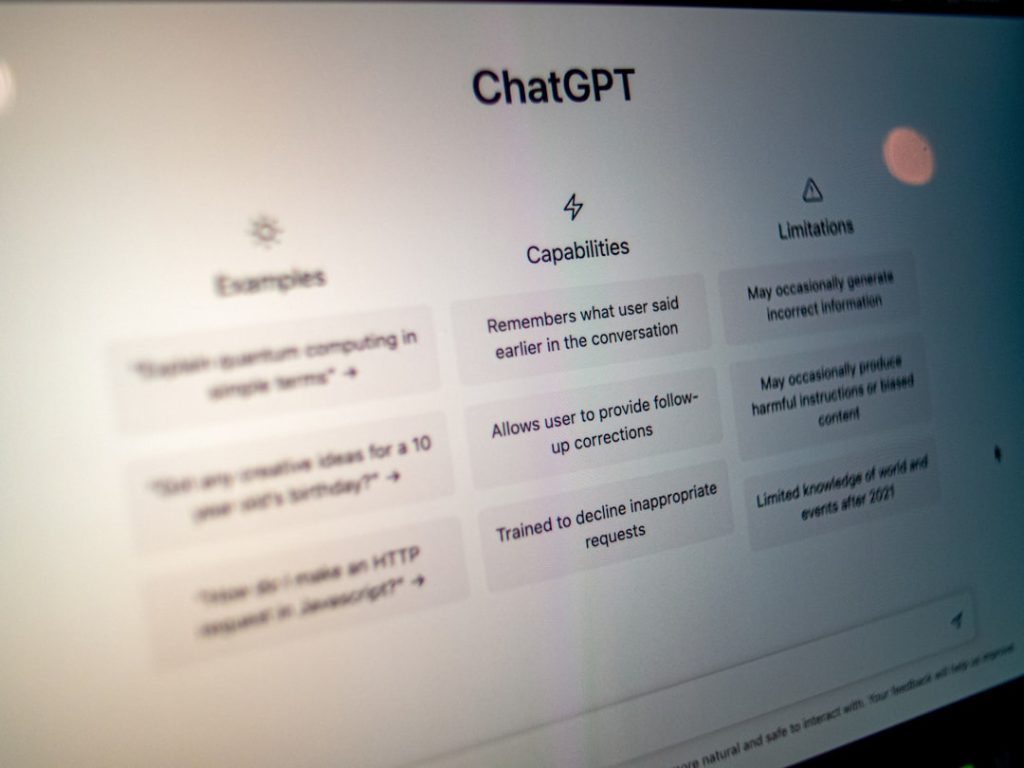
The best AI brand visibility tools are the ones that show where a brand appears, how often it is mentioned, and what large language models say about it. That matters because ChatGPT was reported to have 100 million weekly active users, which turned AI answers into a real discovery channel for buyers [source: Reuters].
TLDR: Brands should track LLM mentions the same way they track Google rankings. Tools like Profound, Scrunch AI, and Otterly.AI help teams see if ChatGPT, Perplexity, Gemini, or AI Overviews mention them. For example, a SaaS company could test 200 buyer prompts and find that it appears in only 18% of answers, while a competitor appears in 46%. That gap gives the team a clear content and PR plan instead of guesswork.

Why AI brand visibility now matters
Search is no longer just ten blue links. Buyers now ask tools like ChatGPT, Perplexity, Claude, and Gemini for shortlists, product comparisons, and advice. If a brand is missing from those answers, it may be missing from the buyer’s first draft of options.
The catch is that LLM visibility is messy. The same prompt can return different answers. A brand may be praised in one answer and ignored in the next. That is why teams need repeatable tracking, not one-off prompt checks done by a bored intern on Friday afternoon.
7 platforms for tracking and improving LLM mentions
1. Profound
Profound is one of the strongest options for companies that want serious AI visibility tracking. It monitors brand mentions, share of voice, citations, and topic coverage across AI answer engines.
It works well for larger marketing teams, agencies, and companies in crowded markets. Teams can compare prompts by category, region, intent, and competitor set. That helps show where a brand is winning and where it is invisible.
Best for: enterprise teams, AI search reporting, competitor audits.
2. Scrunch AI
Scrunch AI focuses on how AI models understand a brand. It helps teams test brand positioning, monitor AI answers, and spot weak or wrong descriptions.
This is useful when an LLM gives outdated details, mixes up products, or describes a company in a way that makes the sales team wince. Honestly, it feels like every brand finds at least one painful AI summary once it starts checking.
Best for: brand messaging, AI answer audits, reputation checks.
3. Otterly.AI
Otterly.AI tracks visibility in AI search tools such as ChatGPT, Perplexity, and Google AI Overviews. It gives teams a simple way to monitor prompts, citations, rankings, and competitor mentions.
Its main appeal is ease of use. Smaller teams can start with a prompt list, run checks, and see which sources AI systems cite. That makes it practical for SEO teams that already understand keyword tracking but need a version built for AI answers.
Best for: small teams, SEO teams, fast AI visibility checks.


4. Peec AI
Peec AI is built for AI search analytics. It tracks how often brands show up in AI-generated answers and how they compare with rivals. It also helps teams understand which sources may influence those answers.
The tool is a good fit for companies that want clean dashboards and quick reporting. It can help answer simple but painful questions: Does the category leader appear more often? Is the brand cited at all? Are review sites, blogs, or help pages shaping the answer?
Best for: share of voice tracking, prompt monitoring, executive reporting.
5. BrandRank.AI
BrandRank.AI focuses on how brands appear across generative AI systems. It can help teams see brand rankings, sentiment, and gaps in AI recommendations.
This type of tool is useful for companies that care about being listed in “best of” style AI answers. A brand may rank well in Google but still fail to appear when a buyer asks, “What are the best tools for X?” That gap can hurt pipeline.
Best for: AI brand audits, recommendation tracking, category visibility.
6. Evertune
Evertune helps brands understand how AI platforms describe them and their competitors. It is often framed around brand intelligence and AI discoverability.
It can be useful for teams that want to connect AI visibility with messaging and market perception. If AI answers keep calling a premium brand “budget-friendly,” that may sound nice at first. Then sales hears it and groans.
Best for: brand teams, market research, perception tracking.
7. AthenaHQ
AthenaHQ tracks visibility across AI search and answer engines. It helps companies monitor prompts, mentions, citations, and competitors in one place.
Its value is in turning random AI checks into a steady process. Teams can build prompt groups around buyer intent, product use cases, pain points, and comparison terms. Over time, that shows whether content updates and PR wins are improving AI visibility.
Best for: repeatable tracking, prompt groups, AI search improvement.
How teams should choose a tool
- For enterprise reporting: Profound is a strong first pick.
- For brand accuracy: Scrunch AI or Evertune may fit better.
- For SEO-style tracking: Otterly.AI and Peec AI are practical options.
- For category rankings: BrandRank.AI can help show who gets recommended.
- For ongoing prompt monitoring: AthenaHQ is worth reviewing.
Expect to waste time on prompt setup if the team has no buyer journey map. A weak prompt list gives weak data. Good prompts should match real buyer questions, such as “best CRM for a 20-person agency” or “top payroll software for remote teams.”
What improves LLM mentions?
Tracking alone is not enough. Brands also need clear pages, strong third-party mentions, helpful comparisons, fresh product details, and consistent wording across trusted sites. AI systems often pull from public content, reviews, articles, documentation, and high-authority pages.
The goal is simple. Make the brand easy to understand, easy to cite, and hard to confuse with a competitor.

FAQ
What is AI brand visibility optimization?
It is the process of tracking and improving how often a brand appears in AI-generated answers from tools like ChatGPT, Gemini, Perplexity, and AI Overviews.
How is it different from SEO?
SEO focuses on ranking web pages in search results. AI visibility focuses on whether AI systems mention, recommend, or cite a brand inside generated answers.
Which tool is best for beginners?
Otterly.AI and Peec AI are good starting points for many smaller teams because they are easier to set up and understand.
Can brands control what LLMs say?
No brand can fully control AI answers. But teams can improve the odds by publishing clear content, earning trusted mentions, correcting outdated pages, and tracking changes over time.
How often should LLM mentions be checked?
Most teams should check core prompts weekly or monthly. Fast-moving markets may need weekly tracking, especially when competitors launch new content or campaigns.