


Pattern matching sits at the heart of modern software. From search engines and cybersecurity tools to bioinformatics and AI pipelines, developers constantly depend on fast and reliable ways to locate patterns in vast streams of data. In 2026, with exploding datasets and real‑time processing demands, choosing the right pattern matching algorithm can dramatically influence both performance and scalability.
TLDR: Pattern matching in 2026 is faster, smarter, and more specialized than ever. Algorithms like KMP, Boyer–Moore, and Aho–Corasick remain foundational, while Rabin–Karp and modern SIMD/GPU-accelerated approaches power large-scale systems. Developers must choose based on use case: single pattern vs multiple patterns, offline vs streaming, exact vs approximate matching. The best solutions often combine classical algorithms with hardware acceleration and parallel processing.
Why Pattern Matching Still Matters
Despite advances in AI and machine learning, classical pattern matching algorithms are far from obsolete. They are:
- Deterministic and predictable — no training required.
- Highly optimized for performance-critical systems.
- Memory efficient compared to many ML-based approaches.
- Essential building blocks in compilers, databases, and network tools.
Whether you’re parsing logs, building intrusion detection systems, or designing DNA analysis software, understanding these algorithms gives you a measurable advantage.
1. Knuth–Morris–Pratt (KMP)
The Knuth–Morris–Pratt algorithm remains one of the most elegant solutions for single-pattern string matching. Its brilliance lies in avoiding redundant comparisons by precomputing a prefix table (also known as the LPS array — Longest Prefix which is also Suffix).


Why Developers Still Use KMP in 2026
- Time complexity: O(n + m)
- No backtracking on the input string
- Excellent for real-time streaming systems
- Predictable worst-case performance
KMP is particularly useful when building systems where consistent timing matters — such as embedded systems or financial transaction monitors.
When to use it: If you’re matching a single known pattern against large text streams with strict performance guarantees, KMP remains a rock-solid choice.
2. Boyer–Moore
If KMP is elegant, Boyer–Moore is aggressively efficient in practice. Instead of scanning left to right like KMP, Boyer–Moore compares characters from right to left and can skip large portions of text using its bad-character and good-suffix heuristics.
Advantages
- Sublinear average-case performance
- Exceptional performance on natural language text
- Works extremely well for long patterns
On large documents, Boyer–Moore often outperforms KMP in real-world benchmarks — especially in text editors, search tools, and document processing systems.
Best for: Text searching tools, IDE search functionality, and document indexing systems.
3. Rabin–Karp
The Rabin–Karp algorithm takes a different approach by using hashing. Instead of comparing strings directly, it compares hash values, making it powerful for matching multiple patterns simultaneously.
Why It’s Relevant in 2026
- Efficient multi-pattern matching
- Simple rolling hash implementation
- Easy to adapt for plagiarism detection
- Useful in blockchain data verification systems
With large-scale distributed systems, rolling hashes are especially helpful when chunk-based data comparison is required.
Downside: Hash collisions can degrade worst-case performance to O(nm), although high-quality hash functions significantly mitigate this risk.
4. Aho–Corasick
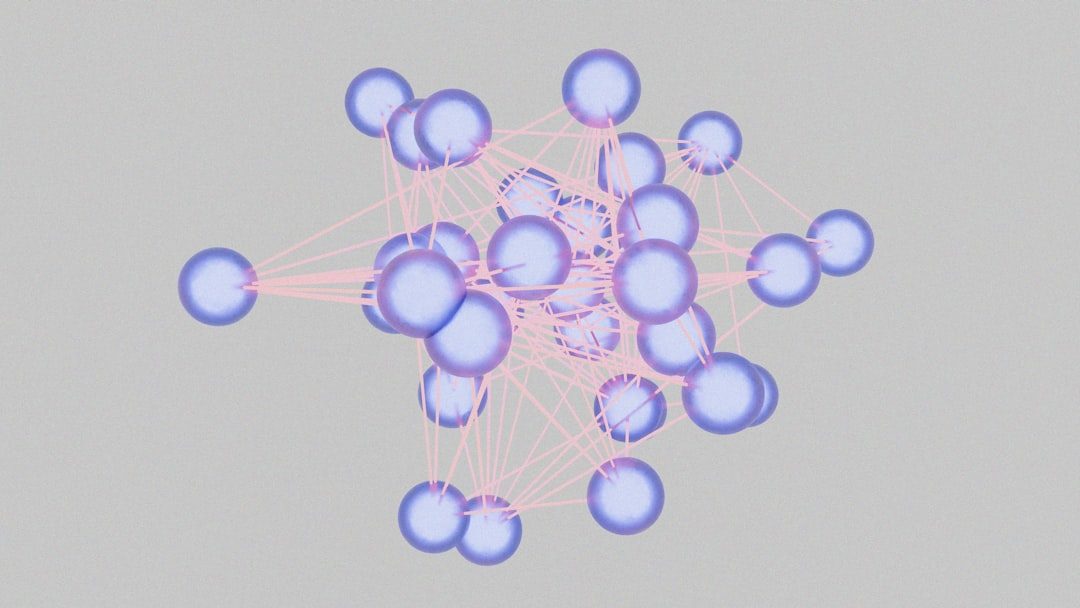
When multiple patterns need matching simultaneously, Aho–Corasick dominates. It constructs a trie with failure links, allowing all patterns to be matched in a single pass through the text.
Where It Excels
- Intrusion detection systems
- Spam filters
- DNA sequencing
- Keyword filtering engines
Time complexity: O(n + m + z)
(Where n = text length, m = total pattern length, z = number of matches)
Aho–Corasick is widely used in cybersecurity tools because it can match thousands of threat signatures in real time without rescanning data.
5. Bitap (Shift-Or) Algorithm
The Bitap algorithm, also known as Shift-Or or Shift-And, leverages bitwise operations for fast approximate matching. It’s especially powerful for shorter patterns and supports fuzzy matching.
Why It’s Powerful
- Supports approximate matching
- Extremely fast for small patterns
- Efficient with modern CPU architectures
With search tools increasingly requiring typo tolerance, Bitap variants are commonly integrated into search suggestion engines and mobile apps.
Best for: Autocomplete systems and approximate string search.
6. SIMD-Accelerated Pattern Matching
Modern CPUs support SIMD (Single Instruction, Multiple Data) instructions, which allow multiple characters to be processed in parallel. Libraries in 2026 heavily leverage SSE, AVX-512, and ARM Neon instructions for massive speed improvements.

Why SIMD Is a Game-Changer
- Compares 16–64 bytes simultaneously
- Dramatic speed gains in log analysis
- Used in high-performance databases
Many production-grade libraries combine Boyer–Moore or KMP logic with SIMD primitives for hybrid performance models.
If raw speed is your goal — especially in cloud infrastructure — SIMD-aware implementations are critical.
7. GPU-Accelerated Pattern Matching
In big data environments, GPUs are increasingly used for large-scale pattern matching. Thousands of threads operate concurrently, scanning chunks of text in parallel.
Where GPUs Shine
- Genomic data analysis
- Large-scale log mining
- Cybersecurity monitoring
Developers working with terabytes of data benefit from CUDA- or OpenCL-based pattern search implementations.
Tradeoff: Data transfer overhead between CPU and GPU must be managed carefully.
8. Approximate String Matching (Fuzzy Matching)
Exact matches are not always enough. In 2026, fuzzy matching algorithms like Levenshtein Distance and Damerau–Levenshtein are widely combined with indexing techniques for near-match detection.
Applications
- Search engines
- Spell checkers
- DNA mutation detection
- OCR correction systems
Optimized dynamic programming methods and bit-parallel techniques have significantly improved their performance compared to earlier decades.
How to Choose the Right Algorithm
Selecting the right algorithm depends on several factors:
- Single or multiple patterns?
- Single: KMP or Boyer–Moore
- Multiple: Aho–Corasick
- Exact or approximate?
- Exact: KMP, Boyer–Moore
- Approximate: Bitap or Levenshtein-based methods
- Massive datasets?
- SIMD or GPU implementations
- Streaming or static text?
- Streaming: KMP or Aho–Corasick
The 2026 Trend: Hybrid Architectures
Modern systems rarely rely on a single algorithm. Instead, they combine:
- Aho–Corasick for signature scanning
- SIMD intrinsics for acceleration
- GPU offloading for bulk workloads
- Hash-based filtering before exact verification
This hybrid approach ensures scalability while preserving accuracy.
Final Thoughts
Pattern matching in 2026 is a powerful fusion of classic computer science theory and modern hardware acceleration. While foundational algorithms like KMP and Boyer–Moore remain essential knowledge for developers, advanced implementations leverage CPU vectorization and GPUs to tackle data at unprecedented scales.
The real advantage lies not just in knowing these algorithms, but in understanding when and how to combine them. As data volumes continue to grow and real-time processing becomes the norm, efficient pattern matching will remain one of the most valuable skills in a developer’s toolkit.
Master the fundamentals, optimize with modern hardware, and choose strategically. That is the formula for high-performance pattern matching in 2026.