


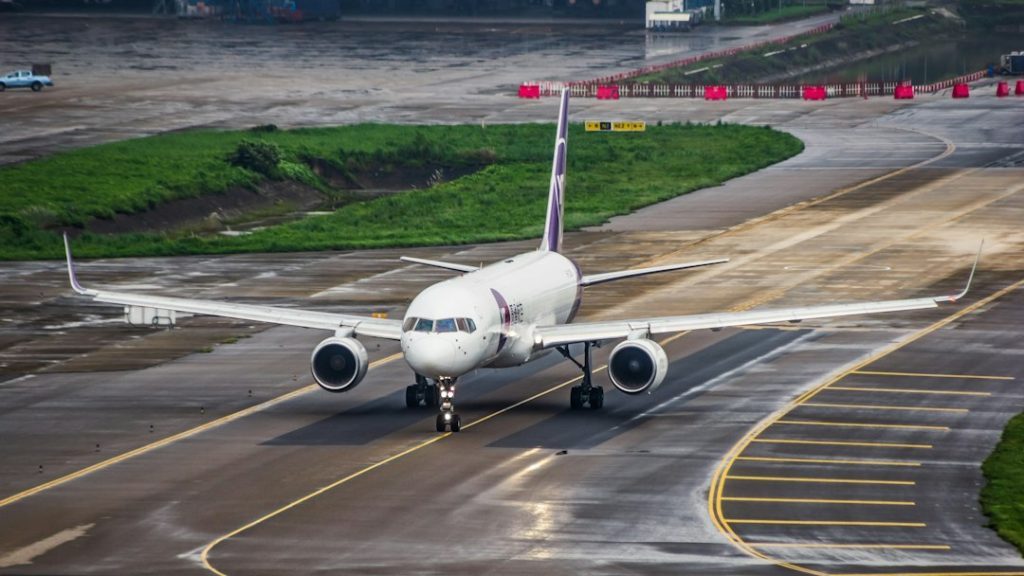
Airbus is Boeing’s biggest rival, and right now Airbus has the cleaner commercial aircraft story. Boeing still has huge strengths. It has deep defense contracts, a giant service business, and the 787 Dreamliner. But Airbus has been winning the delivery race, especially in narrowbody jets.
TLDR
Boeing vs Airbus is mostly a fight over trust, delivery speed, fuel savings, and aircraft availability. In 2024, Airbus delivered 766 commercial aircraft, while Boeing delivered 348. For example, if an airline needs 50 new single aisle jets by 2030, Airbus may look safer because its A320neo family has strong demand and a huge backlog. Boeing can still win if it fixes production issues and keeps customers confident in the 737 MAX and 787.

The simple version: two giants, one crowded sky
Boeing and Airbus are the Coca Cola and Pepsi of big passenger planes. Airlines often pick one, then stick with it for years. Why? Training pilots costs money. Spare parts cost money. Maintenance systems cost money. Switching fleets is painful.
That is why this rivalry matters so much. One aircraft order can be worth billions. One safety issue can scare customers. One late delivery can mess up an airline’s entire route plan. Honestly, it feels like airlines spend half their time waiting for aircraft that were supposed to arrive “soon.”
Where Boeing still looks strong
Boeing is not just “the 737 company.” It has several cards to play.
- Defense: Boeing builds military aircraft, tankers, helicopters, satellites, and weapons systems.
- Widebody jets: The 787 Dreamliner is popular for long routes.
- Services: Boeing makes money from parts, repairs, software, and support.
- U.S. relationships: Boeing has strong ties with American airlines and the U.S. government.
The 787 is a key star. Airlines like it because it is efficient and flexible. It can fly long routes without needing the biggest passenger demand. That helps airlines open city pairs like Boston to Tokyo or Perth to London.
Boeing also has massive experience. It knows how to build complex aircraft. It knows airline needs. It has survived crises before. That matters. But experience does not pay the bills if planes are late or grounded.
Where Airbus has the edge
Airbus has been winning the commercial delivery race. Its biggest weapon is the A320neo family. This includes the A319neo, A320neo, and A321neo. The A321neo is especially painful for Boeing. It sits in a sweet spot. It carries lots of passengers. It flies far. It burns less fuel than older jets.
The A321XLR adds more drama. It can fly thinner long routes that used to need larger widebody aircraft. That gives airlines more freedom. A carrier can test a route with less risk. That is a big deal.
Airbus also has the A350. It competes with Boeing’s 787 and 777X. The A350 is efficient, modern, and popular on long haul routes. Boeing’s 777X could be a monster when fully in service, but delays have hurt its momentum.
Head to head: Boeing vs Airbus
| Category | Boeing | Airbus |
|---|---|---|
| Narrowbody jets | 737 MAX family | A320neo family |
| Long haul jets | 787, 777X | A330neo, A350 |
| 2024 deliveries | 348 commercial aircraft | 766 commercial aircraft |
| Main issue | Quality control and production trust | Backlog and supply chain pressure |
| Best strength | Defense, services, 787 | A320neo, A321neo, A350 |


The narrowbody fight: where most money is made
Single aisle jets are the main battlefield. These planes fly short and medium routes. Think New York to Miami. London to Madrid. Singapore to Bangkok. They are the workhorses.
Boeing has the 737 MAX. Airbus has the A320neo family. Both are fuel efficient. Both are packed with orders. Both help airlines cut fuel costs compared with older jets.
But Airbus has a major advantage with the A321neo. Boeing does not have a perfect answer. The 737 MAX 10 is meant to compete, but it has faced certification delays. That gap matters. Airlines want more seats and longer range. Airbus is giving them that now.
The catch is that Airbus is also overloaded. Its backlog is huge. Waiting years for delivery can make airline planners grumpy. A great plane is less useful if it arrives too late.
The widebody fight: long routes and big prestige
Widebody jets are bigger. They fly oceans. They carry more cargo. They also shape an airline’s brand. A shiny long haul cabin can help sell premium tickets.
Boeing’s 787 is a strong player. It gave airlines a new way to run long routes with smaller jets. The 777X, if delivered smoothly, could help Boeing defend the larger widebody market.
Airbus counters with the A350. It is efficient and well liked by long haul carriers. It competes hard with the 787 and 777 families. The A330neo is cheaper and useful, though not as hot as the A350.
Safety and trust: the part nobody can ignore
Boeing’s biggest problem is not demand. Airlines still want planes. The bigger issue is trust. The 737 MAX crisis damaged the brand. Later quality problems kept the pressure on. When a door plug incident makes headlines, airline executives do not shrug. Passengers notice too.
Airbus has had issues as well. No aircraft maker is perfect. But Airbus has not faced the same level of public pressure in recent years. That gives it a cleaner sales pitch.
Other Boeing competitors worth watching
Airbus is the main rival, but not the only one.
- Embraer: Strong in regional jets. Its E2 family is efficient and popular with smaller routes.
- COMAC: China’s C919 targets the single aisle market. It is still early, but China can support it at home.
- Lockheed Martin: A major competitor in defense, especially fighter jets and military systems.
- Northrop Grumman: Strong in defense aircraft, space, and advanced systems.
- SpaceX: A serious rival in space launch and satellite work.
COMAC is the most interesting long term commercial threat. It will not crush Boeing or Airbus overnight. Building global support, maintenance, certification, and trust takes ages. Still, China’s home market is huge. That gives COMAC room to grow.

What airlines care about most
Airlines do not buy planes because they look cool. Well, not only that. They care about numbers.
- Fuel burn: Fuel is one of the biggest airline costs.
- Range: More range means more route options.
- Seats: More seats can mean more revenue.
- Delivery slots: A plane in 2028 beats a plane in 2032.
- Reliability: Aircraft on the ground make zero money.
- Training: Common cockpits can reduce pilot costs.
Here is a simple case. Say an airline runs 80 older jets. It wants to cut fuel burn by 15%. It also wants 20 extra seats on busy routes. Airbus may pitch the A321neo. Boeing may pitch the 737 MAX 10. The airline then asks one brutal question: Who can deliver on time with fewer headaches?
Who is winning?
Airbus is ahead in commercial aircraft right now. Its delivery lead is clear. Its A321neo is a killer product. Its backlog is massive.
Boeing is still dangerous. It has scale, talent, defense revenue, and loyal customers. If Boeing improves quality and speeds production, the race gets much tighter. Airlines want two strong suppliers. Nobody wants Airbus to be the only game in town.
The final score is simple. Airbus has the edge in passenger jet momentum. Boeing has the tools to come back. But it must fix trust first. In aerospace, reputation flies before the aircraft does.