


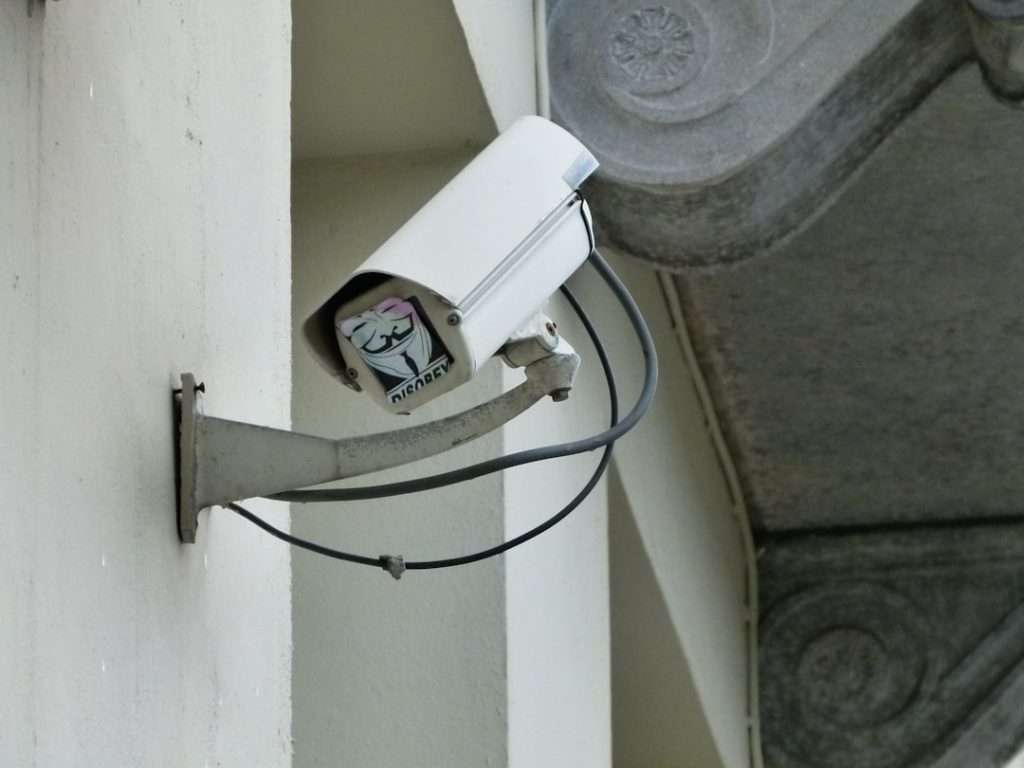
CCTV means closed-circuit television, a video system that sends camera footage to selected monitors or recorders instead of broadcasting it publicly. It is used to watch, record, and review activity in places such as homes, shops, offices, schools, warehouses, streets, and transport hubs.
TLDR: CCTV systems use cameras, recording devices, monitors, and network connections to help people see what is happening in a controlled area. A small retail store, for example, might install four cameras near the entrance, checkout, stockroom, and parking area, then reduce theft incidents by 20% to 40% after staff can review footage. The system does not “stop” every problem by itself, but it creates visibility, evidence, and faster response. Modern CCTV can also include motion alerts, night vision, remote viewing, and video analytics.
What CCTV Means
CCTV stands for closed-circuit television. The phrase “closed-circuit” means the video feed is limited to a private system. Unlike broadcast television, the footage is not sent to the public. It goes only to approved screens, storage devices, security rooms, or mobile apps.
In simple terms, CCTV is a controlled video monitoring setup. A camera captures footage. The signal travels through cables or a network. A recorder stores it. A monitor, phone, tablet, or computer shows it.
The catch is that many people think CCTV is just “a camera on a wall.” That misses half the point. The real value comes from the full system: camera placement, recording quality, storage time, alerts, permissions, and how quickly footage can be found when something goes wrong.

What a CCTV System Does
A CCTV system performs several key jobs. Some are obvious. Others matter only after an incident happens, which is usually when weak systems become painfully clear.
- Live monitoring: Security staff or property owners can watch activity as it happens.
- Video recording: Footage is stored for later review, often for 7, 14, 30, or 90 days.
- Evidence collection: Recorded clips can support insurance claims, police reports, or internal investigations.
- Deterrence: Visible cameras may discourage theft, vandalism, trespassing, and unsafe behavior.
- Remote access: Many systems allow approved users to view cameras through secure apps.
- Alerts and analytics: Some systems can detect motion, people, vehicles, line crossing, or loitering.
Honestly, it feels like some low-cost systems are built to make footage retrieval harder than it should be. A manager may spend 15 minutes scrubbing through blurry video just to find a 10-second clip. Better systems use clear timelines, search filters, thumbnails, and event markers to cut that work down fast.
Main Parts of a CCTV System
Most CCTV systems include a few core parts. The exact setup can be small and simple or large and complex.
- Cameras: These capture video. Common types include dome cameras, bullet cameras, turret cameras, PTZ cameras, and discreet indoor cameras.
- Lenses: Lenses affect field of view and detail. A wide lens sees more area. A narrow lens captures more detail at distance.
- Recorder: DVRs are usually used with analog cameras. NVRs are used with IP cameras.
- Storage: Hard drives or cloud storage keep recorded video for a set period.
- Monitors: Screens show live or saved footage.
- Network equipment: Routers, switches, and cables connect IP cameras and recorders.
- Power supply: Cameras need power through adapters, coaxial cable, or PoE network cables.
Image quality is measured in resolution, such as 1080p, 2K, 4MP, 5MP, or 4K. Higher resolution helps capture faces, license plates, and small actions. But it also uses more storage. A 4K camera can use several times more space than a standard 1080p camera, especially if it records all day.
Common Types of CCTV
Analog CCTV sends video through coaxial cables to a DVR. It is often cheaper and works well for basic monitoring. Many older buildings still use it.
IP CCTV uses digital cameras that send video over a computer network. These systems usually provide sharper images, easier expansion, remote access, and smarter features.
Wireless CCTV sends video over Wi-Fi, though most cameras still need power. It can be useful where cables are hard to run. Poor Wi-Fi can cause lag, dropouts, or missing footage, which is exactly the kind of problem nobody wants during an incident.
Cloud CCTV stores video online. It can reduce local hardware needs, but monthly fees and internet reliability matter. Some sites use hybrid storage, with local recording plus cloud backup for major events.

Where CCTV Is Used
CCTV is used almost anywhere that safety, security, or process control matters.
- Homes: Cameras cover doors, driveways, garages, gardens, and shared entrances.
- Retail stores: CCTV helps monitor shoplifting, checkout disputes, stockrooms, and staff-only areas.
- Offices: Systems protect entrances, server rooms, reception areas, and parking lots.
- Schools: Cameras support campus safety, visitor control, and incident review.
- Warehouses: CCTV monitors loading docks, inventory aisles, machinery zones, and delivery areas.
- Hospitals: Cameras assist with access control, patient safety in public areas, and asset protection.
- Public transport: Stations, buses, trains, and platforms use CCTV for crowd safety and incident evidence.
- Roads and car parks: Cameras help with traffic flow, parking disputes, vandalism, and vehicle identification.
In business settings, CCTV often supports more than security. A warehouse manager may review footage to see why orders are delayed. A restaurant owner may check whether queues build at certain hours. A school may use recordings to clarify what happened during a playground dispute.
Benefits of CCTV
The main benefit is visibility. CCTV gives a record of events that might otherwise rely on memory, guesswork, or conflicting stories.
- Faster response: Staff can react sooner when suspicious activity appears.
- Reduced losses: Visible cameras can help reduce theft and damage.
- Better accountability: Footage can confirm whether procedures were followed.
- Safer sites: Cameras can support emergency response and hazard review.
- Useful records: Video logs can help settle disputes and support claims.
Still, CCTV is not magic. Bad lighting, poor angles, dirty lenses, weak passwords, and low storage capacity can make a system far less useful. A camera pointed too high may capture hats instead of faces. A camera placed at a bright doorway may show silhouettes instead of clear features.
Privacy and Legal Considerations
CCTV should be used with care. Laws vary by country, state, and city, but common rules often cover notice signs, audio recording, workplace monitoring, data protection, and who can view footage.
Private areas such as bathrooms, changing rooms, and similar spaces should not be monitored. Audio recording can carry stricter rules than video. Businesses often need clear policies that explain why cameras are used, how long footage is kept, and who can access it.
Good CCTV balances safety with privacy. The goal is to watch necessary areas, not to intrude on personal space.
How CCTV Helps in Real Cases
Consider a small apartment building with repeated package theft. The property manager installs cameras at the lobby entrance, mail area, elevator, and side door. After 30 days, footage shows that most thefts happen between 2 p.m. and 5 p.m., shortly after deliveries arrive. The manager adjusts delivery storage rules and adds a locked parcel cabinet. The result is a clear drop in complaints and fewer lost packages.
This is where CCTV works best. It shows patterns, not just single events. With enough clear footage, managers can make better decisions instead of guessing.
Image not found in postmetaFAQ
What does CCTV stand for?
CCTV stands for closed-circuit television. It is a private video system that sends footage to selected monitors, recorders, or apps.
Is CCTV the same as a security camera?
Not exactly. A security camera is one part of a CCTV system. The full system may include cameras, recorders, storage, monitors, cables, software, and access controls.
Can CCTV record all the time?
Yes. Many systems record continuously. Others record only when motion is detected. Continuous recording gives a fuller record, but it uses more storage.
How long does CCTV footage last?
Common storage periods range from 7 to 30 days. Larger systems may store footage for 60 or 90 days. The limit depends on storage size, camera resolution, frame rate, and recording settings.
Does CCTV work without the internet?
Yes. Local CCTV can record without internet if cameras and recorders are connected on-site. Internet is usually needed for remote viewing, cloud backup, and mobile alerts.
Can CCTV be used at home?
Yes. Home CCTV is common for front doors, driveways, garages, and gardens. The system should avoid recording private areas belonging to neighbors.
What is the best CCTV type?
There is no single best type for every site. IP systems suit users who need high resolution and remote features. Analog systems may suit basic monitoring with lower upfront cost.