


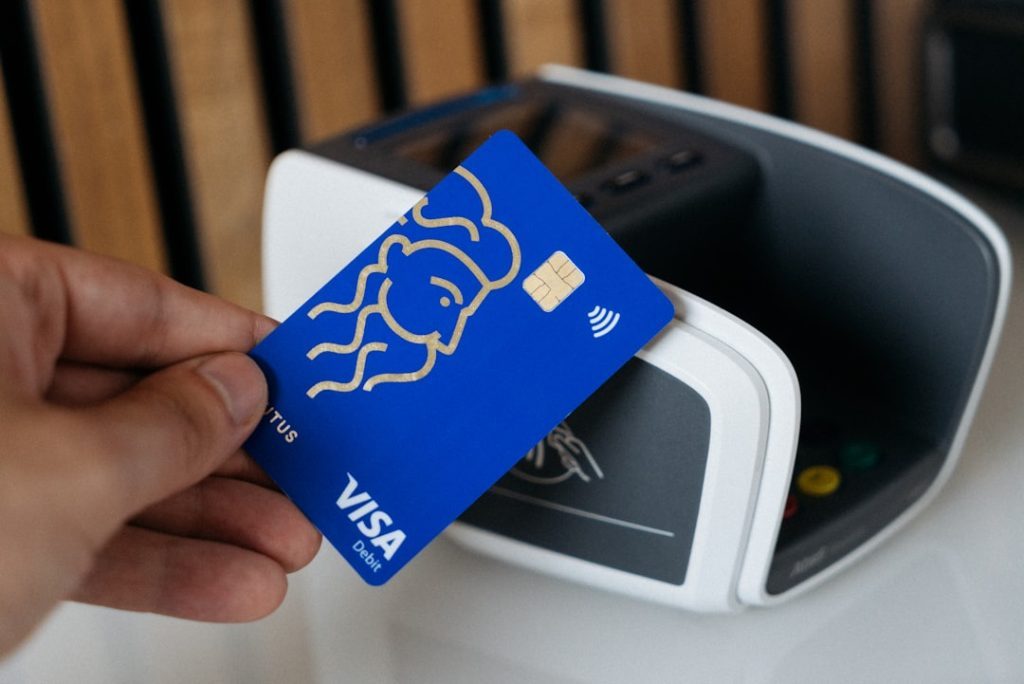
Credit cards feel a bit like magic. You type in a long string of numbers. You press pay. The order goes through. But have you ever wondered how systems know if a credit card number is even valid before charging it? That’s where something called the Luhn Algorithm comes in. It’s simple. It’s clever. And it’s everywhere.
TLDR: Most credit cards use the Luhn Algorithm to check if a number is valid in terms of structure. It does not check if the account has money or is active. It only checks if the number follows a specific mathematical pattern. Almost all major card networks rely on it, but it is just the first step in validation.
Let’s break it down in a fun and simple way.
What Is the Luhn Algorithm?
The Luhn Algorithm is a small math formula. It was created in the 1950s by IBM scientist Hans Peter Luhn. Its job is simple. It checks whether a card number is formatted correctly.
Think of it like a spell checker. It does not know what the word means. It just knows if the letters are arranged properly.
Credit card numbers are not random. They follow a pattern. The Luhn Algorithm makes sure that pattern is correct.
Image not found in postmeta
What Does the Algorithm Actually Do?
Don’t worry. There’s no scary math here.
Here’s the simple version:
- Start from the rightmost digit.
- Double every second digit moving left.
- If doubling makes the number bigger than 9, subtract 9 from it.
- Add all the digits together.
- If the total ends in 0, the number is valid.
That’s it.
It sounds strange. But it works very well at spotting typing mistakes.
Why Do Credit Cards Need This?
Imagine online shopping without any quick number check. A single typo would travel through the entire banking system before being rejected. That would slow everything down.
The Luhn check happens instantly. Before the payment processor even contacts the bank.
It helps catch:
- Simple typos
- Swapped digits (like typing 54 instead of 45)
- Accidental wrong numbers
It saves time. It reduces system load. And it improves user experience.
Do All Credit Cards Use the Luhn Algorithm?
Short answer: Almost all of them do.
Major card networks like:
- Visa
- Mastercard
- American Express
- Discover
All use the Luhn Algorithm to validate card numbers.
If you randomly generate 16 digits without following Luhn rules, the payment form will usually reject it right away.
So yes. Nearly every major credit card provider relies on it.
Are There Any Exceptions?
Most modern credit and debit cards use Luhn. But there are some exceptions in the wider world of identification numbers.
For example:
- Some government ID numbers use different checks.
- Certain gift cards may not use Luhn.
- Older proprietary systems might use custom formulas.
But when it comes to mainstream credit and debit cards used globally? Luhn is the standard.
It’s simple. It works. It has lasted over 70 years.
Does the Luhn Algorithm Prevent Fraud?
This is where many people get confused.
No. The Luhn Algorithm does not prevent fraud.
It does not:
- Check if the card has money
- Verify the cardholder’s identity
- Confirm the account is active
- Stop stolen card use
It only checks structure.
It’s like confirming a phone number has the right number of digits. It doesn’t prove someone will answer.
Fraud prevention happens later through:
- CVV codes
- Expiration date checks
- Address verification
- 3D Secure authentication
- Fraud detection algorithms powered by AI
The Luhn check is just the first gate.
Image not found in postmeta
What Happens After the Luhn Check?
Here’s what typically happens when you enter a card number online:
- The system runs the Luhn check instantly.
- If valid, the payment processor identifies the card network.
- The transaction request goes to the issuing bank.
- The bank checks funds and fraud signals.
- The bank approves or declines.
All of this happens in seconds.
The Luhn part is the fastest step of all.
Why Is It So Popular?
The Luhn Algorithm is popular because it is:
- Fast
- Easy to implement
- Extremely lightweight
- Effective at catching common errors
It requires almost no computing power. Even tiny devices can run it instantly.
That makes it perfect for global systems that process millions of transactions per minute.
Can You Generate a Fake Valid Credit Card Number?
Technically, yes.
You can create a number that passes the Luhn check. But that does not make it a real card.
To be usable, a card number must:
- Match a real issuing bank
- Be linked to an active account
- Have available funds or credit
A random Luhn-valid number will almost always fail at the bank authorization step.
So Luhn does not make fraud easy. It just ensures format accuracy.
Do Debit Cards Use Luhn Too?
Yes.
Debit cards typically follow the same structure as credit cards. They run on major networks like Visa and Mastercard. That means they also use the Luhn check.
From a formatting perspective, debit and credit cards look almost identical.
What About Virtual Cards?
Virtual cards also use the Luhn Algorithm.
Even though they exist only digitally, they still:
- Follow card numbering rules
- Include issuer identification numbers
- End with a Luhn check digit
Digital or plastic. The math stays the same.
How Does the Check Digit Work?
The last digit in a credit card number is special. It is called the check digit.
This digit is calculated using the Luhn formula. It ensures that the total sum ends in zero.
If any earlier digit changes, the check digit will no longer match.
That’s why swapping a single number often breaks validity immediately.
Image not found in postmeta

Is the Luhn Algorithm Secure?
Secure for what purpose?
For detecting accidental errors? Yes.
For stopping criminals? No.
It was never designed to fight hackers. It was designed to reduce human error in data entry.
Modern payment security uses:
- Encryption
- Tokenization
- Machine learning fraud models
- Real time transaction monitoring
The Luhn Algorithm is just one small piece of a much larger security puzzle.
Why Hasn’t It Been Replaced?
Great question.
Technology has changed a lot since 1954. But the Luhn Algorithm remains.
Why?
- It works well.
- It’s already integrated everywhere.
- It costs almost nothing to run.
- There’s no strong reason to replace it.
Sometimes simple solutions survive the longest.
Fun Fact: It’s Used Beyond Credit Cards
The Luhn Algorithm is not limited to credit cards.
It’s also used for:
- IMEI numbers on mobile phones
- Some national identification numbers
- Various government systems
Any system that needs a basic error detection method might use Luhn.
So, Do All Credit Cards Use It?
Let’s answer clearly.
Yes, almost all major credit cards worldwide use the Luhn Algorithm to validate number structure.
If you pull out your wallet right now, every major branded card inside likely passes a Luhn check.
It’s one of the quiet heroes of modern finance.
Final Thoughts
The Luhn Algorithm may sound technical. But it’s actually simple.
It does one job. And it does it well.
It catches typos. It speeds up payment systems. And it works behind the scenes every time you shop online.
But remember this:
Passing the Luhn check does not mean a card is real, funded, or safe to use.
It only means the number makes mathematical sense.
Next time you enter your card details, you’ll know something cool is happening in the background. A tiny piece of 1950s math is quietly checking your numbers in less than a second.
Simple. Smart. Reliable.
And still going strong after more than half a century.