


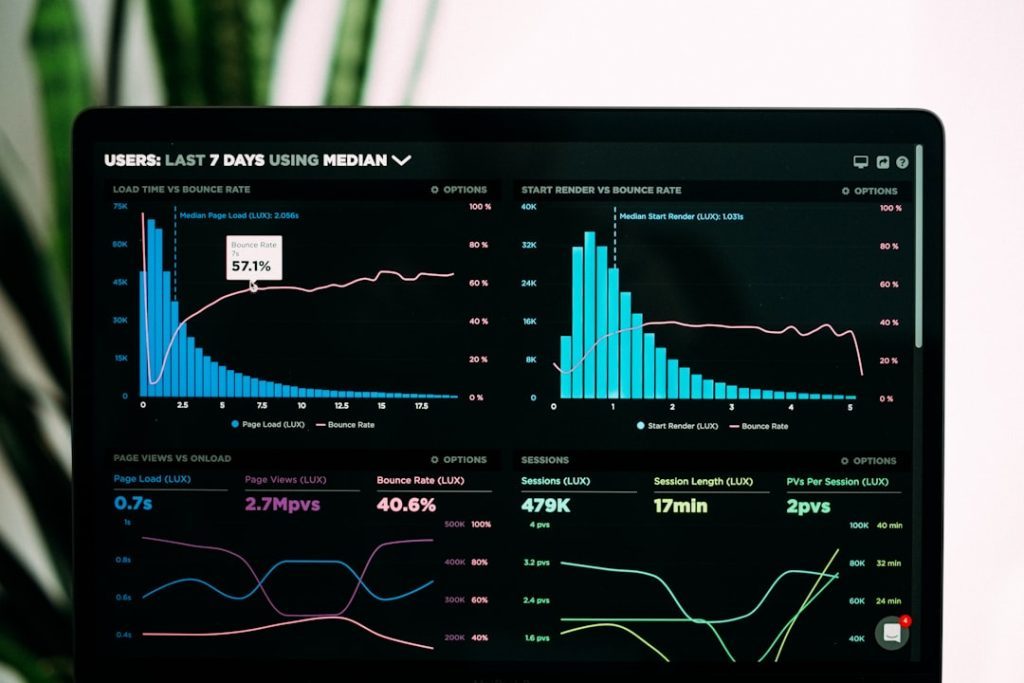
Modern web applications are complex, dynamic systems that must perform seamlessly across devices, browsers, and networks. Yet even with rigorous testing, users still encounter errors that are difficult to reproduce and diagnose. When that happens, development teams are often left guessing. Frontend error replay platforms such as FullStory provide a structured, data-driven way to understand exactly what users experienced, transforming vague bug reports into actionable insight.
TLDR: Frontend error replay platforms record and reconstruct real user sessions, allowing teams to see precisely how issues occur in production environments. Instead of relying solely on logs or screenshots, teams can watch a replay of user activity tied directly to console errors and performance data. This significantly reduces debugging time, improves user experience, and strengthens collaboration between support, product, and engineering. While they require thoughtful privacy controls and governance, their value in diagnosing real-world frontend issues is substantial.
As applications grow more interactive, especially with modern JavaScript frameworks and client-side rendering, traditional error logs are no longer enough. A stack trace may reveal where an error occurred, but not why it happened. User context matters: what they clicked, how quickly they navigated, whether inputs were pasted or typed, and what network conditions existed at the time.
The Challenge of Debugging Frontend Errors
Frontend issues are uniquely difficult to analyze because they occur in unpredictable environments. Each user’s experience is shaped by:
- Browser type and version
- Device hardware and screen size
- Operating system
- Network latency and instability
- Cached resources and extensions
Even with monitoring tools that capture JavaScript exceptions, teams often receive incomplete information. A cryptic error message like “undefined is not a function” rarely provides enough context to identify root cause. Support teams may request screenshots from users, but static images seldom reveal behavior leading up to the failure.
This gap between error detection and true understanding is where session replay platforms deliver measurable impact.
What Frontend Error Replay Platforms Actually Do
Frontend error replay tools capture user interactions and reconstruct them in a visual playback interface. These tools typically record:
- Click events and taps
- Scroll behavior
- Form interactions
- Navigation between views
- JavaScript console errors
- Network request data
- Performance metrics
The result is a synchronized timeline that combines user behavior with technical signals. When an error occurs, engineers can watch the session leading up to it, step through interactions, and inspect associated event logs.

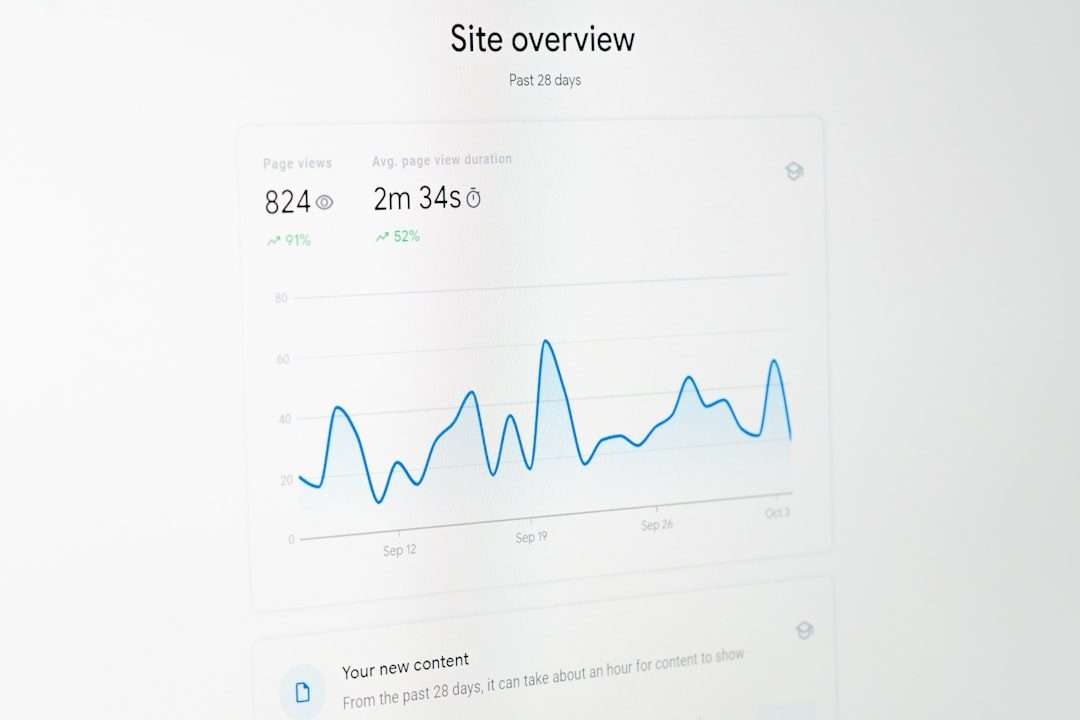
Instead of guessing how a user triggered a bug, teams can observe it unfold in a controlled replay environment.
From Complaints to Clarity
Consider a typical support complaint: “The checkout page froze and I couldn’t complete my order.” Without a recording, teams must rely on log correlation, recreate guesswork scenarios, or attempt to reproduce the issue manually.
With session replay:
- Support can access the user’s session ID.
- Engineering can view the exact error in the timeline.
- The team can confirm whether the issue was caused by a validation error, a failed API call, or a rendering bug.
This process drastically reduces mean time to resolution (MTTR). It also prevents misclassification of issues. Sometimes what appears to be a bug may be a usability gap—confusing UI patterns or unclear feedback states.
Bridging the Gap Between Teams
One of the most practical benefits of platforms like FullStory is improved communication across departments.
Traditionally:
- Customers describe issues vaguely.
- Support translates the issue imperfectly.
- Engineering attempts reproduction.
With error replay:
- Support attaches a session link.
- Product observes behavioral friction.
- Engineering examines technical triggers.
This shared visibility reduces friction and creates a common reference point. Discussions become fact-based instead of speculative.
Beyond Errors: Understanding Friction
Although these platforms are often associated with debugging, their value extends into product optimization. By analyzing replay data, teams can detect:
- Repeated clicks on non-interactive elements
- Form fields that cause user hesitation
- High drop-off flows in onboarding
- Navigation confusion patterns
Such insights reveal usability challenges that may not generate formal error logs but still degrade user experience.

Product teams frequently discover that so-called “bugs” are symptoms of poor affordances or unclear instructions. Session replay enables data-backed design refinements.
Technical Architecture and Data Capture
Under the hood, frontend replay platforms use event-based capture mechanisms rather than traditional video recording. They log DOM mutations, user inputs, and interaction events, which are later reconstructed for playback. This provides several technical benefits:
- Lower storage cost compared to raw video
- Structured, queryable event data
- Precise synchronization with console and network logs
- Improved performance impact versus screen capture approaches
The replay environment simulates what the user saw without storing literal pixel recordings. This approach supports granular inspection, such as reviewing network payload timing alongside the interface response.
Privacy and Compliance Considerations
Collecting detailed session data requires rigorous governance. Trustworthy platforms implement features such as:
- Automatic masking of sensitive inputs
- Configurable DOM element redaction
- PII suppression
- Consent management integrations
- Role-based access controls
Organizations operating in regulated environments—such as healthcare, finance, or education—must evaluate tools against compliance frameworks including GDPR and similar data protection regulations.
When deployed responsibly, replay tooling can remain compliant while still delivering operational value. Governance policies should clearly define:
- Data retention periods
- Access permissions
- Incident response procedures
Quantifying Business Impact
The return on investment for frontend error replay platforms often appears in multiple forms:
- Reduced support tickets: Clear issue identification prevents recurring complaints.
- Faster bug fixes: Engineers spend less time reproducing issues.
- Improved conversion rates: UX friction is identified and addressed.
- Stronger customer trust: Users feel heard when issues are resolved quickly.
In high-volume applications, minutes saved per incident compound significantly over time. Moreover, preventing churn caused by unresolved frontend issues has tangible revenue implications.
Common Misconceptions
Despite their value, some misconceptions persist:
- “We already have error logging tools.” Logging identifies failures but rarely explains the user journey that caused them.
- “Replay tools slow down applications.” Modern solutions are optimized to minimize performance impact when correctly implemented.
- “They are intrusive.” Proper masking and consent policies mitigate privacy risk.
Understanding these distinctions is important when evaluating whether such a platform fits an organization’s technical stack.
Best Practices for Implementation
Adopting a replay platform should not be treated as a simple plug-and-play installation. To maximize benefit, organizations should:
- Define clear debugging workflows.
- Train support teams on session linking.
- Establish masking policies before deployment.
- Integrate alerts with existing monitoring systems.
- Regularly audit data collection configurations.
Successful implementation involves aligning engineering, legal, product, and customer support teams. Transparency about recording practices strengthens internal accountability and external trust.
The Future of Frontend Observability
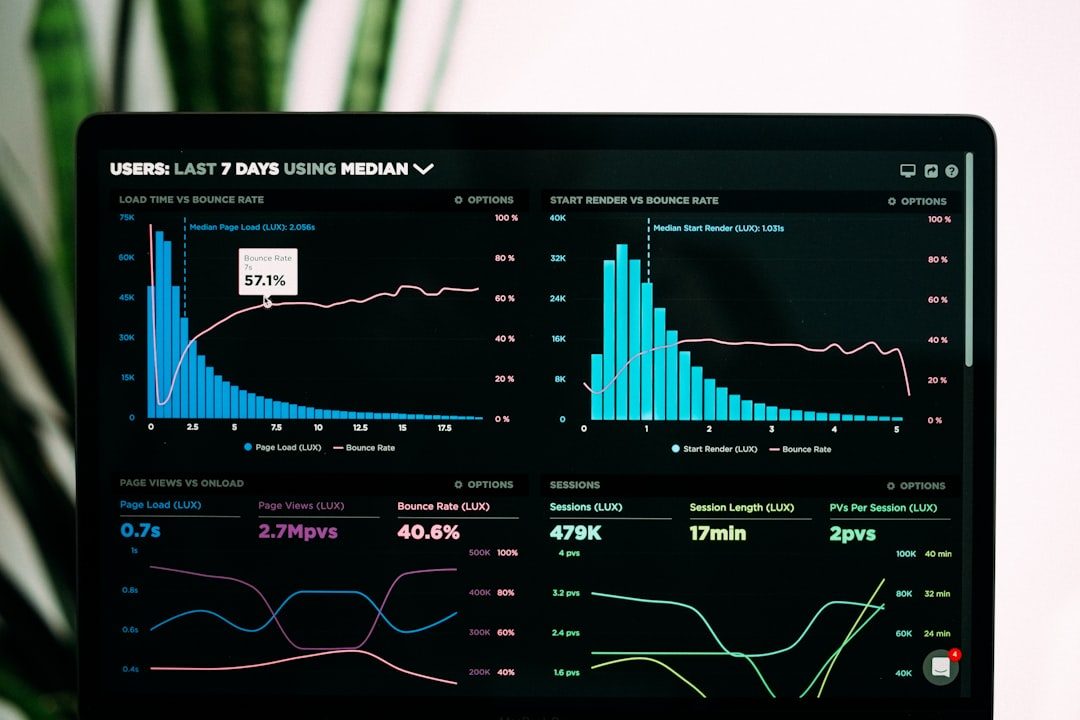
Frontend error replay platforms represent a broader shift toward comprehensive frontend observability. As applications become more interactive and user expectations rise, teams require deeper insight into real-world usage conditions.
Future development is likely to include:
- AI-assisted anomaly detection within sessions
- Automated clustering of similar replay patterns
- Predictive identification of high-friction journeys
- Tighter integration with performance monitoring suites
The goal is not only to fix errors after they occur but to anticipate patterns that lead to instability or dissatisfaction.
A Strategic Asset, Not Just a Debugging Tool
At their core, platforms like FullStory provide something organizations have historically lacked: clear visibility into the lived user experience. While logs, metrics, and dashboards highlight system behavior, session replay reveals human behavior within the system.
This distinction is powerful. Technical systems do not exist in isolation; they exist to serve users. When teams can observe precisely how real people navigate an application—and where breakdowns occur—they can respond with precision rather than assumption.
In a digital environment where customer patience is limited and competition is intense, the ability to diagnose and resolve frontend issues quickly is more than a convenience. It is a competitive requirement. When deployed responsibly with strong governance and privacy controls, frontend error replay platforms become a serious, trustworthy instrument for building reliable, user-centered web applications.