


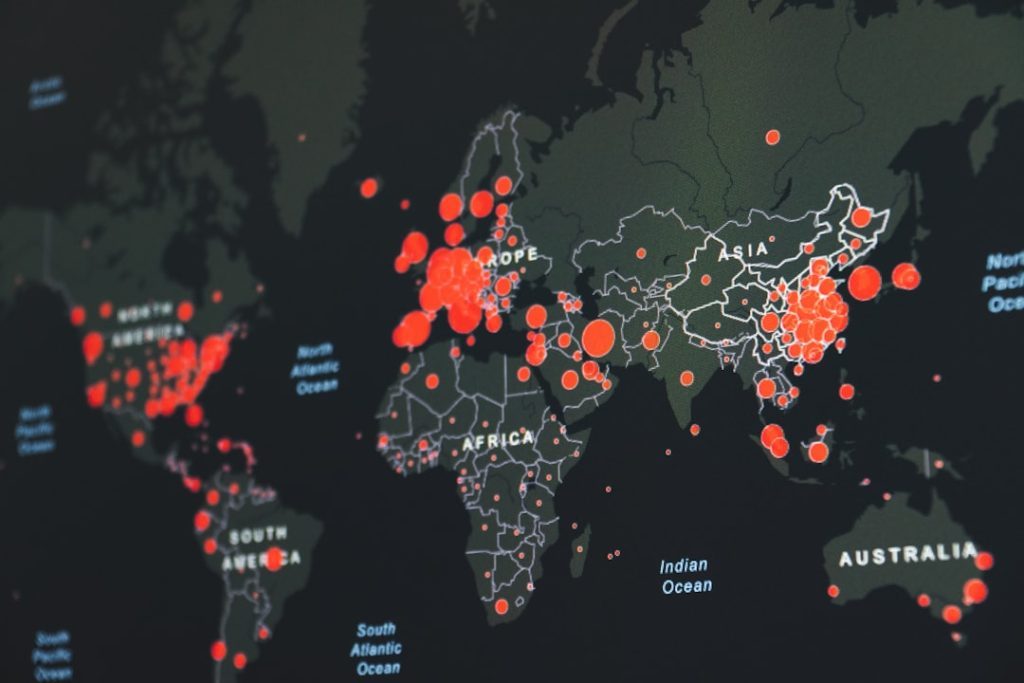
In an increasingly interconnected digital economy, businesses and individuals rely on unrestricted, secure, and location-specific internet access to operate effectively. Geo-targeted proxy network software has emerged as a critical solution for accessing region-locked content, conducting market research, verifying advertisements, managing cybersecurity operations, and enabling global e‑commerce expansion. By routing internet traffic through strategically located proxy servers worldwide, this technology provides users with localized IP addresses while maintaining privacy and control.
TLDR: Geo-targeted proxy network software enables users to access the web as if they were located in specific countries or cities. It routes traffic through global proxy servers, providing localized IP addresses for market research, ad verification, automation, and privacy protection. Businesses use it to bypass geo-restrictions, test global campaigns, and gather competitive intelligence. Choosing the right provider depends on coverage, speed, security, and scalability.
What Is Geo-Targeted Proxy Network Software?
Geo-targeted proxy network software is a platform that allows users to connect to the internet through IP addresses assigned to specific geographic regions. Instead of accessing a website directly, the user’s request is routed through a proxy server located in a chosen country, state, or even city.
This functionality makes it appear as though the user is browsing from that specific location. For instance, a digital marketer in Germany can view search engine results exactly as a user in New York would see them.
Proxies generally fall into several categories:
- Residential Proxies – IP addresses assigned to real residential devices.
- Datacenter Proxies – IP addresses from data centers, offering speed and scalability.
- Mobile Proxies – IP addresses from mobile carriers, useful for mobile-specific testing.
- ISP Proxies – Static residential IPs hosted on data center infrastructure.

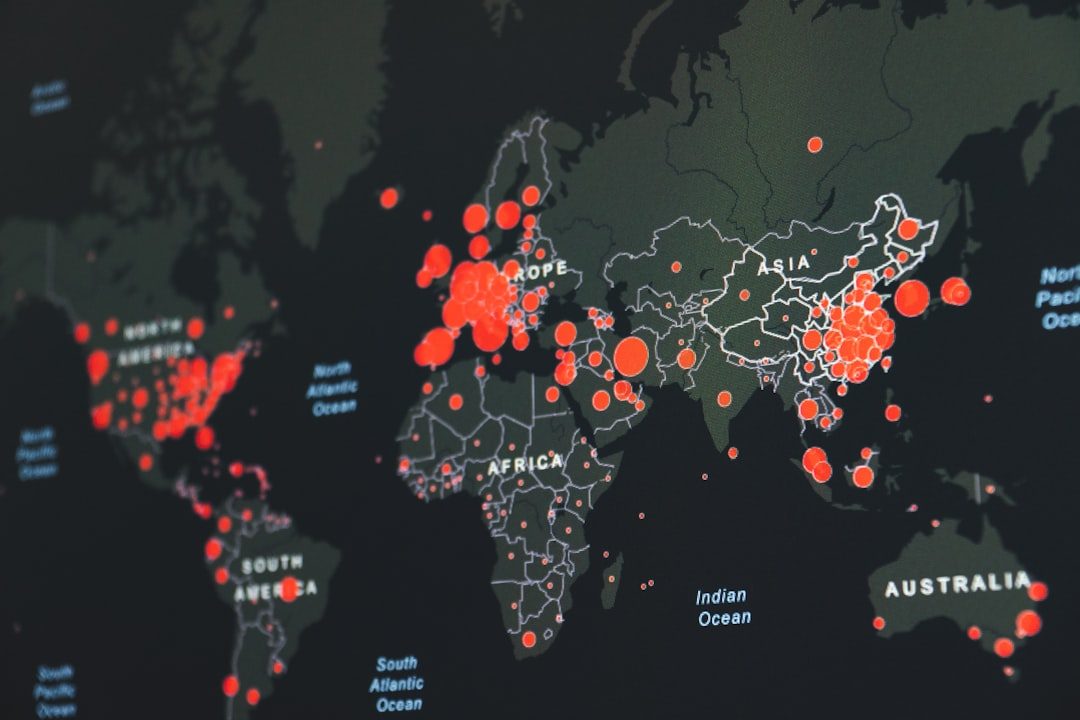
How Geo-Targeted Proxy Networks Work
At its core, proxy network software acts as an intermediary between a user and a destination server. The process typically follows these steps:
- The user selects a desired geographic location.
- The software routes the request through a proxy server within that region.
- The destination website sees the proxy server’s IP instead of the user’s real IP.
- The response returns through the proxy to the user.
Advanced platforms allow granular targeting, including:
- Country-level targeting
- State or province targeting
- City-level targeting
- Carrier or ASN targeting
This precision is essential for businesses running localized campaigns or ensuring compliance with regional regulations.
Key Benefits of Geo-Targeted Proxy Software
1. Access to Geo-Restricted Content
Many websites serve different content depending on the user’s location. Geo-targeted proxies allow organizations to access region-specific pricing, offers, search engine results, and streaming services.
2. Market Research and Competitive Intelligence
E-commerce companies use proxy networks to monitor competitor pricing and product availability across countries. Travel companies, for example, analyze airfare fluctuations in multiple regions simultaneously.
3. Ad Verification
Fraudulent ads and improper placements cost businesses billions annually. Proxy networks allow advertisers to view ads as local users do and confirm that campaigns display correctly in targeted regions.
4. Enhanced Privacy and Anonymity
By masking original IP addresses, proxy software reduces tracking risks and protects organizational infrastructure from exposure.
5. Web Scraping at Scale
Large-scale data extraction requires rotating IP addresses to prevent blocks. Geo-targeted proxy networks enable intelligent rotation and location-specific scraping.
Common Use Cases Across Industries
E-Commerce:
- Monitoring localized prices
- Identifying product trends
- Testing checkout experiences in foreign markets
Digital Marketing:
- Local SEO tracking
- Ad verification
- Campaign testing
Cybersecurity:
- Threat intelligence gathering
- Attack surface monitoring
- Brand protection
Travel & Hospitality:
- Fare comparison
- Regional promotion testing
- Demand forecasting
Key Features to Look For
When evaluating geo-targeted proxy network software, decision-makers typically consider the following features:
- Global Coverage: Number of countries and cities supported.
- IP Pool Size: Larger pools reduce detection risk.
- Session Control: Sticky sessions vs. rotating sessions.
- Speed and Reliability: Low latency and high uptime.
- Security Protocols: HTTPS support and authentication methods.
- API Access: Automation compatibility.
- Compliance Standards: Ethical sourcing of IP addresses.
Comparison of Popular Geo-Targeted Proxy Network Providers
| Provider | IP Types | Global Coverage | Best For | Unique Feature |
|---|---|---|---|---|
| Bright Data | Residential, Mobile, Datacenter, ISP | 195+ Countries | Enterprise Data Collection | Advanced targeting filters |
| Oxylabs | Residential, Datacenter, Mobile | 188+ Countries | Large Scale Scraping | AI powered proxy rotation |
| Smartproxy | Residential, Datacenter, ISP | 195+ Countries | SMB Market Research | User friendly dashboard |
| SOAX | Residential, Mobile | 150+ Countries | Precise City Targeting | Flexible IP rotation controls |
Challenges and Considerations
While geo-targeted proxy software offers substantial advantages, there are challenges organizations must address:
- Legal Compliance: Adhering to data privacy regulations such as GDPR.
- Ethical Sourcing: Ensuring residential IPs are obtained transparently.
- Website Countermeasures: Increasing anti-bot systems and CAPTCHA protections.
- Cost Management: Bandwidth and premium targeting can increase expenses.
Organizations must carefully evaluate providers’ compliance policies to mitigate reputational risks.


Future Trends in Geo-Targeted Proxy Technology
The future of proxy networking is being shaped by automation, artificial intelligence, and heightened privacy regulations.
AI-Driven Optimization: Machine learning algorithms now dynamically allocate IPs based on block detection rates.
Integration with Cloud Infrastructure: Proxies are increasingly offered as scalable microservices within cloud environments.
Stronger Compliance Frameworks: Providers are prioritizing transparency as governments regulate data collection practices.
5G Mobile Proxy Expansion: Faster mobile networks are enhancing mobile proxy reliability and speed.
Implementing Geo-Targeted Proxy Software Strategically
To maximize value, organizations should:
- Clearly define operational objectives.
- Select proxy types aligned with specific use cases.
- Implement rotation and throttling strategies to avoid detection.
- Monitor performance metrics continuously.
- Ensure legal and ethical compliance oversight.
Proper implementation transforms proxy technology from a simple access tool into a strategic intelligence asset.
Conclusion
Geo-targeted proxy network software has become a foundational technology for businesses operating in global digital environments. From ad verification and SEO tracking to cybersecurity research and global e-commerce expansion, the ability to simulate localized browsing experiences provides measurable competitive advantages.
However, effectiveness depends on careful provider selection, ethical considerations, and thoughtful implementation strategies. As online ecosystems grow more regulated and complex, geo-targeted proxy solutions will continue evolving into more intelligent, compliant, and automated systems that empower organizations to access the internet without borders.
Frequently Asked Questions (FAQ)
1. Is geo-targeted proxy software legal?
Yes, proxy software itself is legal in most jurisdictions. However, how it is used determines legality. Users must comply with website terms of service and data protection regulations.
2. What is the difference between residential and datacenter proxies?
Residential proxies use IP addresses assigned to real households, making them harder to detect. Datacenter proxies originate from cloud servers and offer faster speeds but may be easier to identify.
3. Can proxies improve SEO tracking accuracy?
Yes. Geo-targeted proxies allow businesses to view local search engine results from specific cities or countries, providing accurate ranking data.
4. How secure is proxy network software?
Security depends on the provider. Reputable platforms offer HTTPS encryption, authentication controls, and IP whitelisting for enhanced protection.
5. Do proxy networks slow down internet speed?
There can be minor latency due to rerouting traffic, but premium providers optimize for minimal speed reduction.
6. Who typically uses geo-targeted proxies?
Digital marketers, cybersecurity teams, e-commerce businesses, travel companies, and data analysts frequently rely on geo-targeted proxy networks.
7. What should businesses prioritize when choosing a provider?
Global coverage, IP quality, compliance transparency, uptime reliability, customer support, and pricing scalability are key selection factors.