


Guest post outreach remains one of the most reliable ways to earn high-quality backlinks, but only when it is approached with discipline, relevance, and editorial integrity. The goal is not to place links anywhere possible; it is to contribute useful content to reputable websites whose audiences genuinely overlap with yours. Done correctly, guest posting can improve search visibility, strengthen brand authority, and create long-term relationships in your industry.
TLDR: Guest post outreach works best when you prioritize quality over volume. Start by finding relevant websites with real audiences, then pitch valuable article ideas tailored to their editorial standards. Use natural anchor text, avoid spammy tactics, and track results carefully. Sustainable backlinks come from trust, relevance, and useful content.
Why Guest Post Outreach Still Matters
Search engines use backlinks as signals of credibility, but not all links carry the same value. A backlink from a respected industry publication can be far more beneficial than dozens of links from low-quality blogs. Guest posting gives you the opportunity to earn these links while also placing your expertise in front of a targeted audience.
However, the standards are higher than they used to be. Website owners receive many outreach emails every week, and most are generic, poorly researched, or overly promotional. To stand out, your outreach must demonstrate that you understand the website, its readers, and the kind of content that would genuinely help them.


Start With a Clear Backlink Strategy
Before searching for websites, clarify what you want your guest posting campaign to achieve. A serious strategy should identify:
- Your target pages: Decide which pages deserve links, such as research reports, service pages, product guides, or educational resources.
- Your ideal audience: Define the industries, roles, and problems your content should address.
- Your authority topics: Focus on themes where your business has genuine expertise.
- Your quality standards: Establish what makes a website worth contacting.
This preparation helps prevent scattered outreach. Instead of chasing any site that accepts guest posts, you can focus on websites that align with your brand and can send meaningful referral traffic.
Find Relevant Guest Post Opportunities
The best guest post targets are not always the sites advertising “write for us” pages. Many strong publications accept contributions selectively, even if they do not openly promote guest posting. Look for industry blogs, trade publications, niche magazines, association websites, and respected independent publishers.
You can find prospects through several methods:
- Search for industry keywords combined with phrases such as contributor guidelines, submit an article, or guest contribution.
- Review where competitors, partners, or industry experts have published guest articles.
- Explore LinkedIn posts from editors and content managers in your niche.
- Use SEO tools to identify websites linking to similar resources or thought leadership content.
Relevance should come before metrics. A smaller but respected website in your niche may provide a more valuable backlink than a general website with inflated authority scores and little editorial focus.
Vet Websites Carefully
Not every site that accepts guest posts is worth your time. Some websites exist mainly to sell links, and association with them can damage your credibility. Before reaching out, evaluate each prospect carefully.
Look for signs of quality, including:
- Topical focus: The website should publish consistently around a clear subject area.
- Editorial standards: Articles should be well-written, useful, and updated when necessary.
- Real readership: Check for comments, social engagement, newsletter activity, or visible community signals.
- Healthy link profile: Avoid sites with obvious link farms, irrelevant outbound links, or excessive sponsored content.
- Indexing and traffic: A quality site should have pages indexed in search and some level of organic visibility.
If a site publishes unrelated posts on finance, gambling, health, technology, and travel with no clear editorial purpose, it is usually a poor target. High-quality backlinks come from context, not just domain metrics.
Create Pitch Topics That Serve the Publisher
A strong pitch is not centered on your need for a backlink. It is centered on the publisher’s need for excellent content. Before writing your email, study recent articles on the website. Identify content gaps, outdated topics, or angles that would interest their readers.
Good guest post ideas are specific and useful. For example, instead of pitching “Digital Marketing Tips,” suggest “How Mid-Sized B2B Companies Can Improve Lead Quality Without Increasing Ad Spend.” Specific topics show that you have put thought into the audience and can contribute expertise rather than generic content.


Write Outreach Emails That Build Trust
Your outreach email should be concise, respectful, and personalized. Editors do not need a long biography, but they do need evidence that you are credible and that your idea fits their publication.
A strong outreach email typically includes:
- A short, personalized opening that references the website or a recent article.
- A clear explanation of why your proposed topic would help their readers.
- Two or three suggested headlines with brief descriptions.
- Examples of your previous writing or relevant expertise.
- A polite closing that makes it easy for them to respond.
Avoid exaggerated claims, mass-mailing language, and immediate demands for a dofollow link. Professional publishers can recognize templated outreach quickly. The more your message feels relevant and respectful, the better your chances of getting a response.
Deliver Content Worth Publishing
Securing approval is only the beginning. The quality of the submitted article determines whether the relationship continues and whether your backlink is placed naturally. Your guest post should meet or exceed the publication’s editorial standards.
Strong guest posts usually include original insights, clear structure, credible examples, and practical advice. Avoid thin content that merely repeats common information. If possible, include data, expert commentary, case observations, or specific frameworks based on experience.
Your link should support the article, not interrupt it. A backlink to your site works best when it points to a genuinely useful resource that expands on the topic. This could be a detailed guide, original research, a calculator, a comparison page, or a relevant educational asset.
Use Natural Anchor Text
Anchor text is important, but over-optimization can create risk. If every guest post uses the same exact commercial keyword, the pattern looks unnatural. A safer and more credible approach is to vary anchor text and make it fit the sentence naturally.
Use a balanced mix of:
- Branded anchors, such as your company or product name.
- Descriptive anchors, such as this guide to customer onboarding.
- Partial-match anchors that include relevant terms without forcing them.
- Natural citations, such as linking to a report, study, or resource.
The best anchor text feels helpful to the reader. If the link appears inserted only for SEO purposes, it weakens both the content and the relationship with the publisher.
Follow Up Without Being Pushy
Follow-up is part of professional outreach, but it should be handled carefully. If you do not receive a response, wait several business days before sending a brief reminder. One or two follow-ups are usually enough. Repeated emails can damage your reputation and reduce future opportunities.
When a guest post is accepted and published, thank the editor. Share the article through your own channels, respond to comments if appropriate, and keep the relationship alive. Over time, reliable contributors may be invited to submit again or collaborate on larger content projects.


Measure Results Beyond Domain Authority
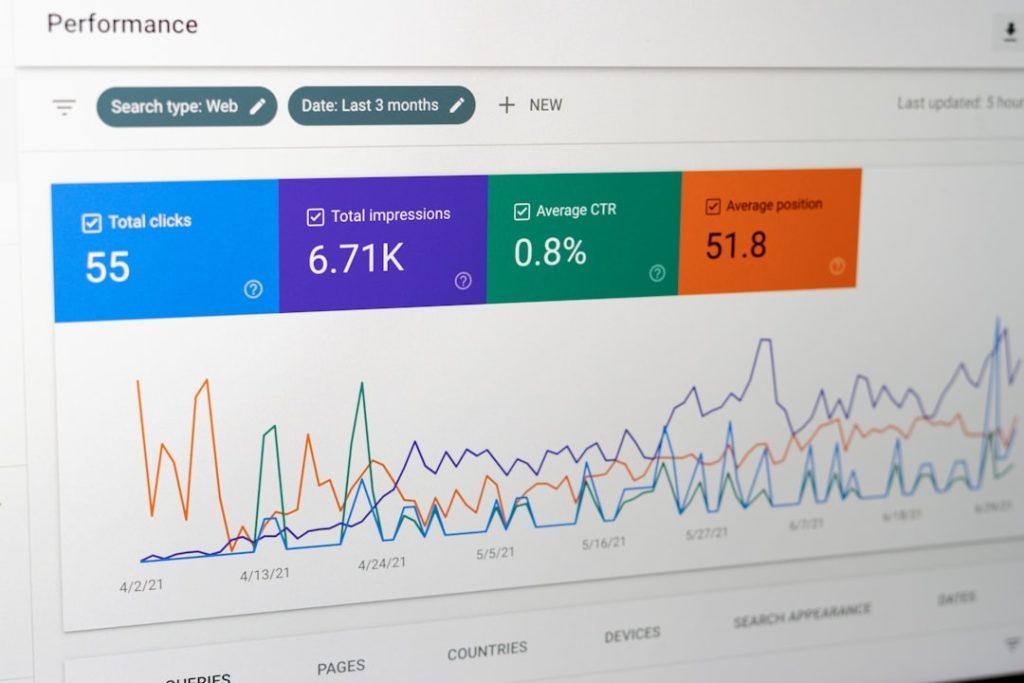
Backlink campaigns should be measured, but not only by authority scores. Track whether your guest posts are indexed, whether the links remain live, and whether they drive referral traffic. Monitor search visibility for the target pages over time, but remember that SEO improvements often result from cumulative effort rather than a single link.
Useful metrics include organic traffic growth, keyword movement, referral sessions, conversions, and the number of quality relationships created. A campaign that builds five strong editorial partnerships may be more valuable than one that places fifty low-grade links.
Build Links for the Long Term
Guest post outreach is most effective when treated as relationship building, not link acquisition alone. High-quality backlinks come from high-quality contributions. That means respecting editorial standards, offering genuine value, and choosing relevance over shortcuts.
If your approach is patient and selective, guest posting can become a durable part of your SEO strategy. It helps search engines understand your authority, introduces your brand to new audiences, and strengthens your presence in the conversations that matter most in your industry.