



In a world filled with distractions and constant notifications, maintaining consistent daily routines has become increasingly difficult. Many people struggle to build discipline not because they lack motivation, but because they lack structure and visibility into their habits. Habit tracking apps like Loop provide a simple yet powerful solution by helping users monitor daily behaviors, measure progress, and stay accountable over time. Through visual data, reminders, and streak systems, these tools transform small actions into long-term personal growth.
TLDR: Habit tracking apps like Loop help users build discipline by tracking daily routines, visualizing progress, and reinforcing consistency. They offer features such as streak counts, reminders, statistics, and goal tracking. These apps simplify behavior change by breaking goals into manageable daily actions. Over time, consistent tracking builds awareness, accountability, and self-discipline.
Why Habit Tracking Builds Discipline
Discipline often feels abstract, but in practice it is built through repeated actions. Habit tracking apps support discipline in three core ways:
- Visibility: Users can clearly see how often they complete (or skip) a habit.
- Accountability: Missed days are documented, which encourages responsibility.
- Momentum: Streaks and progress charts motivate continued consistency.
Apps like Loop focus on simplicity rather than gamification overload. By tracking behaviors such as exercising, reading, meditating, or drinking water, individuals begin to associate discipline with measurable progress. The act of checking off a completed habit reinforces positive behavior psychologically.


Over time, repetition becomes routine. Routine becomes identity. This transformation is what turns short bursts of motivation into sustainable discipline.
Key Features of Habit Tracking Apps Like Loop
Not all habit trackers are created equal. However, most successful apps share several essential features designed to promote consistency.
1. Simple Habit Logging
Loop, for example, allows users to define habits and record completion with a single tap. Simplicity reduces friction, which is crucial for long-term adherence. If logging a habit feels complicated, users are more likely to abandon the system.
2. Visual Statistics and Graphs
Data visualization makes progress tangible. Weekly, monthly, and yearly charts provide insight into patterns. Users can identify:
- Which habits are consistent
- When performance drops occur
- How streaks fluctuate over time
These insights transform habit-building from guesswork into data-driven improvement.
3. Streak Tracking
Streak systems have a psychological impact. The longer a streak continues, the more reluctant users are to break it. Although Loop avoids aggressive gamification, it still leverages streak tracking as a motivational anchor.
4. Reminders and Notifications
Consistency requires cues. Notification reminders prompt action at scheduled times, reinforcing routines until they become automatic behaviors.
5. Flexible Scheduling
Some habits need daily consistency, while others might be weekly or custom frequency goals. Top apps allow flexibility to avoid unrealistic pressure.
Popular Habit Tracking Apps Compared
While Loop is a standout for its clean interface and open-source approach, other apps offer unique strengths. Below is a comparison of several popular options:
| App | Best For | Key Features | Price Model | Platform |
|---|---|---|---|---|
| Loop | Minimalists, data lovers | Advanced statistics, streaks, simple logging | Free, open source | Android |
| Habitica | Gamification fans | RPG rewards, avatars, social challenges | Freemium | iOS, Android, Web |
| Streaks | Apple ecosystem users | Apple Health integration, clean interface | Paid | iOS |
| Habitify | Cross-platform users | Cloud sync, reminders, detailed reports | Freemium | iOS, Android, Web |
Choosing the right app depends on personal preference. Some individuals prefer minimal distraction, while others stay motivated through rewards and game mechanics.
How Habit Trackers Improve Daily Routines
Daily routines often fail because they are too ambitious or poorly structured. Habit apps encourage users to start small and build gradually. Instead of setting a vague goal like “get fit,” users can track specific actions such as:
- 10 minutes of stretching
- 8,000 steps walked
- One healthy meal per day

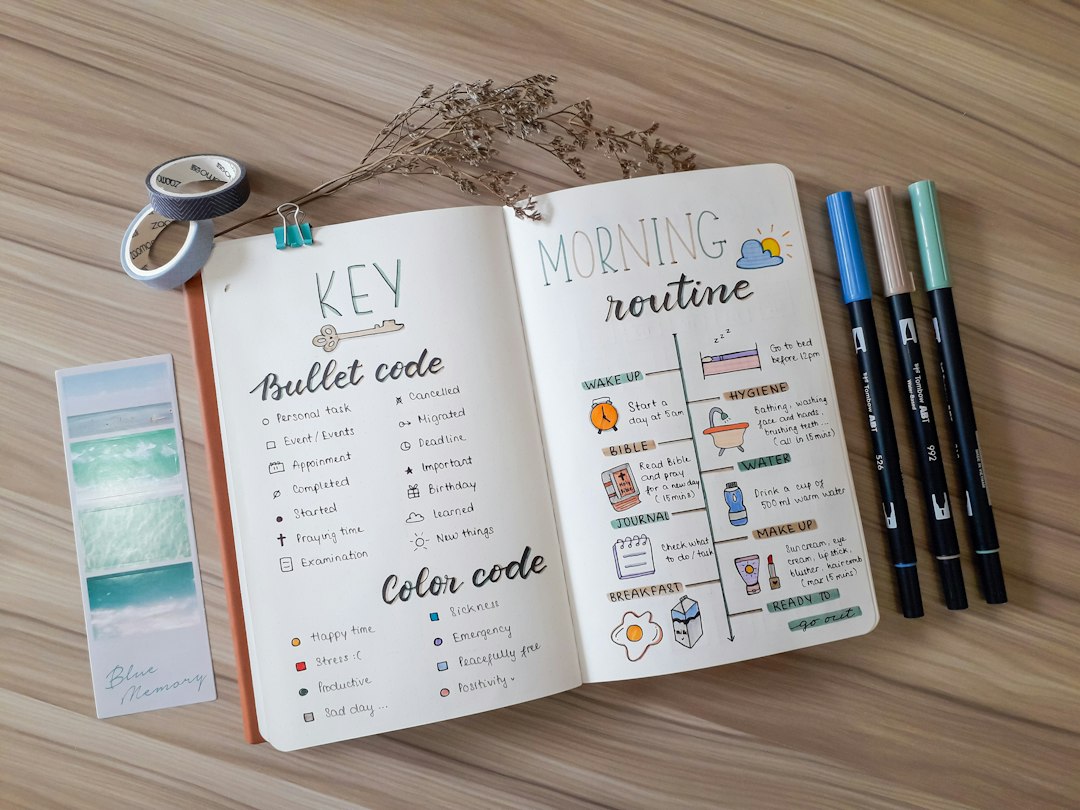
Breaking goals into manageable actions reduces overwhelm. Each completed task reinforces a sense of accomplishment. This micro-success strategy strengthens neural pathways associated with discipline and delayed gratification.
Additionally, habit tracking highlights patterns. If someone notices they consistently skip workouts on Fridays, they can adjust strategy rather than abandon the goal entirely. Awareness is often the missing ingredient in behavior change.
The Psychology Behind Habit Formation
Habit-building follows a neurological pattern known as the cue-routine-reward loop. Apps support each stage:
- Cue: Push notifications signal it’s time to act.
- Routine: The habit itself is performed.
- Reward: Checking off the habit provides psychological satisfaction.
Over weeks and months, repetition strengthens automatic behavior pathways in the brain. What once required effort becomes second nature.
Importantly, tracking apps also remove emotional bias. Instead of thinking, “I never stick to anything,” users can look at concrete statistics. Often, they discover they are more consistent than they assumed. This factual perspective builds confidence.
Common Mistakes When Using Habit Tracking Apps
Despite their effectiveness, these tools can lose impact if misused. Common mistakes include:
- Tracking too many habits at once
- Setting unrealistic daily goals
- Obsessing over perfection and streak loss
- Failing to review progress data
The best approach is to start with three to five core habits. Discipline grows through mastery of a few behaviors, not scattered attention.
Users should also recognize that missing an occasional day does not equal failure. Consistency over time matters more than perfect streaks.
Who Benefits Most from Habit Tracking?
Habit tracking apps are particularly effective for:
- Students building study routines
- Fitness enthusiasts tracking workouts
- Remote workers structuring daily productivity
- Individuals improving mental health through journaling or meditation


Anyone seeking incremental self-improvement can benefit. The barrier to entry is low, yet the cumulative impact can be transformative.
Long-Term Impact on Discipline
Over extended periods, consistent habit tracking reshapes self-identity. Instead of attempting occasional bursts of motivation, users begin to see themselves as disciplined individuals. They rely less on willpower and more on established systems.
Systems outperform motivation because they function regardless of mood. On difficult days, a simple reminder and the desire not to break a streak can be enough to trigger action.
Apps like Loop especially emphasize sustainability rather than flashy distractions. By prioritizing simplicity, they encourage a focus on habits themselves rather than entertainment.
Tips for Getting the Most Out of Habit Tracking Apps
- Start with small, achievable habits.
- Set consistent reminder times.
- Review progress weekly.
- Adjust habits based on real performance data.
- Focus on identity change, not just streak length.
When used intentionally, these apps become more than digital checklists. They become tools for structured self-development.
Conclusion
Habit tracking apps like Loop demonstrate that discipline is not an innate trait but a trainable skill. Through tracking, visualization, and consistent reinforcement, users gain insight into their behavior patterns and strengthen their ability to follow through on commitments. By transforming daily actions into measurable progress, these tools bridge the gap between intention and execution. Over time, small daily steps accumulate into powerful personal transformation.
Frequently Asked Questions (FAQ)
1. Are habit tracking apps actually effective?
Yes. Research on behavior change shows that self-monitoring significantly increases goal adherence. Tracking habits increases awareness and accountability, which improves consistency.
2. Is Loop better than other habit tracking apps?
Loop is ideal for users who prefer a clean, data-focused interface without excessive gamification. However, those who enjoy rewards and social features may prefer alternatives like Habitica.
3. How many habits should someone track at once?
Most productivity experts recommend starting with three to five core habits. Too many tracked behaviors can reduce focus and increase burnout.
4. What happens if a streak is broken?
Breaking a streak is normal and does not erase progress. The goal is long-term consistency, not perfection. Many users resume immediately and continue building momentum.
5. Can habit tracking help with mental health?
Yes. Tracking activities such as gratitude journaling, meditation, sleep routines, and exercise can improve overall well-being and emotional stability.
6. Are free habit tracking apps good enough?
Many free apps, including Loop, provide robust features suitable for most users. Premium versions often add cloud sync, customization, or advanced reporting tools.