



Modern digital experiences demand content that can move effortlessly across websites, mobile apps, kiosks, smart devices, and emerging platforms. Traditional content management systems (CMS) were built primarily for rendering web pages, often coupling the content layer tightly with presentation. In contrast, headless CMS platforms like Strapi separate content from its display layer, enabling organizations to manage and distribute information with far greater flexibility and control.
TLDR: Headless CMS platforms such as Strapi decouple content management from the front-end presentation layer, allowing teams to deliver content across multiple channels via APIs. This architecture improves scalability, flexibility, and developer freedom while supporting modern frameworks and omnichannel strategies. Strapi stands out as an open-source, customizable option with strong community backing. For organizations seeking future-proof content infrastructure, headless CMS solutions offer a compelling path forward.
Understanding the Headless CMS Architecture
A traditional CMS combines content management and front-end rendering in a single system. While convenient for simple websites, this structure can become restrictive when organizations need to deliver content to multiple platforms.
A headless CMS removes the “head” — the presentation layer — and focuses solely on content management. It stores content in a structured format and exposes it via APIs (typically REST or GraphQL). Developers can then use any preferred front-end framework to present that content.
This separation provides several advantages:
- Flexibility: Content can be displayed on websites, mobile apps, smart TVs, and more.
- Scalability: Backend and frontend systems can scale independently.
- Technology freedom: Frontend developers can use modern frameworks such as React, Vue, or Angular.
- Future readiness: New channels can be added without rebuilding the CMS.
Strapi exemplifies this architecture by offering a customizable backend that allows teams to design content models tailored to their specific needs.
Why Strapi Has Gained Popularity
Among numerous headless CMS platforms, Strapi has emerged as a leading option, particularly for development teams seeking open-source flexibility combined with enterprise-grade capabilities.

Several characteristics contribute to Strapi’s strong adoption:
- Open-source foundation: Organizations maintain full control over their codebase and infrastructure.
- Customizable content modeling: Developers can define content types, fields, and relationships with precision.
- API-first approach: Automatic generation of REST and GraphQL endpoints.
- Self-hosted or cloud deployment options: Flexible infrastructure choices.
- Role-based access control: Fine-grained permissions for content editors and administrators.
This balance of developer autonomy and editor usability makes Strapi appealing to both technical and non-technical stakeholders.
Flexible Content Modeling for Complex Needs
Modern organizations often require sophisticated content structures: localization support, dynamic components, reusable modules, and multi-level relationships between data types. Headless CMS platforms handle these demands more effectively than rigid page-based systems.
With Strapi, teams can:
- Create reusable components for consistent design patterns.
- Define relational content between articles, authors, categories, and media.
- Support internationalization for multilingual distribution.
- Enable dynamic zones that allow flexible layout composition.
This structured approach ensures content remains organized, reusable, and adaptable across various digital environments.
Empowering Frontend Innovation
One of the most transformative advantages of a headless CMS is its compatibility with modern frontend technologies. In a traditional CMS, developers often face constraints imposed by templating systems. With a headless solution, they can innovate freely.


Strapi supports this innovation by providing clean API endpoints that integrate seamlessly with frameworks such as:
- Next.js for server-side rendering and static site generation.
- Nuxt.js for Vue-based applications.
- Gatsby for high-performance static builds.
- Mobile frameworks such as React Native or Flutter.
This flexibility enhances performance optimization strategies, including static generation, incremental builds, and edge deployment. The result is faster load times and improved user experiences.
Omnichannel Content Distribution
Digital communication is no longer confined to websites. Brands are expected to deliver consistent messaging across a wide range of platforms:
- Web applications
- Mobile apps
- Email marketing systems
- Voice assistants
- Internet of Things devices
Headless CMS platforms excel in this environment because content is stored independently from presentation. Once created, content can be published across multiple channels without duplication.

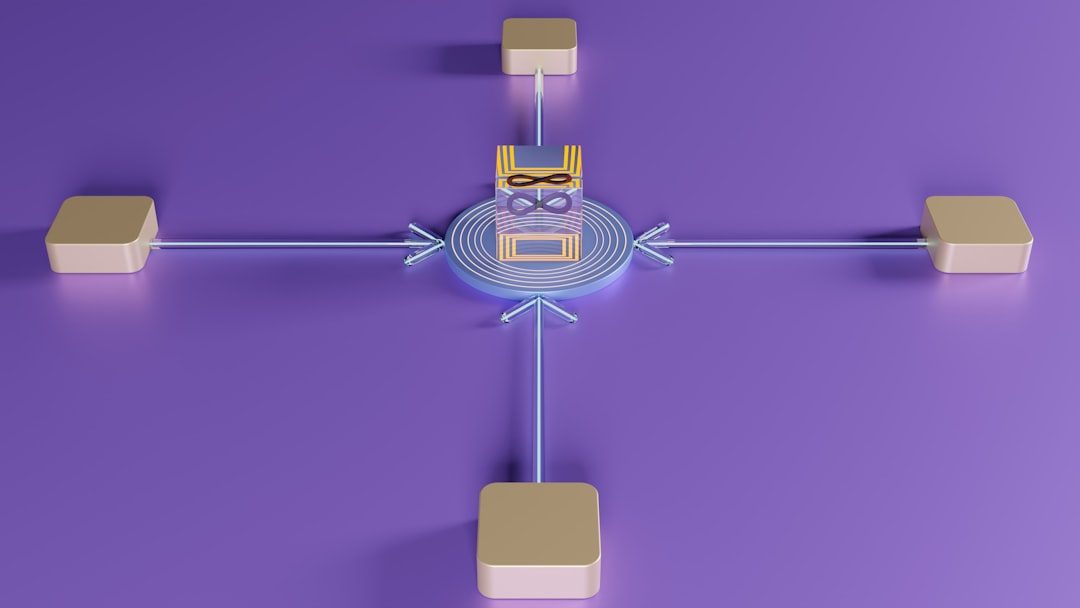
This unified approach reduces inconsistencies, strengthens brand alignment, and improves operational efficiency.
Security and Governance Considerations
Security remains a top priority for organizations managing digital assets. Headless CMS platforms introduce new architectural considerations, but they also offer enhanced control mechanisms.
Strapi, for instance, supports:
- Role-based access control (RBAC): Granular permission assignment.
- Authentication options: JWT and OAuth integrations.
- Custom policies and middleware: Additional control over API access.
- Self-hosted deployments: Full infrastructure oversight.
Decoupling the backend can also reduce certain attack surfaces associated with tightly integrated monolithic systems. However, it requires disciplined API security practices and proper infrastructure configuration.
Challenges and Trade-Offs
While powerful, headless CMS platforms are not universally ideal. Organizations should consider several trade-offs before adoption:
- Development dependency: Frontend implementation requires developer resources.
- No built-in front-end rendering: Additional setup compared to traditional CMS platforms.
- Infrastructure management: Self-hosting demands DevOps expertise.
For smaller teams seeking quick website deployment with minimal technical overhead, a traditional CMS may still be appropriate. But for businesses prioritizing scalability and long-term digital expansion, the flexibility of headless systems often justifies the investment.
Enterprise Use Cases
Headless CMS platforms like Strapi are increasingly deployed in enterprise environments where customization and scalability are critical. Common use cases include:
- Corporate websites requiring integration with internal systems.
- Ecommerce platforms delivering product data across web and mobile storefronts.
- Media publishers distributing content to diverse channels.
- Software-as-a-Service products embedding dynamic content within applications.
In each case, the decoupled architecture allows independent iteration of backend content structures and frontend user interfaces. This separation encourages agile development practices and reduces bottlenecks between teams.
Future Outlook for Headless CMS
The headless CMS market continues to evolve, with increasing emphasis on composable architectures. Organizations are assembling modular technology stacks by combining specialized services for content, commerce, search, and analytics.
In this context, Strapi plays a strategic role by serving as a flexible content foundation. Its open-source ecosystem fosters innovation and ensures adaptability as digital requirements shift.
Looking ahead, we can expect:
- Deeper integration with edge and serverless platforms.
- Enhanced collaboration tools for content teams.
- Greater emphasis on performance optimization and caching strategies.
- Expanded plugin marketplaces and ecosystem development.
Conclusion
Headless CMS platforms like Strapi represent a significant advancement in content management strategy. By separating content from presentation, they enable organizations to deliver consistent, scalable, and future-ready digital experiences. The architecture supports rapid innovation, cross-platform distribution, and robust integration capabilities.
For enterprises and growing organizations seeking flexibility beyond traditional systems, a headless CMS offers a serious, sustainable solution. Strapi, in particular, provides a compelling combination of openness, customization, and community support. As digital ecosystems grow more complex, adopting a flexible foundation for content management is not merely an option — it is a strategic imperative.