



In a fast-paced world filled with constant notifications, mounting responsibilities, and emotional pressures, achieving inner harmony can feel like an elusive goal. This is where holistic techniques come into play. Rather than addressing emotional struggles in isolation, holistic practices view the mind, body, and spirit as interconnected parts of a larger system. By nurturing each aspect, individuals can cultivate resilience, clarity, and lasting emotional balance.
TLDR: Holistic techniques promote emotional balance by nurturing the connection between mind, body, and spirit. Practices such as meditation, breathwork, yoga, nutrition awareness, and energy healing help reduce stress and increase resilience. These approaches focus on prevention and long-term well-being rather than quick fixes. Incorporating even a few of these methods into daily life can significantly improve emotional stability and overall happiness.
Understanding Holistic Emotional Balance
Emotional balance does not mean avoiding negative feelings. Instead, it involves the ability to process, understand, and respond to emotions in a healthy way. Holistic methods encourage self-awareness, mindfulness, and proactive care. Rather than suppressing stress or anxiety, they aim to uncover root causes and restore harmony across physical, emotional, and energetic levels.
Holistic practices emphasize:
- Prevention over reaction
- Mind-body connection
- Natural and sustainable healing
- Personal responsibility and empowerment
When these principles are embraced, emotional well-being becomes a daily practice rather than a distant goal.
1. Mindfulness Meditation
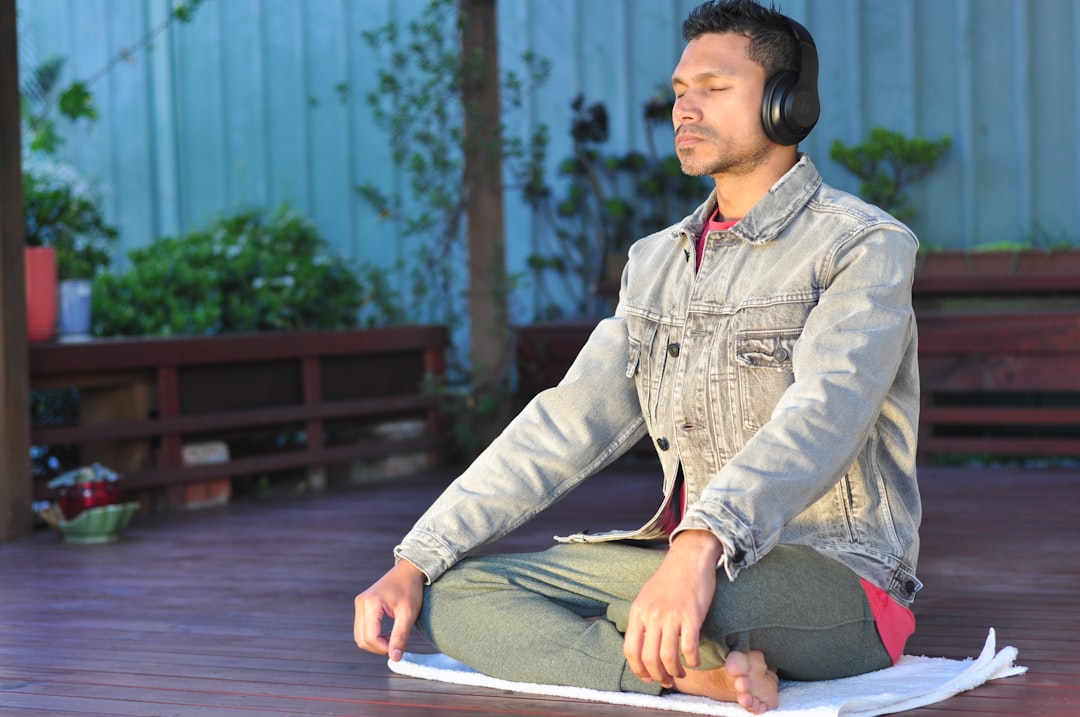
Mindfulness meditation is one of the most widely researched holistic practices for emotional regulation. It involves focusing on the present moment without judgment. By observing thoughts and feelings as they arise, individuals learn not to be overwhelmed by them.
Regular meditation can:
- Reduce cortisol (the stress hormone)
- Increase emotional awareness
- Improve concentration
- Enhance overall mood stability


Even five to ten minutes daily can create noticeable improvements. Over time, mindfulness strengthens neural pathways associated with calmness and rational thinking, helping individuals respond thoughtfully rather than react impulsively.
2. Breathwork Techniques
Breathing is directly linked to the nervous system. Shallow, rapid breathing signals danger to the brain, while deep, controlled breathing tells the body it is safe to relax. Breathwork intentionally manipulates breathing patterns to stabilize emotions.
Popular breathwork methods include:
- Box breathing (inhale, hold, exhale, hold in equal counts)
- 4-7-8 breathing
- Alternate nostril breathing
These techniques are especially useful during moments of acute stress or anxiety. By calming the nervous system, breathwork creates a foundation for clearer thinking and emotional resilience.
3. Yoga and Gentle Movement
Physical tension often mirrors emotional tension. Yoga combines movement, breath, and concentration to release both. Unlike high-intensity workouts designed solely for physical fitness, yoga integrates mindfulness with gentle strength and flexibility training.
Benefits include:
- Reduced muscle tension
- Improved sleep quality
- Balanced mood through endorphin release
- Enhanced body awareness


Studies show that consistent yoga practice can decrease symptoms of anxiety and depression. The deliberate pacing of movements promotes patience and self-compassion—key ingredients for emotional equilibrium.
4. Nutritional Awareness
The phrase “you are what you eat” carries emotional truth. Emerging research in nutritional psychiatry confirms that diet significantly impacts mood and cognitive function. Processed foods and high sugar intake can exacerbate mood swings, while nutrient-dense diets support stable energy and clear thinking.
Key nutrients for emotional balance include:
- Omega-3 fatty acids (found in fish and flaxseed)
- B vitamins
- Magnesium
- Probiotics for gut health
The gut-brain connection highlights that a healthy digestive system contributes to improved emotional responses. By nourishing the body, individuals create biochemical stability that supports psychological well-being.
5. Energy Healing Practices
While more controversial in scientific circles, energy healing methods such as Reiki and acupuncture have gained widespread popularity. These practices operate on the belief that imbalances in the body’s energy flow contribute to emotional distress.

Clients often report feelings of deep relaxation, clarity, and emotional release after sessions. Whether through measurable physiological effects or placebo-driven relaxation responses, many find these techniques beneficial as complementary tools.
6. Journaling and Emotional Processing
Writing thoughts and feelings on paper externalizes internal struggles. Journaling allows individuals to identify patterns, triggers, and recurring beliefs that influence behavior.
Effective journaling strategies include:
- Gratitude lists
- Emotion tracking
- Stream-of-consciousness writing
- Goal reflection exercises
Expressive writing has been shown to reduce symptoms of stress and trauma. By translating emotions into words, the brain processes them more effectively.
Comparison of Popular Holistic Techniques
| Technique | Primary Focus | Best For | Time Commitment | Accessibility |
|---|---|---|---|---|
| Meditation | Mind awareness | Stress reduction, clarity | 5–20 minutes daily | High (can be done anywhere) |
| Breathwork | Nervous system regulation | Acute anxiety | 2–10 minutes | Very high |
| Yoga | Mind-body integration | Tension, mood support | 20–60 minutes | Moderate |
| Nutritional Changes | Biochemical balance | Mood stability | Ongoing lifestyle | Moderate |
| Energy Healing | Energetic alignment | Emotional release | 30–60 minute sessions | Varies by location |
| Journaling | Emotional clarity | Self-reflection | 10–15 minutes | Very high |
Creating a Personalized Holistic Routine
The effectiveness of holistic techniques often depends on consistency. Rather than attempting all methods at once, it is best to select two or three that resonate personally.
A simple daily routine might include:
- Five minutes of breathwork upon waking
- Ten minutes of meditation before bed
- Weekly yoga sessions
- Daily gratitude journaling
The key is sustainability. Emotional balance grows from small, repeated actions rather than intensive short-term efforts.
The Science Behind Holistic Practices
While some holistic methods stem from ancient traditions, modern science increasingly validates their benefits. Meditation alters brain structure, strengthening areas responsible for attention and emotional regulation. Breathwork influences the vagus nerve, improving stress response. Exercise and mindful movement boost serotonin and dopamine, essential neurotransmitters for mood stability.
This blending of ancient wisdom with contemporary research demonstrates that holistic techniques are not merely philosophical—they are biologically impactful.
Emotional Balance as a Lifelong Practice
There is no permanent state of perfect calm. Emotional balance is dynamic, requiring adjustments as life circumstances evolve. Holistic practices provide adaptable tools that can be fine-tuned during different seasons of life.
For example:
- During high-stress periods, increase breathwork and meditation frequency.
- During emotional transitions, emphasize journaling and energy healing.
- During fatigue, prioritize nutrition and gentle yoga.
This flexibility ensures that individuals remain responsive rather than reactive to their internal states.
Conclusion
Holistic techniques promote emotional balance by addressing the interconnected nature of human well-being. From mindfulness meditation to nutritional awareness, these methods empower individuals to take active roles in their mental and emotional health. Instead of seeking quick relief from stress or sadness, holistic approaches cultivate resilience, clarity, and grounded stability.
By incorporating even a few of these practices into daily life, emotional balance becomes less of a distant aspiration and more of a lived reality. In a world full of external noise, holistic living offers an invitation to return inward—where true harmony begins.