



Reducing software development costs is not the same as cutting corners. In serious engineering organizations, cost control means using time, talent, infrastructure, and decision-making capacity more efficiently while protecting reliability, security, and user value. The goal is to spend less on rework, delays, unclear requirements, preventable defects, and underused systems—not to produce weaker software.
TLDR: To reduce software development costs without sacrificing quality, focus on clearer planning, smaller releases, automation, disciplined technical choices, and continuous quality control. The biggest savings usually come from preventing rework, improving communication, and detecting defects early. Avoid false economies such as skipping testing, underinvesting in architecture, or hiring only for the lowest hourly rate.
Start With Clear Business Priorities
One of the most expensive problems in software development is building the wrong thing well. Teams can spend months creating features that are technically sound but commercially unnecessary. Before development begins, stakeholders should define what the software must achieve, who it serves, and which outcomes matter most.
A practical way to control scope is to separate requirements into categories:
- Essential: Features required for the product to function or meet compliance obligations.
- High value: Features likely to improve adoption, revenue, retention, or operational efficiency.
- Optional: Enhancements that may be useful but are not necessary for launch.
- Deferred: Ideas that should be revisited only after real user feedback is available.
This prioritization reduces cost because it prevents teams from treating every request as equally urgent. It also supports better trade-off decisions when budgets, timelines, or technical constraints change.

Invest in Discovery Before Development
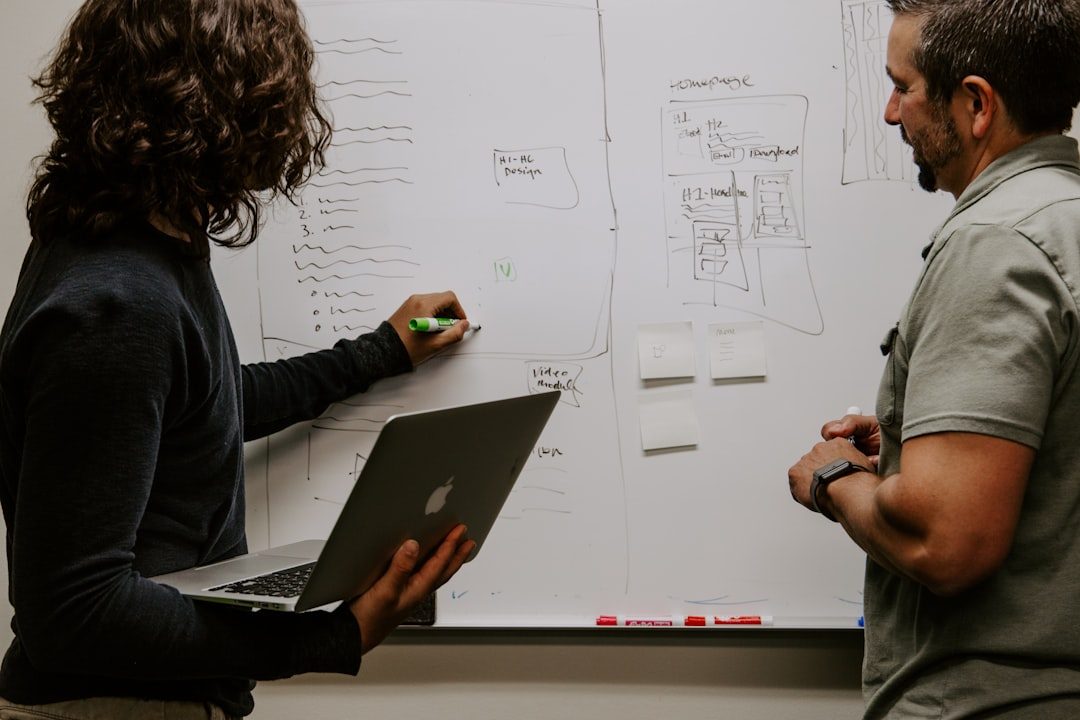
Discovery is often seen as an upfront cost, but it is usually cheaper than correcting major mistakes later. A short discovery phase can include stakeholder interviews, user research, technical feasibility analysis, and risk assessment. The purpose is not to produce excessive documentation. It is to uncover assumptions before they become expensive engineering problems.
Effective discovery should answer questions such as:
- What problem are we solving, and how will we measure success?
- Which users or business processes are most affected?
- What existing systems, data sources, or third-party services must be integrated?
- What are the security, compliance, performance, and availability requirements?
- Which parts of the project contain the greatest uncertainty?
Uncertainty is expensive when it is ignored. By identifying it early, teams can prototype, validate, or simplify the riskiest parts before committing to full-scale development.
Use Minimum Viable Products Carefully
A minimum viable product, or MVP, can reduce development costs when it is understood correctly. An MVP is not a low-quality product. It is the smallest reliable version of the product that can deliver meaningful value and generate useful feedback.
A responsible MVP should still include secure authentication if accounts are required, accessible interfaces where relevant, reliable data handling, and adequate testing. What it should exclude are secondary features, complex customization, premature automation, and speculative integrations.
The financial advantage of an MVP is speed of learning. Instead of funding a large product based on assumptions, the organization can release a controlled version, observe real usage, and invest further only where the evidence supports it.
Reduce Rework Through Better Requirements
Rework is one of the most common hidden costs in software development. It occurs when developers build features based on incomplete, ambiguous, or changing expectations. While some change is normal, persistent confusion indicates a process problem.
Good requirements do not need to be lengthy, but they should be testable and specific. For example, “the system should be fast” is not useful. A better requirement would be: “the dashboard should load within two seconds for 95% of users under normal operating conditions.”
To reduce rework, teams should use:
- User stories with acceptance criteria that explain when work is complete.
- Clickable prototypes for complex workflows before coding begins.
- Regular backlog refinement to clarify upcoming work.
- Change control for major scope changes after development has started.
Clear requirements are not bureaucracy. They are a quality and cost-control mechanism.
Choose the Right Technology, Not the Trendiest
Technology selection has long-term cost implications. A trendy framework may look attractive at the start, but if it lacks mature tooling, experienced developers, documentation, or community support, maintenance costs can rise quickly.
When selecting a technology stack, evaluate:
- Availability of skilled developers in the labor market.
- Stability and maturity of the framework or language.
- Compatibility with existing systems.
- Security support and update frequency.
- Long-term hosting and operational costs.
- Licensing obligations and vendor lock-in risks.
In many cases, established technologies reduce risk and total cost of ownership. Innovation is valuable, but it should be applied where it creates business advantage—not where it merely increases complexity.
Control Scope Creep With Formal Decision-Making
Scope creep happens when new features, refinements, or exceptions are added without adjusting budget, timeline, or priorities. It is rarely caused by bad intentions. More often, it results from informal decisions and a lack of visibility into the true cost of change.
A serious cost-control process should make every significant change visible. When a new request appears, the team should ask:
- Does this change support the primary business objective?
- What existing work should be delayed or removed to make room for it?
- What technical risk does it introduce?
- Will it increase testing, support, training, or maintenance requirements?
This approach does not block change. It ensures that change is funded, prioritized, and understood.
Automate Testing Where It Matters Most
Skipping testing may reduce short-term spending, but it often increases total cost through production defects, customer dissatisfaction, emergency fixes, and reputational damage. The better strategy is to automate the right tests and combine them with focused manual testing.
Automated tests are especially valuable for:
- Critical business logic, such as pricing, billing, permissions, and calculations.
- Regression testing, where existing features must continue working after changes.
- API behavior, where predictable responses are essential for integrations.
- Security-sensitive flows, including authentication and authorization.
Manual testing remains important for usability, exploratory testing, visual review, and edge cases that are difficult to automate. A balanced quality strategy is usually more cost-effective than relying entirely on either manual or automated testing.
Build Quality Into the Development Process
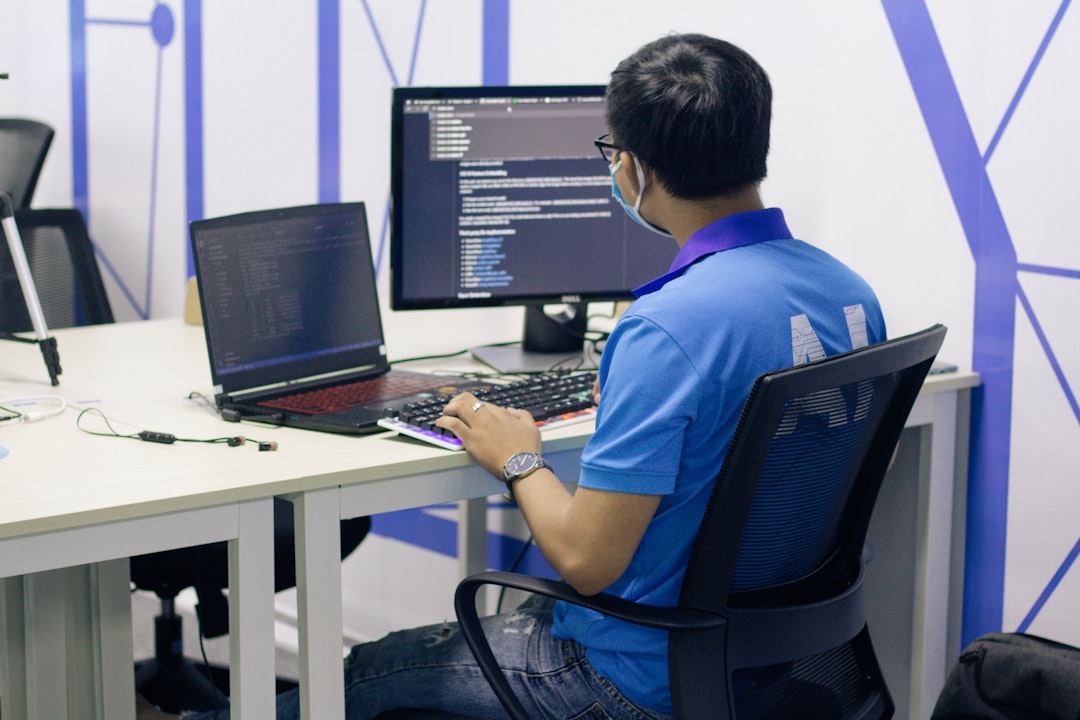
Quality should not be treated as a final inspection step. Defects are cheaper to fix when they are found early, preferably during design, coding, or code review. This requires engineering practices that make quality routine.
Cost-effective quality practices include:
- Code reviews: Improve maintainability, catch defects, and spread knowledge across the team.
- Static analysis: Detect common coding issues before deployment.
- Continuous integration: Run tests automatically when code changes.
- Definition of done: Ensure features are not considered complete until tested, reviewed, and documented where necessary.
- Pair programming for complex tasks: Reduce risk on high-impact or difficult features.
These practices may appear to slow development, but they typically reduce the larger cost of defects, production incidents, and fragile code.
Manage Technical Debt Deliberately
Technical debt is not always bad. Sometimes a team makes a temporary compromise to meet a deadline or validate a business idea. The danger is unmanaged technical debt—shortcuts that accumulate silently until every change becomes slow and risky.
Teams should track technical debt in the backlog, estimate its impact, and schedule time to address it. Not every imperfection needs immediate correction, but high-risk debt should be treated seriously, especially when it affects security, scalability, developer productivity, or core architecture.
A practical rule is to allocate a portion of each development cycle to maintenance and improvement. This prevents the product from becoming increasingly expensive to change.
Use Agile Practices With Discipline
Agile development can reduce costs by promoting iterative delivery, fast feedback, and flexible planning. However, agile methods become expensive when they are used as an excuse for poor documentation, unclear ownership, or constant changes without trade-offs.
Disciplined agile teams maintain a prioritized backlog, define sprint goals, review completed work with stakeholders, and inspect outcomes through retrospectives. They do not measure success only by velocity. They measure whether delivered work creates value, reduces risk, and maintains quality.
Agility is not the absence of structure. It is the ability to adapt within a reliable structure.
Improve Communication Between Business and Engineering
Poor communication increases development costs through misunderstandings, duplicated work, delayed approvals, and late-stage surprises. The solution is not more meetings, but better information flow.
Effective communication habits include:
- Assigning a single empowered product owner or decision-maker.
- Holding short, regular check-ins focused on blockers and decisions.
- Using shared project management tools to track status and responsibilities.
- Documenting important decisions and assumptions.
- Involving developers early when discussing feasibility or estimates.
When engineers understand business priorities, they can propose simpler and cheaper solutions. When stakeholders understand technical constraints, they make more realistic decisions.
Hire for Value, Not Just Hourly Rate
Labor is often the largest software development cost, so hiring decisions naturally receive close scrutiny. However, choosing the lowest hourly rate can become expensive if the result is poor architecture, weak communication, missed deadlines, or high defect rates.
Cost-effective hiring focuses on value. A strong senior engineer may prevent architectural mistakes that would cost months to correct. A capable quality assurance specialist may reduce production incidents. A good product manager may prevent unnecessary features from being built.
Organizations should evaluate development partners or staff based on:
- Relevant experience with similar systems or industries.
- Ability to communicate risks clearly.
- Evidence of disciplined engineering practices.
- References, case studies, or proven delivery history.
- Long-term maintainability, not only initial delivery speed.
Use Cloud and Infrastructure Resources Efficiently
Cloud platforms can reduce infrastructure costs, but unmanaged cloud spending can grow quickly. Development teams should monitor resource usage, right-size environments, and avoid running unnecessary services.
Practical savings can come from:
- Shutting down unused development and testing environments.
- Using autoscaling where demand varies significantly.
- Choosing appropriate database and storage tiers.
- Monitoring logs, bandwidth, and background jobs for waste.
- Reviewing vendor invoices regularly for unused services.

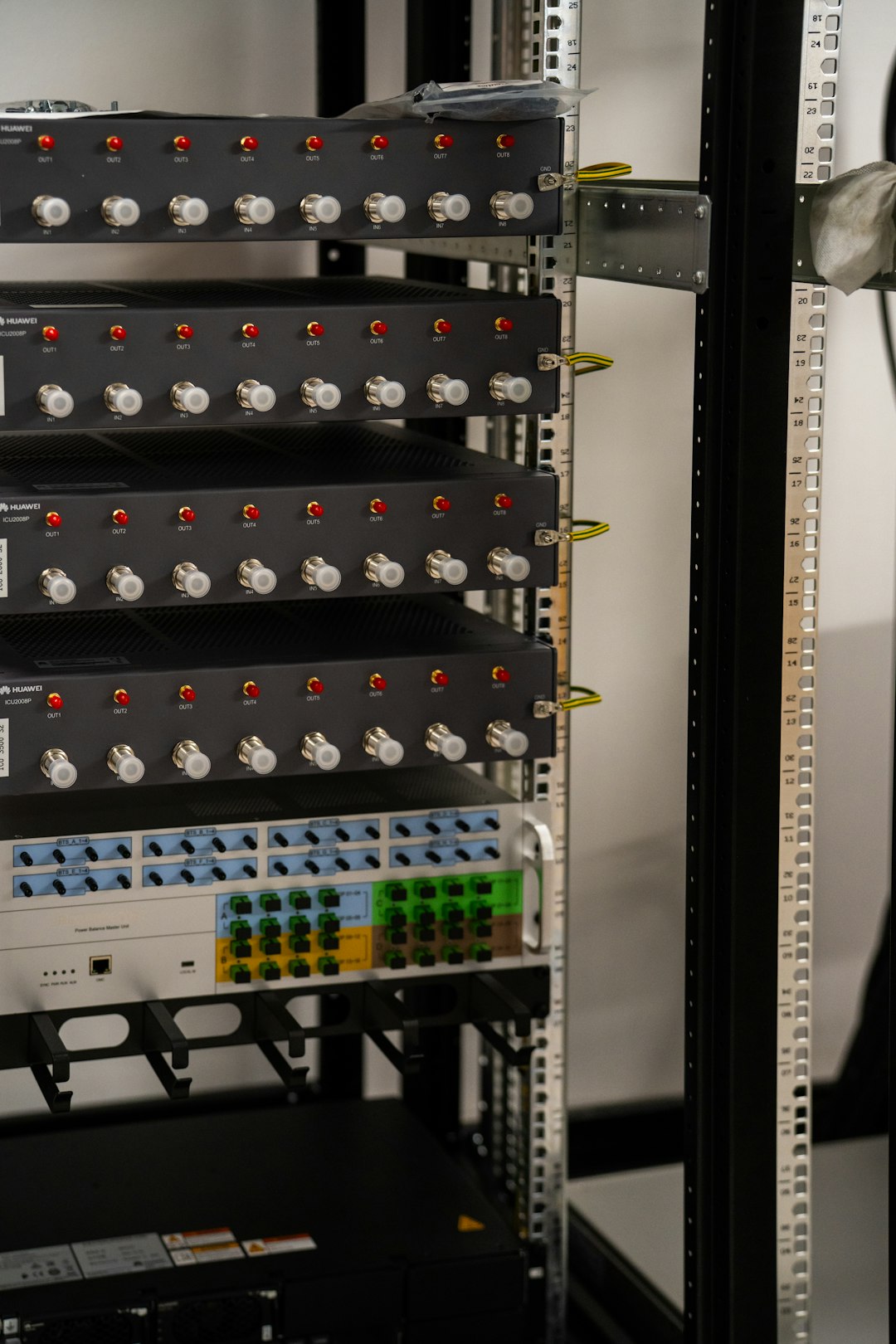
Infrastructure optimization should be balanced with reliability. Saving money by under-provisioning critical systems can lead to outages, lost revenue, and customer dissatisfaction.
Reuse Proven Components Where Appropriate
Not every feature needs to be custom-built. Authentication, payment processing, analytics, messaging, search, and customer support integrations often have reliable third-party solutions. Using mature components can reduce development time and maintenance responsibility.
However, reuse should be evaluated carefully. Teams must consider data privacy, compliance, licensing, customization limits, vendor stability, and integration complexity. A third-party service is cost-effective only if it reduces total risk and effort over time.
Measure What Matters
Cost reduction should be guided by data, not assumptions. Useful metrics include cycle time, defect rates, deployment frequency, escaped defects, cloud costs, feature adoption, and support ticket volume. These metrics help identify where money is being lost.
For example, if many defects reach production, investment in automated testing and code review may reduce total cost. If features have low adoption, requirements and product discovery may need improvement. If releases are slow and stressful, deployment automation may produce savings.
Avoid False Economies
Some cost-saving measures appear attractive but damage quality and increase long-term spending. Common false economies include:
- Eliminating testing to accelerate release.
- Skipping documentation for complex systems.
- Ignoring security until after launch.
- Choosing tools solely because they are free.
- Delaying maintenance indefinitely.
- Building custom solutions when proven alternatives exist.
Responsible cost reduction protects the product’s future. It does not transfer today’s savings into tomorrow’s crisis.
Conclusion
Reducing software development costs without sacrificing quality requires discipline, not austerity. The most effective savings come from preventing waste: unclear requirements, unnecessary scope, poor communication, unmanaged technical debt, weak testing, and inefficient infrastructure.
Organizations that plan carefully, prioritize business value, automate intelligently, and build quality into daily engineering practices can control budgets while delivering dependable software. In the long run, the cheapest software is not the software built with the fewest resources. It is the software that solves the right problem, operates reliably, and remains affordable to maintain.