


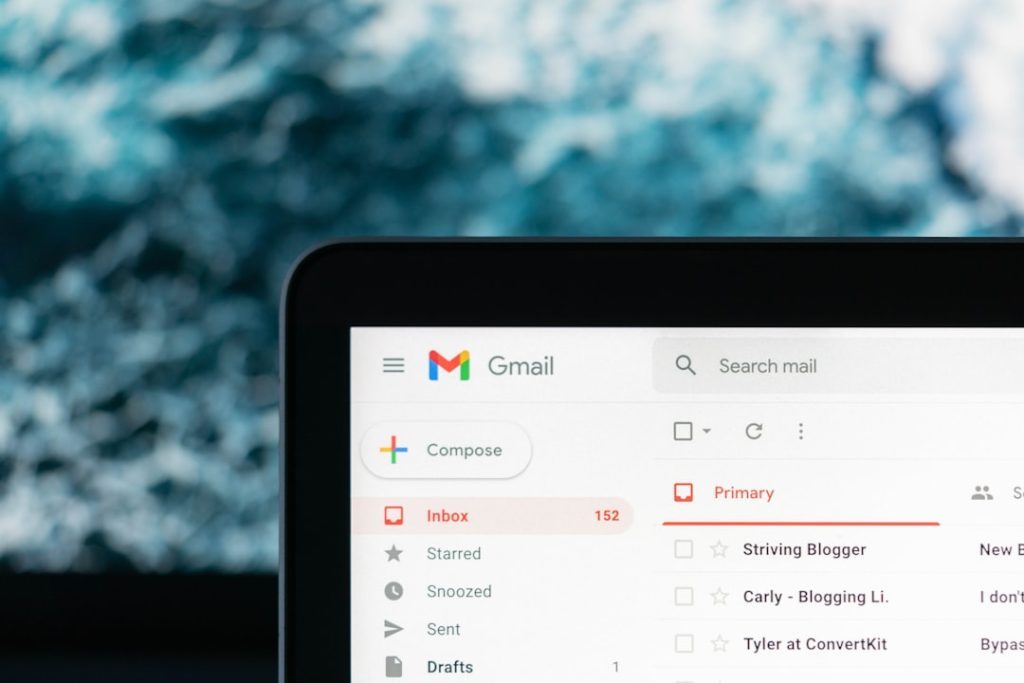
Unread email is both a signal and a source of stress. In Gmail, a bold subject line tells you something is waiting, but once your inbox has hundreds or thousands of messages, finding only the unread ones can feel like searching for a few blinking lights in a city skyline. Fortunately, Gmail gives you three practical ways to surface unread mail quickly: search operators, filters, and labels.
TLDR: The fastest way to view unread emails in Gmail is to type is:unread into the search bar. For example, if a project manager receives 120 emails per day and only 18 are unread, this search instantly narrows the workload by 85%. You can also combine searches such as from:alex is:unread, create filters to organize future unread messages, and use labels to make important unread emails easier to track.
Use Gmail Search to Show Only Unread Emails
The simplest method is Gmail’s built-in search. At the top of Gmail, click the search bar and type:
is:unread
Then press Enter. Gmail will display only messages that are currently unread across your mailbox, depending on your Gmail view and search scope. This is the quickest method because it does not require changing settings, creating folders, or installing anything.
You can also use:
label:inbox is:unread— shows unread messages only in your Inbox.in:inbox is:unread— another way to focus on unread Inbox messages.category:primary is:unread— shows unread emails in the Primary tab.is:unread newer_than:7d— shows unread emails from the last seven days.
These search operators are especially useful if you use Gmail tabs such as Primary, Promotions, Social, and Updates. Instead of opening each tab one by one, a targeted search lets you jump directly to what matters.


Combine Unread Search with Senders, Dates, and Keywords
The real power of Gmail search appears when you combine is:unread with other operators. This helps you avoid a giant list of unread newsletters when you really need one unread email from your boss, client, bank, or school.
Try these examples:
from:maria is:unread— unread emails from Maria.to:me is:unread— unread emails sent directly to you.subject:invoice is:unread— unread emails with “invoice” in the subject line.has:attachment is:unread— unread emails that include files.is:unread after:2026/01/01— unread emails after a specific date."meeting notes" is:unread— unread messages containing the exact phrase “meeting notes.”
For a busy professional, these combinations can save a surprising amount of time. If you spend just five minutes per day manually hunting for unread messages, that adds up to more than 20 hours per year. Learning a few search commands can turn email cleanup into a focused routine instead of a daily scavenger hunt.
Use the Unread Inbox Setting
If you regularly want unread emails to appear first, Gmail has a setting for that. It is called Unread first, and it changes how your Inbox is displayed.
- Open Gmail.
- Click the gear icon in the top right.
- Select See all settings.
- Go to the Inbox tab.
- Next to Inbox type, choose Unread first.
- Scroll down and click Save Changes.
After this, Gmail places unread messages in a separate section at the top of your Inbox. Read emails remain below them, so you can handle new or unattended messages first. This is ideal for people who want Gmail to behave more like a task list.
However, there is one thing to keep in mind: Unread first changes the layout of your Inbox, while is:unread is a temporary search. If you only need unread-only view occasionally, search is better. If you want unread messages prioritized all the time, the setting is usually more convenient.
Create Filters for Important Unread Emails
Gmail filters are rules that automatically act on incoming messages. Filters cannot directly create a permanent “unread-only inbox,” but they can make future unread messages easier to recognize, sort, and prioritize.
For example, suppose you want emails from an important client to stand out before you read them. You can create a filter that labels those messages as soon as they arrive.
- Click the sliders icon in Gmail’s search bar.
- Enter the sender’s address in the From field.
- Click Create filter.
- Choose actions such as Apply the label, Star it, or Never send it to Spam.
- Click Create filter again.
Now those messages can be found quickly with a search like:
label:Client is:unread
This method is excellent for sales teams, freelancers, customer support representatives, recruiters, and anyone who receives high-priority messages among less urgent email. Instead of looking through everything unread, you can view unread emails inside a specific workflow.


Use Labels to Build an Unread Workflow
Labels are one of Gmail’s most useful organization tools. Unlike traditional folders, Gmail labels can be applied to the same email multiple times. A message can be labeled Finance, Urgent, and Client at the same time.
To create a label:
- In the left Gmail menu, scroll down and click More.
- Click Create new label.
- Name the label, such as Urgent Replies or Team Updates.
- Click Create.
Once labels are in place, you can use searches like:
label:Urgent is:unreadlabel:Finance is:unreadlabel:Team is:unread newer_than:3d
This creates a flexible system for checking unread mail by context. Instead of asking, “What unread emails do I have?” you can ask, “What unread finance emails need my attention?” That small shift makes Gmail feel far more manageable.
Save Time with Bookmarked Searches
If you use the same unread searches often, you can bookmark them in your browser. First, run a search such as is:unread label:inbox. Then bookmark the results page. The next time you open that bookmark, Gmail will run the search again and show the current matching messages.
You might create bookmarks for:
- Unread Inbox —
in:inbox is:unread - Unread Client Emails —
label:Client is:unread - Unread Attachments —
has:attachment is:unread
This is a simple trick, but it can make Gmail feel customized without requiring extensions or complex settings.
Common Mistakes to Avoid
When working with unread emails in Gmail, a few small mistakes can cause confusion:
- Searching only the current tab: If you are in Promotions or Social, remember that unread emails may be elsewhere.
- Forgetting archived messages: Use
is:unreadto find unread messages outside the Inbox too. - Using too many labels: Labels are helpful, but too many can make your system harder to maintain.
- Marking everything unread: This may seem useful, but it quickly removes the meaning of “unread.”


Final Thoughts
Viewing unread emails only in Gmail is easy once you know the right tools. For a quick check, use is:unread. For a cleaner daily routine, switch to Unread first. For a more advanced system, combine unread searches with filters and labels.
The best approach is usually a combination: search when you need speed, filters when you need automation, and labels when you need structure. With a few minutes of setup, Gmail can become less of a crowded inbox and more of a clear, prioritized workspace.