



The safest route is to use licensed job data APIs or recruitment intelligence platforms first, and treat Indeed scraping as a risky backup only when compliance, data quality, and maintenance are fully planned. Indeed is one of the richest sources of hiring signals, but it is also one of the harder sites to collect from at scale without running into blocks, gaps, or policy issues.
TLDR: Indeed data is valuable, but scraping it directly can create legal, technical, and operational headaches. A staffing agency tracking 15,000 job posts per month might save 20 hours of manual research with automation, yet lose that time again fixing blocked scrapers and duplicate listings. If you need stable feeds for salary trends, hiring demand, or competitor tracking, a commercial job data API is usually cleaner. Use scraping only for narrow research tasks, and only after checking terms, privacy rules, and data usage limits.
Why companies want Indeed data
Indeed is often the first place teams check when they want to understand hiring demand. It has postings from employers, staffing firms, and aggregated sources. That makes it useful for sales teams, HR tech firms, labor market analysts, and recruiters.
Common use cases include:
- Salary benchmarking by role, market, and seniority.
- Lead generation for HR software, staffing, payroll, and training providers.
- Competitor monitoring to see who is hiring and where.
- Labor market analytics for reports, forecasts, and location planning.
- Recruitment planning based on skill demand and posting volume.
The value is clear. The messy part is collection. Indeed pages change, listings expire, duplicates pop up, and sponsored jobs can distort the view. Honestly, it feels like a simple export button should exist for research teams, but that is not how the web works.


Indeed Data APIs: what they offer
An Indeed Data API usually means one of three things. First, an official Indeed partner or employer integration. Second, a third-party job data API that includes Indeed-like job feeds or collected job postings from many boards. Third, a custom data provider that sells cleaned recruitment datasets.
Official access is limited and usually tied to advertising, applicant flow, or employer services. It is not a universal “download every job post” tool. For broad market research, most companies end up using third-party job data APIs instead.
These APIs may provide fields such as:
- Job title
- Company name
- Location and remote status
- Job description
- Salary range when available
- Posted date and expiration date
- Employment type
- Skills and keywords
- Source URL
The big benefit is structure. You get cleaner records, fewer duplicates, and fewer broken workflows. Many vendors also enrich postings with industry tags, company size, hiring velocity, and inferred skills. That can turn raw job ads into usable intelligence.
Job data scraping: what changes in practice
Job data scraping means using bots, crawlers, parsers, or browser automation to collect public job postings from websites. In theory, it sounds simple. Fetch the page, parse the HTML, store the fields. In practice, it gets annoying quickly.
The catch is that job boards are not static databases. Pages load with scripts. Search results shift. Anti-bot systems may block requests. Markup changes can break parsers overnight. A page that loaded in 1.2 seconds during testing may take 8 seconds through a browser automation stack once proxies, retries, and rendering are added.
Scraping also raises policy and legal concerns. A site’s terms may restrict automated access, reuse of content, or commercial republishing. Some data may contain personal information if resumes, names, or contact fields appear. Job posts are public, but public does not mean risk-free. Teams should get legal review before collecting at scale.
API vs scraping: the practical comparison
| Factor | Job Data API | Direct Scraping |
|---|---|---|
| Setup time | Usually faster | Can take weeks if scale is needed |
| Data quality | Often cleaned and normalized | Depends on your parser and QA |
| Cost | Subscription or usage based | Engineering, proxies, storage, monitoring |
| Reliability | Higher if vendor is strong | Breaks when pages or defenses change |
| Compliance control | Depends on vendor rights and contracts | Your team carries more responsibility |
APIs win for business reporting, product feeds, and repeatable analytics. Scraping can still make sense for small-scale research, one-off audits, or internal experiments. But if the data feeds a customer-facing product, unstable collection becomes a real business problem.

Recruitment intelligence alternatives
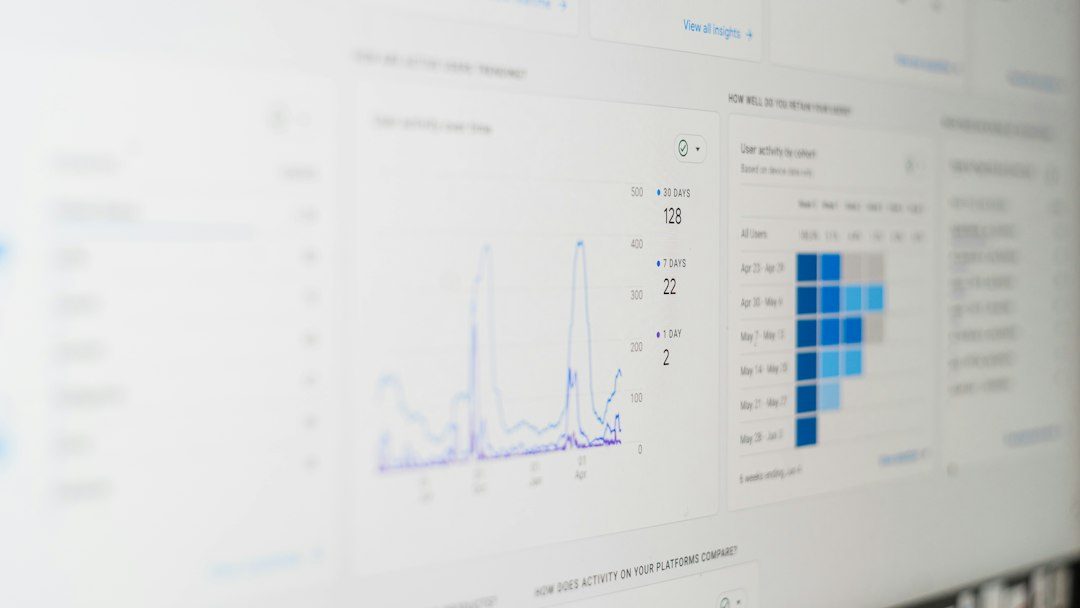
Recruitment intelligence tools sit between raw data and decision-making. Instead of handing users thousands of postings, they package insights. That may include market demand, salary movement, competitor hiring, talent supply, skill gaps, and location trends.
These platforms often pull from many sources, not just Indeed. They may include job boards, career pages, professional profiles, government labor data, ATS signals, and company firmographics. This wider mix helps reduce bias from one site.
Good recruitment intelligence platforms can answer questions like:
- Which cities show rising demand for data engineers?
- Which competitors are hiring sales reps in the Midwest?
- What skills appear in 60% of cybersecurity job ads?
- Is remote hiring increasing or shrinking for finance roles?
- Which companies posted the same role for more than 45 days?
For executives, this is more useful than raw scraping output. A CSV with 300,000 job descriptions sounds impressive until someone asks what changed last quarter. Clean charts, trend lines, and alerts usually matter more.
When scraping Indeed-like data may still fit
Scraping can be reasonable when the scope is narrow and the risk is controlled. For example, a research team may monitor 200 target companies’ public career pages to identify new openings. A founder may test demand for a niche HR product by checking role frequency across a few locations. A university may study job description language for academic research, subject to review and data minimization.
In those cases, keep the collection modest. Respect robots.txt where applicable. Avoid personal data. Do not overload servers. Store only the fields you need. Set retention limits. Add audit logs so you know what was collected, when, and why.
Expect to waste time on edge cases. Duplicate jobs can appear under slightly different titles. “Account Executive” may mean software sales in one post and accounting support in another. Salary fields may mix hourly, annual, and estimated values. Remote jobs may list “United States” while targeting only certain states. None of this is fatal, but it needs cleanup.
How to choose the right option
Start with the business question. If you need weekly hiring trends, salary ranges, and skill demand across thousands of companies, buy a licensed API or intelligence platform. If you need a short research sample, a careful scraping project may be enough. If you need candidate data, be far more cautious because privacy rules become stricter.
Ask vendors direct questions before signing:
- Where does the data come from?
- Do you have rights to provide it?
- How often is it refreshed?
- How do you remove duplicates?
- Can I see fill rates for salary, location, and company fields?
- What happens if a source blocks collection?
- Can you support deletion or retention requests?
A cheap feed with poor coverage is not cheap for long. Bad data leads to bad outreach, weak forecasts, and awkward board slides. Paying more for clean, documented data often saves weeks of cleanup.


Final recommendation
Use recruitment intelligence platforms when you need answers, job data APIs when you need structured feeds, and scraping only when you have a controlled, compliant reason to collect specific public pages. Indeed remains a valuable signal source, but treating it as the only source can skew results. The smarter approach is to combine compliant data access, strong normalization, and clear analytics goals. That gives recruiters, analysts, and sales teams information they can trust without fighting broken scrapers every Monday morning.