


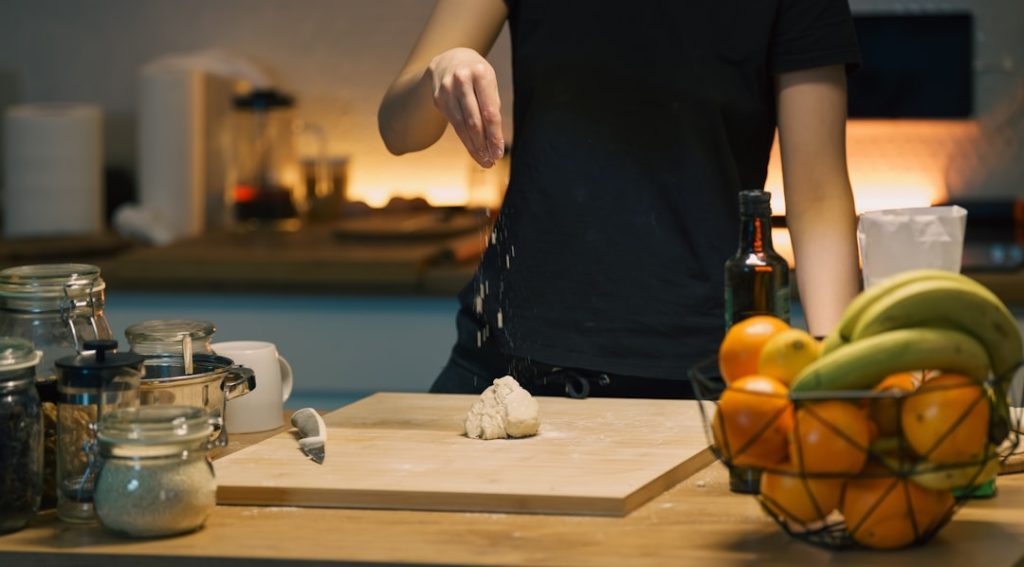
You’re in the kitchen. A recipe says “line with parchment paper.” You open the drawer. You see wax paper. You pause. Are they the same thing? It’s a common question. And the answer can save your cookies. Or your oven.
TLDR: Wax paper and parchment paper are not the same, even though they look similar. Wax paper is coated with wax and should not be used in the oven. Parchment paper is heat-resistant and safe for baking. Each has specific uses, so choosing the right one matters.
Let’s break it down in a simple way. No food science degree needed.
What Is Wax Paper?
Wax paper is paper coated with a thin layer of wax. Usually paraffin wax. Sometimes soybean-based wax.
The wax makes it:
- Moisture-resistant
- Non-stick
- Flexible
It feels slightly slippery. It looks a bit shiny. That shine is the wax coating.
It’s great when you need a barrier between food and air—or food and surfaces.
But here’s the important part.
Wax melts.
If you put wax paper in a hot oven, the wax can smoke. It can melt. It might even catch fire. That’s not the kind of “flambé” you want.


Best Uses for Wax Paper
- Wrapping sandwiches
- Lining countertops for messy prep
- Rolling out dough (on the counter, not in the oven)
- Separating layers of cookies for storage
- Covering food in the microwave (low heat only)
Think of wax paper as a cold-use helper. Not a baking tool.
What Is Parchment Paper?
Parchment paper is a different story.
It’s treated with silicone. Not wax. That silicone coating makes it non-stick and heat-resistant.
Most parchment paper is safe up to:
- 420°F
- 425°F
- Or even 450°F depending on the brand
Always check the box to be sure.
Parchment paper feels smoother and a little sturdier than wax paper. It doesn’t look as shiny.
And most importantly, it won’t melt when baking cookies.

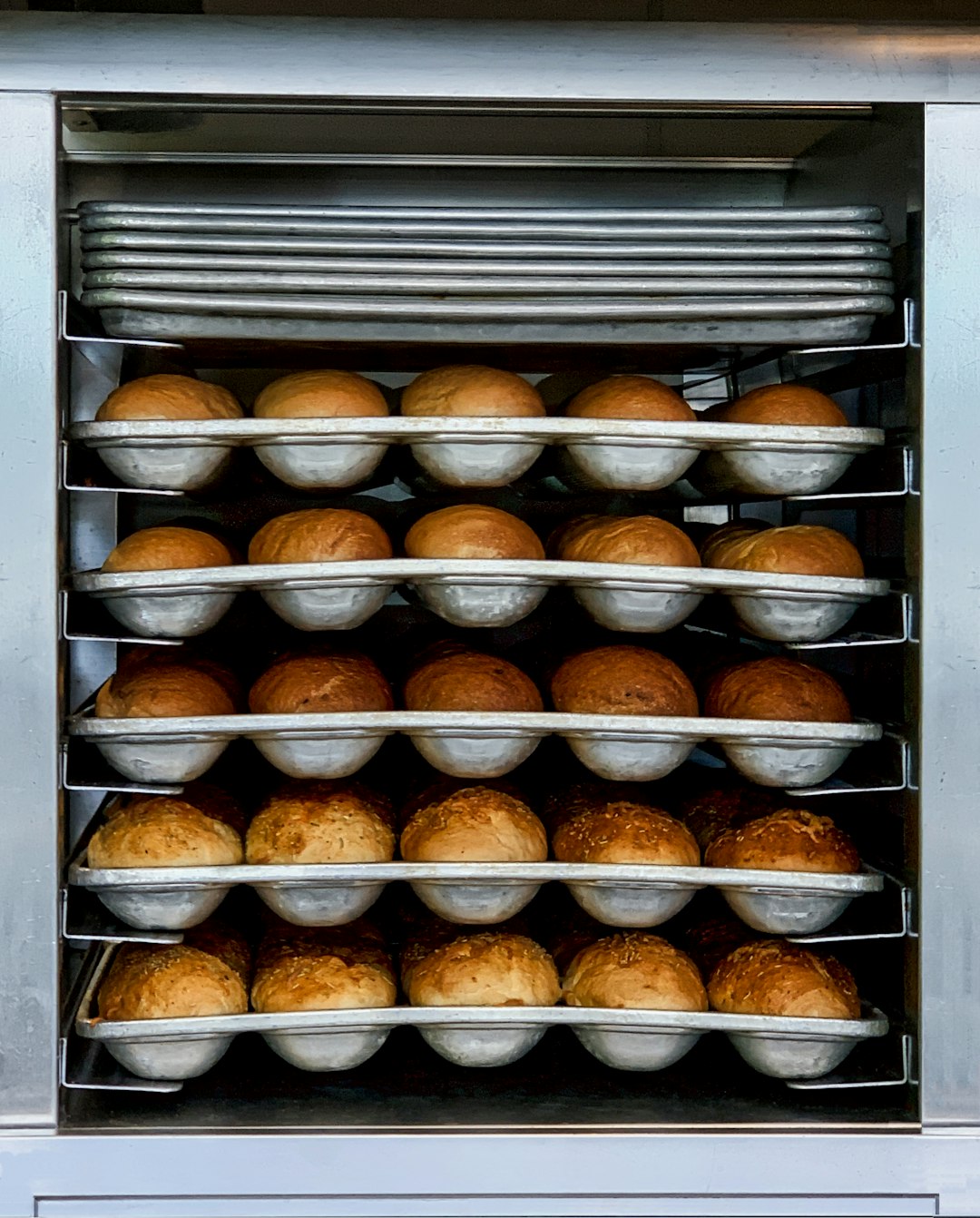
Best Uses for Parchment Paper
- Lining baking sheets
- Baking cookies
- Roasting vegetables
- Cooking fish “en papillote”
- Preventing cake layers from sticking
Think of parchment paper as your oven-safe best friend.
Key Differences at a Glance
They may sit side by side at the store. But they are built for different jobs.
| Feature | Wax Paper | Parchment Paper |
|---|---|---|
| Coating | Wax | Silicone |
| Heat Resistant | No | Yes |
| Oven Safe | No | Yes |
| Non-Stick | Yes (cool use) | Yes (high heat too) |
| Best For | Wrapping and prep | Baking and roasting |
| Microwave Safe | Sometimes (low heat) | Yes |
This simple rule helps:
If it’s going in the oven, use parchment.
3 Practical Uses You’ll Actually Need
Now let’s get practical. Here are three real-life situations where choosing correctly makes all the difference.
1. Baking Perfect Cookies
You want golden edges. Soft centers. No sticking.
Use parchment paper.
Why?
- Cookies won’t stick to the pan
- Cleanup is easy
- It prevents over-browning on the bottom
- You can reuse the sheet a few times
If you use wax paper instead, the wax can melt. It might smoke. Your cookies may taste… weird.
No one wants smoky chocolate chip cookies.
2. Wrapping Food for Storage
You just made brownies. Or sliced cheese. Or stacked deli meat.
Use wax paper.
Why?
- It keeps moisture in
- It prevents sticking
- It folds easily
- It’s budget-friendly
You can layer wax paper between burger patties before freezing. It keeps them separate. No wrestling with frozen meat discs later.
3. Roasting Vegetables Without a Mess
Roasted carrots. Crispy broccoli. Sweet potatoes.
Use parchment paper.
It can handle high oven temperatures. It prevents caramelized bits from welding themselves to your pan.
After cooking, just lift the paper and toss it. Minimal scrubbing. Maximum joy.
Image not found in postmetaCan You Ever Swap Them?
Sometimes. But not always.
When You Can Substitute
- Lining counters for decorating cookies
- Separating food layers in storage
- Rolling out dough (no heat involved)
In these cases, either one might work.
When You Should NOT Substitute
- Baking anything in the oven
- Broiling
- High-heat roasting
Wax paper plus oven equals trouble.
If you run out of parchment paper, use:
- A silicone baking mat
- Greased baking sheets
- Foil (lightly greased)
But do not grab wax paper for oven use. It’s not worth the risk.
What About Aluminum Foil?
Quick bonus comparison.
Aluminum foil can go in the oven. But it’s not non-stick unless greased.
- Great for covering dishes
- Good for roasting meats
- Not naturally non-stick
Parchment paper is better for baked goods. Foil is better for heavy-duty cooking.
How to Tell Them Apart Quickly
Standing in your kitchen. No box. Just paper.
Here’s how to know:
- Rub it between your fingers. Wax paper feels slick and slightly greasy.
- Look at the shine. Wax paper is shinier.
- Bend it. Parchment often feels stiffer.
- Check for printing. Many parchment papers are labeled oven-safe.
If you still aren’t sure, don’t risk the oven test.
Common Myths
“They’re Basically the Same.”
Nope. They may look alike. But heat changes everything.
“Wax Paper Is Fine at Low Oven Temps.”
Even moderate heat can melt wax. It’s unpredictable.
“Parchment Paper Is Only for Baking.”
Not true. You can use it for:
- Crafting
- Layering candies
- Making candy bark
- Air fryer lining (check manufacturer rules)
Cost Differences
Wax paper is usually cheaper.
Parchment paper costs a little more. Why?
- Heat-resistant coating
- More durable material
- Multi-use applications
But the difference isn’t huge. And saving your dinner from disaster? Worth it.
Eco-Friendly Considerations
Many parchment papers are compostable. Especially unbleached versions.
Wax paper is sometimes compostable too. But only if it’s not petroleum-based.
Check packaging for:
- Unbleached labels
- Compost-safe claims
- Chlorine-free processing
If sustainability matters to you, parchment often wins.
Final Thoughts
Wax paper and parchment paper are kitchen cousins. Not twins.
One handles the heat. One does not.
Remember this simple line:
Wax paper for wrapping. Parchment paper for baking.
Keep both in your kitchen. Use each for what it does best.
Your cookies will slide off the tray. Your oven will stay smoke-free. And you’ll never stand in front of that drawer wondering again.