


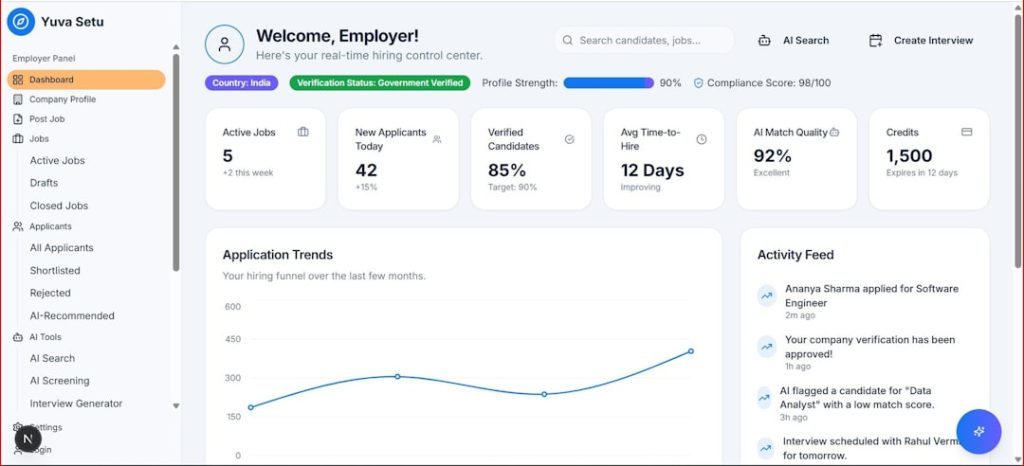
Enterprise portals have become the digital front door for employees, customers, partners, and suppliers. As large organizations modernize operations, they increasingly rely on specialized portal development companies to build secure, scalable, and highly personalized applications that connect data, workflows, and users across the business.
TLDR: Leading portal development companies help enterprises create centralized platforms for collaboration, self-service, analytics, and process automation. The strongest providers combine enterprise architecture, security expertise, user experience design, cloud engineering, and integration capabilities. Companies such as Accenture, IBM Consulting, Deloitte Digital, Capgemini, EPAM Systems, Infosys, TCS, Cognizant, HCLTech, and Globant are often considered major players for complex portal initiatives. The best choice depends on industry requirements, technology stack, budget, compliance needs, and long-term support expectations.
Why Enterprise Portal Development Matters
An enterprise portal is more than a website or internal dashboard. It acts as a unified access point for applications, content, services, reporting tools, and communication channels. A well-designed portal can reduce operational friction, improve decision-making, and deliver role-based experiences for different user groups.
For example, an employee portal may include HR services, payroll access, training resources, IT support, internal news, and collaboration tools. A customer portal may provide account management, order tracking, support tickets, invoices, product documentation, and personalized recommendations. A partner portal may support lead registration, deal tracking, marketing assets, compliance documents, and performance analytics.
Because these systems often integrate with enterprise resource planning, customer relationship management, identity management, document management, analytics platforms, and legacy databases, portal development requires deep technical planning. Leading companies are selected not only for coding ability, but also for their understanding of enterprise governance, security, scalability, and change management.

Key Qualities of Leading Portal Development Companies
The best portal development partners usually share several important characteristics. They do not simply deliver a user interface; they design a connected enterprise experience.
- Strong integration expertise: Enterprise portals must connect with systems such as SAP, Oracle, Salesforce, Microsoft Dynamics, Workday, ServiceNow, and custom legacy applications.
- Security-first development: Top firms support identity and access management, single sign-on, multi-factor authentication, data encryption, audit trails, and regulatory compliance.
- Scalable architecture: Modern portals must handle growing users, content, transactions, and integrations without performance degradation.
- User experience design: Leading providers create intuitive, accessible, and personalized interfaces for employees, customers, vendors, and administrators.
- Cloud and DevOps maturity: Enterprise portals increasingly run on AWS, Microsoft Azure, Google Cloud, or hybrid infrastructures supported by automated deployment pipelines.
- Long-term support: These applications require monitoring, upgrades, feature enhancements, security patching, and analytics-driven optimization after launch.
Accenture
Accenture is widely recognized for large-scale enterprise transformation projects. Its portal development capabilities are often part of broader digital modernization, cloud migration, customer experience, and business process transformation programs.
The company is especially strong when an organization requires global delivery, complex system integration, and industry-specific consulting. Accenture works with major enterprise platforms and cloud providers, making it suitable for corporations that need portals connected to many internal and external systems. Its experience across finance, healthcare, retail, telecommunications, public services, and manufacturing gives it the ability to design portals that support both operational efficiency and strategic growth.
IBM Consulting
IBM Consulting has a long history in enterprise software, infrastructure, artificial intelligence, and hybrid cloud. It is often considered a strong partner for organizations with demanding security, data governance, and integration requirements.
IBM’s strengths include enterprise architecture, AI-powered experiences, automation, cloud-native development, and integration with complex back-end environments. For companies already using IBM technologies, Red Hat OpenShift, or hybrid cloud models, IBM Consulting can provide significant value. Its portal projects often focus on reliability, compliance, and intelligent workflow automation.
Deloitte Digital
Deloitte Digital combines consulting, technology implementation, business strategy, and experience design. It is frequently chosen by enterprises that want portal development aligned with organizational transformation, customer experience improvement, or workforce modernization.
Deloitte’s advantage lies in connecting business advisory services with digital product delivery. A portal developed by Deloitte Digital may include employee experience platforms, customer self-service systems, partner ecosystems, or industry-specific portals. The company is particularly effective when leadership wants a portal to support measurable business outcomes rather than function as a standalone technology project.
Capgemini
Capgemini is another major global technology services firm with strong enterprise application development and system integration capabilities. It supports portals across sectors including automotive, banking, insurance, retail, energy, public sector, and manufacturing.
Capgemini is well suited for organizations seeking a balance of consulting, engineering, and managed services. Its teams can help enterprises modernize legacy portals, migrate applications to the cloud, build API-driven architectures, and improve digital experiences. The company’s global delivery model also makes it attractive for multinational organizations that need consistent portal standards across regions.


EPAM Systems
EPAM Systems is known for strong software engineering, digital platform development, and product-focused delivery. It is often selected by enterprises that want custom portals with sophisticated user interfaces, modern frameworks, and high-performance engineering.
EPAM’s strengths include agile development, experience design, cloud services, data engineering, and platform modernization. It is a strong fit for organizations that need portals to feel like polished digital products rather than traditional corporate systems. Its work often involves customer portals, employee platforms, commerce portals, and digital ecosystems requiring continuous improvement.
Infosys
Infosys provides enterprise portal development as part of its broader digital transformation, application modernization, cloud, and managed services portfolio. It has extensive experience serving large organizations that require cost-effective delivery at scale.
Infosys is often chosen for projects involving complex application landscapes, legacy modernization, data integration, and ongoing operational support. Its portal solutions may support employee self-service, procurement, customer engagement, partner collaboration, and knowledge management. The company’s global delivery capacity and process maturity are important advantages for long-term enterprise programs.
Tata Consultancy Services
Tata Consultancy Services, commonly known as TCS, is one of the largest IT services companies in the world. It supports enterprise portal development through consulting, custom software engineering, cloud transformation, cybersecurity, and enterprise application services.
TCS is a strong option for large organizations that need stability, scale, and industry depth. Its portal development teams can support banking platforms, insurance portals, healthcare systems, manufacturing dashboards, government service portals, and employee experience platforms. TCS is also frequently involved in modernization efforts where older intranets or web applications must be transformed into secure, responsive, integrated portals.
Cognizant
Cognizant offers portal development services within its digital engineering, cloud, data, and enterprise application practices. It is particularly active in healthcare, life sciences, banking, insurance, retail, and technology sectors.
Cognizant’s portal capabilities often focus on improving digital engagement, simplifying operations, and connecting fragmented enterprise systems. Its teams can build portals that support customer service, claims processing, provider collaboration, employee productivity, and partner management. For organizations with strict compliance and data privacy needs, Cognizant’s industry experience can be valuable.
HCLTech
HCLTech is known for engineering-led technology services, enterprise application modernization, cloud enablement, and digital workplace solutions. It is a practical choice for businesses that need portals integrated with collaboration tools, IT service systems, and productivity platforms.
HCLTech can support intranet portals, employee service portals, customer portals, and supplier portals. Its strengths include technical delivery, managed services, and enterprise support. Organizations seeking a long-term partner for development, enhancement, and maintenance may find HCLTech suitable, especially when the portal is part of a broader digital workplace strategy.
Globant
Globant is recognized for digital product development, experience design, and agile software delivery. It is often selected by enterprises seeking modern, engaging, and highly usable digital platforms.
Globant’s portal development approach typically emphasizes creativity, personalization, and product innovation. It can be a strong fit for customer-facing portals, employee engagement platforms, and digital ecosystems that require a refined user experience. Its background in design, engineering, AI, and digital transformation helps organizations create portals that are both functional and engaging.
Other Notable Portal Development Providers
In addition to the largest global firms, many specialized and mid-sized companies provide strong enterprise portal services. These providers may be especially attractive for organizations seeking greater flexibility, niche platform expertise, or more direct access to senior engineering teams.
- Thoughtworks: Known for agile engineering, custom software development, and digital product strategy.
- Publicis Sapient: Strong in customer experience, commerce portals, and digital business transformation.
- Wipro: Offers enterprise application development, cloud services, and portal modernization at global scale.
- LTIMindtree: Provides digital portal development, cloud integration, analytics, and enterprise transformation services.
- Perficient: Strong in digital experience platforms, healthcare, financial services, and enterprise integrations.
Common Technologies Used in Enterprise Portal Development
Leading portal development companies work with a wide range of platforms and frameworks. The right technology depends on business goals, existing systems, licensing preferences, scalability needs, and internal IT capabilities.
- Digital experience platforms: Liferay, Adobe Experience Manager, Sitecore, Optimizely, and Acquia.
- Enterprise ecosystems: Microsoft SharePoint, Microsoft Power Platform, Salesforce Experience Cloud, ServiceNow, and SAP solutions.
- Front-end frameworks: React, Angular, Vue.js, and modern component-based design systems.
- Back-end technologies: Java, .NET, Node.js, Python, and microservices architectures.
- Cloud platforms: AWS, Microsoft Azure, Google Cloud, and hybrid cloud environments.
- Integration tools: MuleSoft, Boomi, Azure Integration Services, Kafka, REST APIs, and GraphQL.


How Enterprises Should Choose a Portal Development Company
Selecting the right partner requires a careful evaluation of both technical and business factors. A company with an impressive brand name may not always be the best fit for every portal initiative. The ideal provider should understand the organization’s industry, users, technology environment, compliance obligations, and operational goals.
Decision-makers should evaluate previous portal case studies, integration experience, security practices, delivery methodology, design capabilities, post-launch support, and pricing structure. They should also consider whether the provider can guide discovery, create a product roadmap, develop prototypes, manage migration, train users, and continuously improve the portal after launch.
For highly regulated enterprises, security and compliance should be prioritized from the beginning. For customer-facing portals, usability and personalization may be especially important. For employee portals, adoption, content governance, mobile access, and integration with HR and IT systems often drive success.
Benefits of Working with a Leading Portal Development Company
A strong portal development partner can help an enterprise avoid fragmented systems, poor adoption, security gaps, and expensive rework. With the right strategy and execution, a portal can become a central operating layer for the organization.
- Improved productivity: Users can access tools, information, and workflows from one location.
- Better user experience: Personalized interfaces reduce confusion and increase engagement.
- Lower support burden: Self-service features can reduce calls, emails, and manual administrative work.
- Stronger governance: Centralized rules help manage content, data access, roles, and compliance.
- Enhanced analytics: Portal usage data can reveal user behavior, service gaps, and process bottlenecks.
- Future scalability: Modern architecture allows new services, regions, and user groups to be added over time.
Final Thoughts
Enterprise portal development is a strategic investment that can reshape how an organization delivers services, shares information, and manages digital interactions. Leading providers such as Accenture, IBM Consulting, Deloitte Digital, Capgemini, EPAM Systems, Infosys, TCS, Cognizant, HCLTech, and Globant bring the experience required for large, complex programs.
The best company is not simply the largest or most famous. It is the one that can align technology with business goals, design a portal users will actually adopt, integrate securely with enterprise systems, and support the platform over its full lifecycle. When chosen carefully, a portal development partner can help turn a scattered digital environment into a connected, efficient, and future-ready enterprise experience.
FAQ
What is an enterprise portal?
An enterprise portal is a centralized digital platform that gives users access to applications, content, data, services, and workflows. It may serve employees, customers, suppliers, partners, or multiple user groups.
Which companies are considered leaders in portal development?
Commonly recognized leaders include Accenture, IBM Consulting, Deloitte Digital, Capgemini, EPAM Systems, Infosys, TCS, Cognizant, HCLTech, and Globant. The best choice depends on the enterprise’s goals, industry, budget, and technology stack.
How long does enterprise portal development take?
A basic portal may take a few months, while a large enterprise portal with complex integrations, migration, personalization, and compliance requirements may take six months to more than a year.
What features should an enterprise portal include?
Common features include secure login, role-based access, content management, search, dashboards, integrations, self-service tools, notifications, analytics, workflow automation, and mobile responsiveness.
How should an organization choose a portal development partner?
The organization should assess industry experience, technical expertise, integration capabilities, security practices, UX design quality, project methodology, references, and post-launch support services.
Are custom portals better than platform-based portals?
Neither option is automatically better. Custom portals offer flexibility, while platform-based portals can accelerate delivery and provide built-in capabilities. The right approach depends on business requirements, internal resources, and long-term maintenance plans.