



In an era of escalating cyber threats, data breaches, and aggressive online tracking, tools that promise anonymity and security have become essential rather than optional. Among the most commonly discussed solutions are proxies and virtual private networks (VPNs). While they are often mentioned interchangeably, they are fundamentally different technologies designed to solve distinct problems. Understanding the technical and security differences between them is critical for anyone serious about safeguarding their digital footprint.
TLDR: Both proxies and VPNs reroute your internet traffic, but they differ significantly in security and scope. VPNs encrypt all device traffic, offering broader protection against hackers, surveillance, and data interception. Proxies typically route traffic for a single application and often lack encryption, making them less secure but sometimes faster and more lightweight. For comprehensive privacy and security, a VPN is generally the stronger choice.
Understanding How Proxies Work
A proxy server acts as an intermediary between your device and the internet. When you use a proxy, your requests are sent to the proxy server first, which then forwards them to the destination website. The website sees the proxy server’s IP address instead of your own.

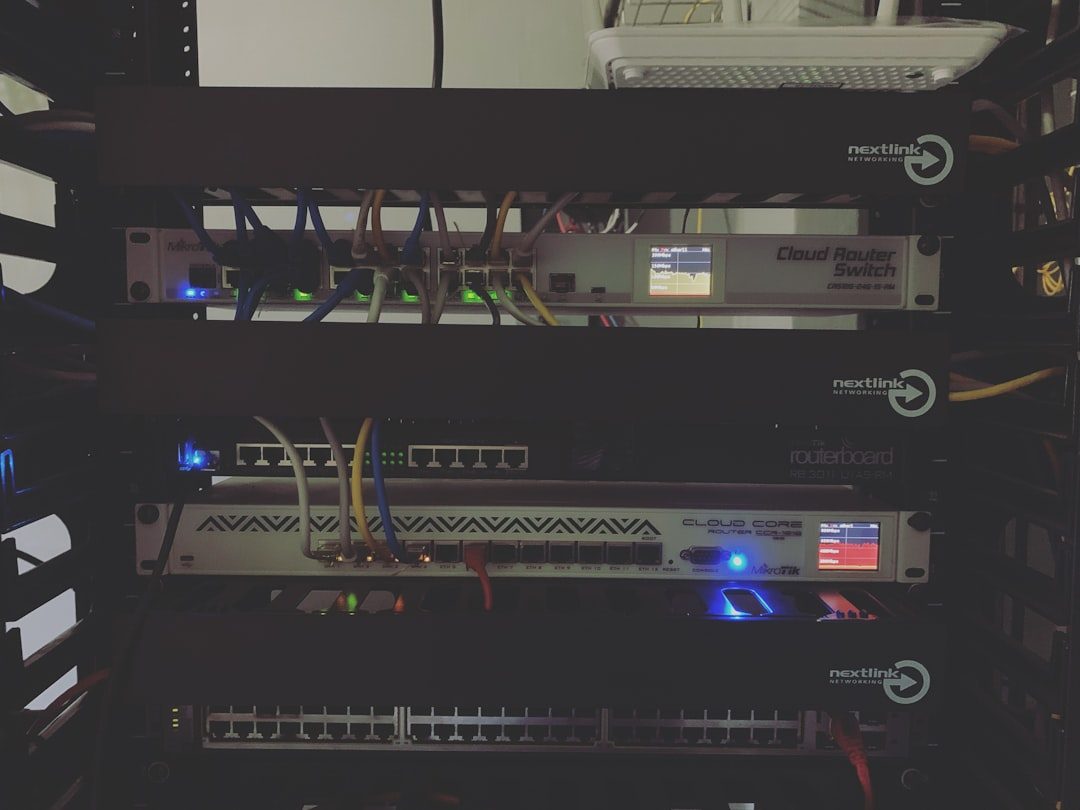
Proxies are typically configured at the application level, such as within a web browser or specific program. This means only the traffic from that configured application passes through the proxy. Other internet activity from your device remains unaffected.
Key characteristics of proxies:
- IP masking: Hides your original IP address.
- Application-level routing: Usually protects only one application.
- Optional encryption: Many proxies do not encrypt traffic.
- Performance-focused: Often used for speed, scraping, or accessing geo-blocked content.
There are several types of proxies, including HTTP proxies, HTTPS proxies, and SOCKS proxies. While HTTPS proxies can support encrypted connections, the security level depends heavily on configuration and the proxy provider’s trustworthiness.
Understanding How VPNs Work
A Virtual Private Network (VPN) also routes your traffic through an intermediary server. However, the similarity largely ends there. Unlike most proxies, a VPN creates an encrypted tunnel between your device and the VPN server. All data passing through this tunnel is secured using strong cryptographic protocols.


Importantly, VPNs operate at the operating system level. This means all internet traffic from your device — browsers, apps, email clients, cloud backups — is routed through the VPN.
Key characteristics of VPNs:
- Full-device protection: Covers all applications by default.
- Strong encryption: Uses protocols like OpenVPN, WireGuard, or IKEv2.
- IP masking: Replaces your IP address with the VPN server’s address.
- Security-focused infrastructure: Designed specifically for privacy and data protection.
Because VPNs encrypt traffic before it leaves your device, they protect against eavesdropping on public Wi-Fi networks and reduce the risk of man-in-the-middle attacks.
Core Security Differences
When evaluating which technology offers better security, it is necessary to examine encryption, scope of protection, data logging practices, and vulnerability exposure.
1. Encryption
The most significant difference is encryption. Most proxies do not encrypt data. They may hide your IP address, but your internet service provider (ISP), network administrator, or a malicious actor on a public Wi-Fi network can still see your browsing activity.
VPNs, on the other hand:
- Encrypt data before transmission.
- Prevent ISPs from inspecting traffic content.
- Protect sensitive activities like online banking or business communications.
In security terms, encryption is non-negotiable. Without it, IP masking alone does not equate to comprehensive privacy.
2. Scope of Coverage
A proxy’s protection is typically limited to the configured application. If you set up a proxy in your browser, your browser traffic may be routed correctly, but other applications could bypass the proxy entirely.
A VPN enforces system-wide routing. This reduces the risk of:
- Accidental IP leaks.
- Unprotected background data transfers.
- Unsecured app connections.
From a risk mitigation standpoint, VPNs provide more consistent and reliable coverage.
3. Data Logging and Trust
Both proxies and VPNs rely on an intermediary server. Therefore, your privacy partly depends on the provider’s policies.
However, the proxy market is less regulated and often less transparent. Many free proxies log user behavior, inject advertisements, or monetize browsing data. VPN providers, particularly reputable paid services, commonly advertise:
- No-log policies.
- Independent security audits.
- Jurisdictional transparency.
This does not mean all VPNs are trustworthy, but the professional VPN industry generally prioritizes privacy in ways that many proxy services do not.
Performance Considerations
Security often comes at the cost of speed. Encryption adds overhead because data must be encoded and decoded.
Proxies may offer:
- Lower latency in some use cases.
- Improved speeds for web scraping or automation.
- Lightweight configuration.
VPNs may:
- Slightly reduce speeds due to encryption.
- Require more system resources.
- Introduce minimal latency depending on server distance.


That said, modern VPN protocols like WireGuard have significantly reduced performance gaps. For most users, the security benefits outweigh minor speed differences.
Security Risk Comparison Chart
| Feature | Proxy | VPN |
|---|---|---|
| IP Address Masking | Yes | Yes |
| Encryption | Usually No | Yes (Strong Encryption) |
| Device-Wide Coverage | No (App-Specific) | Yes |
| Protection on Public WiFi | Limited | Strong |
| Risk of Data Logging | High with Free Services | Varies, Lower with Reputable Providers |
| Ease of Setup | Simple | Moderate |
| Typical Use Cases | Geo access, scraping | Privacy, security, remote work |
Use Case Scenarios
Determining which tool offers “better” security depends partly on the context in which it is used.
When a Proxy May Be Sufficient
- Accessing region-restricted content without handling sensitive data.
- Web scraping or automation tasks.
- Testing website functionality from different IP addresses.
In these cases, encryption may not be essential, and operational efficiency might be prioritized.
When a VPN Is the Superior Choice
- Using public Wi-Fi networks.
- Handling financial transactions.
- Protecting sensitive communications.
- Maintaining privacy from ISPs and network administrators.
- Remote work involving corporate systems.
In these scenarios, encrypted system-wide protection significantly reduces exposure.
Common Misconceptions
Misconception 1: Proxies and VPNs are the same.
They both reroute traffic, but their architecture and security capabilities differ meaningfully.
Misconception 2: IP masking equals anonymity.
Without encryption, your activity may still be visible to other entities.
Misconception 3: Free solutions are good enough.
Free proxies and VPNs often monetize users through logging, ads, or bandwidth resale. In security matters, the business model matters.
Which One Offers Better Security?
From a strictly security-focused standpoint, VPNs offer superior protection. The inclusion of strong encryption, device-wide coverage, and advanced security protocols places VPNs ahead of most proxy services.
Proxies serve specific operational purposes effectively, particularly where encryption is unnecessary and performance is critical. However, for individuals concerned about surveillance, cybercrime, data theft, or secure remote access, proxies alone are insufficient.
It is important, however, to emphasize that a VPN is not a cure-all. It does not:
- Make users completely anonymous.
- Prevent phishing attacks.
- Replace antivirus software.
- Eliminate the need for safe browsing practices.
Security should always be layered. A reliable VPN combined with strong passwords, multi-factor authentication, and updated software forms a far more resilient defense than any single tool.
Final Assessment
Both proxies and VPNs have legitimate places in modern networking. However, when the primary criterion is security — particularly protection against interception, surveillance, and data compromise — VPNs clearly provide a more comprehensive and robust solution.
Proxies can be useful for specific tasks requiring flexibility and speed. Yet they should not be mistaken for full security tools. Organizations and individuals evaluating their risk profile should consider the sensitivity of the data they handle, the networks they use, and the adversaries they may face.
In a digital environment where breaches and exploits are routine, relying solely on IP masking is no longer sufficient. Encryption, system-wide coverage, and trustworthy infrastructure define true online security — and in most cases, that means choosing a reputable VPN over a standard proxy.