


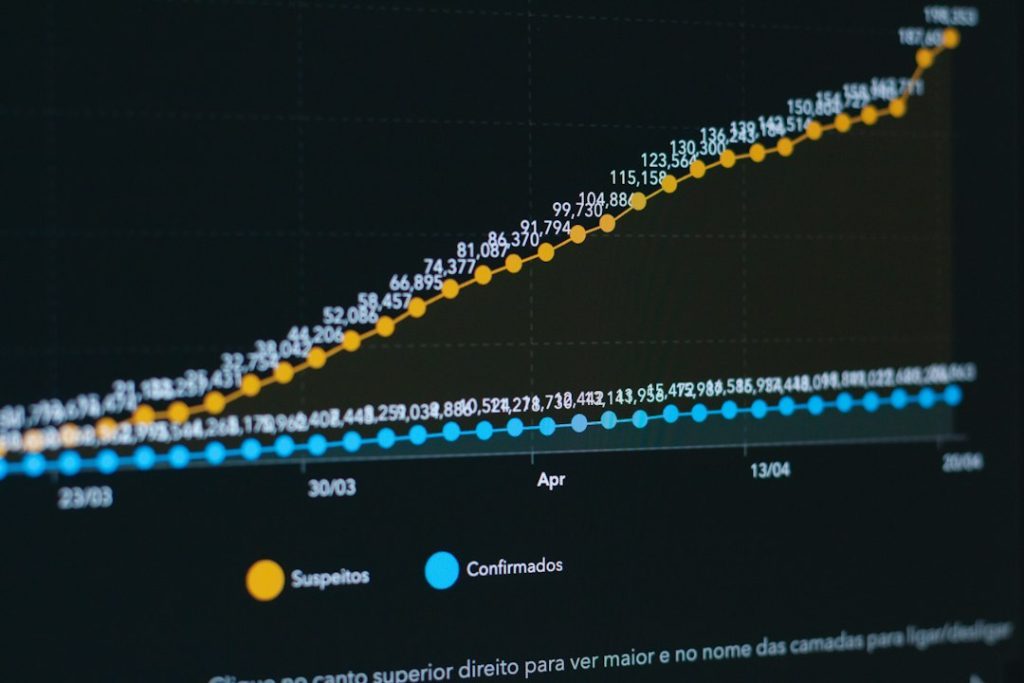
Choose Clari when forecast accuracy is a board-level problem; choose Salesforce when your team needs forecasting inside the CRM it already runs every day. Other AI revenue platforms can help, but the best choice depends on data quality, sales process maturity, and how much inspection your managers need before committing a number.
TLDR: Clari is usually stronger for enterprise revenue forecasting, pipeline inspection, and commit governance. Salesforce is better when CRM adoption is high and leaders want one system for records, reporting, and forecasts. For example, a 200-rep SaaS company with $60 million in annual recurring revenue might use Clari to reduce forecast variance from 18% to 7% over two quarters, while Salesforce Forecasting may be enough for a 40-rep team with clean opportunity stages and simpler sales cycles.
Why sales forecasting tools matter
Revenue forecasting is no longer just a spreadsheet exercise. Boards want confidence. CFOs want early warnings. CROs want to know which deals are real and which ones are “happy ears” in the CRM.
The problem is simple: most pipeline data is messy. Reps forget to update close dates. Managers sandbag. Late-stage deals slip without warning. AI platforms try to spot these problems by reading CRM fields, emails, meetings, engagement history, call notes, stage movement, and historical win patterns.
The catch is… AI only helps when the underlying sales process is disciplined. Bad stages, fake close dates, and missing next steps still produce bad forecasts, only faster.


Clari vs Salesforce: the core difference
Clari is built as a revenue operations and forecasting platform. Its strength is giving sales leaders a clear view of pipeline health, forecast categories, deal risk, and revenue movement over time. It is popular with larger B2B companies that need a formal weekly forecast process.
Salesforce is the system of record. Its forecasting features sit close to accounts, opportunities, activities, and reports. That is useful. Teams do not need to jump between tools as often. Salesforce also has AI features through Einstein and broader automation through the Salesforce platform.
The practical split is this:
- Clari is better for forecast discipline: commit tracking, rollups, inspection, and executive review.
- Salesforce is better for CRM-native work: opportunity management, reporting, approvals, and record ownership.
- Clari is often stronger for revenue teams: sales, customer success, renewals, and expansion visibility.
- Salesforce is often simpler for smaller teams: fewer tools, fewer integrations, lower operational burden.
Where Clari wins
Clari’s biggest advantage is forecast inspection. A CRO can see what changed since last week, which deals moved out, which reps changed their commit, and which opportunities have weak activity signals. That matters when the board asks, “Why did the number move?”
Clari also does well with pipeline coverage. It helps leaders compare current pipeline against past conversion rates. If a team needs 3.5x pipeline coverage to hit $10 million next quarter, Clari can show whether that coverage is real or bloated.
Another benefit is revenue cadence. Weekly forecast calls become more structured. Managers can inspect changes by region, segment, product, or rep. This creates a cleaner operating rhythm.
It drives me crazy that some forecasting tools bury deal movement behind slow reports. Clari is better than most here. Leaders can usually get to the “what changed?” answer without waiting through a chain of exports and pivots.
Where Salesforce wins
Salesforce wins when the sales organization wants fewer systems. Forecasts live closer to the opportunity record. That means less context switching for reps and managers. If the CRM is already well configured, Salesforce Collaborative Forecasts and Einstein Forecasting can be practical and cost-effective.
Salesforce also benefits from its ecosystem. Admins can create custom fields, approval flows, dashboards, and automations. Finance, marketing, sales ops, and service teams can work from the same data model.
There is a tradeoff. Salesforce forecasting can feel rigid if the organization needs more advanced revenue inspection. Custom reporting can fill some gaps, but expect to waste time on extra dashboard maintenance if the process is complex. In some setups, it takes four or five clicks to answer a question Clari puts on one screen.

How other AI platforms compare
Gong is strong when conversation intelligence drives the forecast. It analyzes calls, emails, and buyer engagement. Gong Forecast can help managers see whether a deal has real buyer activity or just rep optimism. It is especially useful for teams that already use Gong for call coaching.
Aviso focuses on AI-driven forecasting, relationship intelligence, and revenue risk. It can suit enterprise teams that want predictive scoring and broader revenue views. Some buyers see it as a Clari alternative when they want deeper AI modeling.
BoostUp is another revenue intelligence platform. It offers forecasting, pipeline risk, activity capture, and deal inspection. It is often considered by mid-market and enterprise teams that want a modern interface and solid CRM integration.
People.ai is useful when activity capture is the weak point. It helps connect rep activity to opportunities and accounts. That can improve forecasting indirectly by making CRM data more complete.
Anaplan is different. It is better known for planning, territory models, quota planning, and financial modeling. It is not a direct replacement for Clari or Salesforce forecasting, but it can support revenue planning at scale.
Comparison table
| Platform | Best fit | Main strength | Main concern |
|---|---|---|---|
| Clari | Enterprise and high-growth B2B teams | Forecast governance and deal inspection | Extra system and cost |
| Salesforce | Teams committed to CRM-native workflows | System of record and customization | Forecast depth may require admin work |
| Gong | Sales teams using call and email intelligence | Buyer engagement signals | Forecasting value depends on activity capture |
| Aviso | Enterprise teams seeking predictive AI | Risk scoring and revenue intelligence | Implementation can be involved |
| BoostUp | Mid-market and enterprise revenue teams | Pipeline visibility and activity tracking | Needs clean CRM mapping |
What accuracy should you expect?
No serious vendor can promise perfect forecasts. A realistic goal is to reduce variance and spot risk earlier. If a company usually misses quarterly forecast by 15% to 25%, a mature process supported by Clari, Salesforce Einstein, Gong, or Aviso might cut that miss range to 5% to 10% over time.
Results depend on three things:
- CRM hygiene: Close dates, stages, amounts, and next steps must be current.
- Historical volume: AI needs enough past deals to find patterns.
- Manager behavior: Forecast calls must focus on evidence, not gut feeling.
A team with 30 opportunities per quarter will get less predictive value than a team with 3,000 opportunities. Data volume matters. So does consistency.
How to choose the right platform
Start with the forecast pain. If executives cannot trust the commit number, Clari deserves a serious review. If the issue is poor CRM adoption, fix Salesforce process first. Adding AI on top of ignored records will not save the quarter.
For sales teams with heavy call volume, Gong may provide the missing signal. If reps have plenty of pipeline but weak buyer engagement, conversation and email data can expose risk earlier than CRM fields alone.
For revenue operations teams, ask these questions before buying:
- Can the platform explain why the forecast changed?
- Does it track deal movement week over week?
- Can managers inspect risk without building manual reports?
- Does it support new business, renewals, and expansions?
- Will reps actually update the fields the model needs?

Bottom line
Clari is the stronger choice for serious revenue forecasting when sales leadership needs discipline, visibility, and accountability. Salesforce remains the safer default when the CRM is clean, the process is simple, and the business wants to keep forecasting close to opportunity management.
Other AI platforms are not just side options. Gong, Aviso, BoostUp, and People.ai can be very effective when matched to the right pain point. The best system is the one that makes forecast risk visible early enough for leaders to act, not just explain the miss after the quarter ends.