


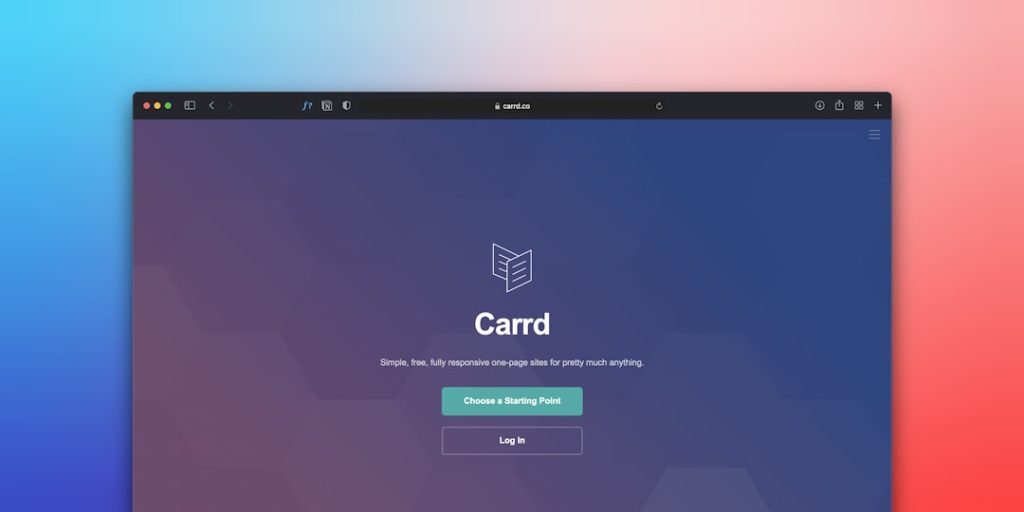
The internet is like a giant city. Every website is a building in that city. Some are shops. Some are offices. Some are galleries. Some are cozy little diaries with coffee stains and strong opinions.
TLDR: Websites come in many types, and each one has a job. A business website helps people trust a company, an ecommerce site sells products, and a portfolio shows off creative work. For example, a local bakery could use a 5-page business website to share opening hours, photos, and reviews, while an online store could help it sell 30% more birthday cakes each month. Pick the website type based on what you want visitors to do next.
Choosing the right website type can feel confusing at first. But it is not magic. It is more like picking the right outfit. You would not wear a scuba suit to a wedding. Probably. In the same way, you should not build a blog when you really need an online store.
Let’s walk through the most common types of websites. We will keep it simple, fun, and useful.


1. Business Websites
A business website is the digital home of a company. It tells people who you are, what you do, and why they should care. Think of it as your online front desk. It works all day. It does not ask for lunch breaks.
Business websites are great for:
- Local shops
- Restaurants
- Consultants
- Agencies
- Service providers
A good business website usually has a few key pages. These include a home page, about page, services page, contact page, and maybe testimonials. If you run a plumbing company, visitors want fast answers. They want to know your service area, prices, phone number, and if you can fix a sink before their kitchen becomes a lake.
Best for: Building trust and getting leads.
2. Ecommerce Websites
An ecommerce website sells things online. Simple. It is a store that lives on the internet. Visitors can browse products, add items to a cart, pay, and wait excitedly by the door.
Ecommerce websites can sell:
- Clothes
- Books
- Digital downloads
- Furniture
- Pet snacks shaped like tiny steaks
These sites need product pages, photos, prices, shipping details, payment options, and clear return policies. Good ecommerce design removes doubt. If a shopper is confused, they leave. If buying feels easy, they stay.
Imagine a candle maker selling at weekend markets. With an ecommerce site, they can sell while sleeping. Very fancy. Very useful. The website can also track popular scents. If “Vanilla Thunderstorm” gets 400 views and 70 sales, that is a clue. Make more Vanilla Thunderstorm.
Best for: Selling products or services directly online.
3. Portfolio Websites
A portfolio website is a personal showcase. It says, “Look what I can do!” But in a classy way. It is perfect for creatives and professionals who need to prove their skills with real examples.
Portfolio websites are common for:
- Designers
- Photographers
- Writers
- Artists
- Developers
- Architects
A portfolio should be clean and easy to explore. The work is the star. Do not hide it behind too many clicks. Show your best projects, not every project since the dawn of time. Nobody needs to see your 2012 poster for “Sock Awareness Week” unless it was amazing.
Add short project descriptions. Explain the goal, your role, and the result. If your redesign helped a client get 45% more signups, say so. Numbers make your work feel real.
Best for: Getting hired, booked, or noticed.

4. Blog Websites
A blog is a website built around articles. It can be personal, professional, funny, educational, or all of those things at once. Blogs are great for sharing ideas and attracting visitors through search engines.
Blogs can cover topics like:
- Travel
- Food
- Parenting
- Fitness
- Business tips
- Movie reviews
Blogs work best when they are updated often. That does not mean every hour. Please sleep. But a steady schedule helps. One useful article per week can build traffic over time.
A blog can also support another website type. For example, a garden center could write posts like “How to Keep Basil Alive Indoors”. People find the article, trust the advice, and then buy soil, pots, and tiny plant labels they did not know they needed.
Best for: Sharing knowledge and growing search traffic.
5. Landing Pages
A landing page is a focused page with one main goal. It does not try to do everything. It wants one action. Sign up. Buy now. Download this guide. Book a call. That is it.
Landing pages are often used for ads, product launches, events, and email campaigns. They are short, sharp, and direct. Like a tiny digital salesperson with excellent posture.
A strong landing page usually has:
- A clear headline
- A short explanation
- Benefits
- Proof, such as reviews or numbers
- A bold call to action
Best for: Campaigns and conversions.
6. Educational Websites
An educational website teaches people something. It may offer courses, tutorials, quizzes, videos, worksheets, or guides. Schools use them. Coaches use them. Companies use them for training.
These sites should feel organized. Nobody wants to learn math while trapped in a menu maze. Lessons should be easy to find. Progress should be clear. Buttons should not play hide and seek.
Educational websites can be free, paid, or a mix of both. A cooking teacher might offer free recipes and paid video classes. A language tutor might share grammar tips and sell private lessons.
Best for: Teaching, training, and building authority.
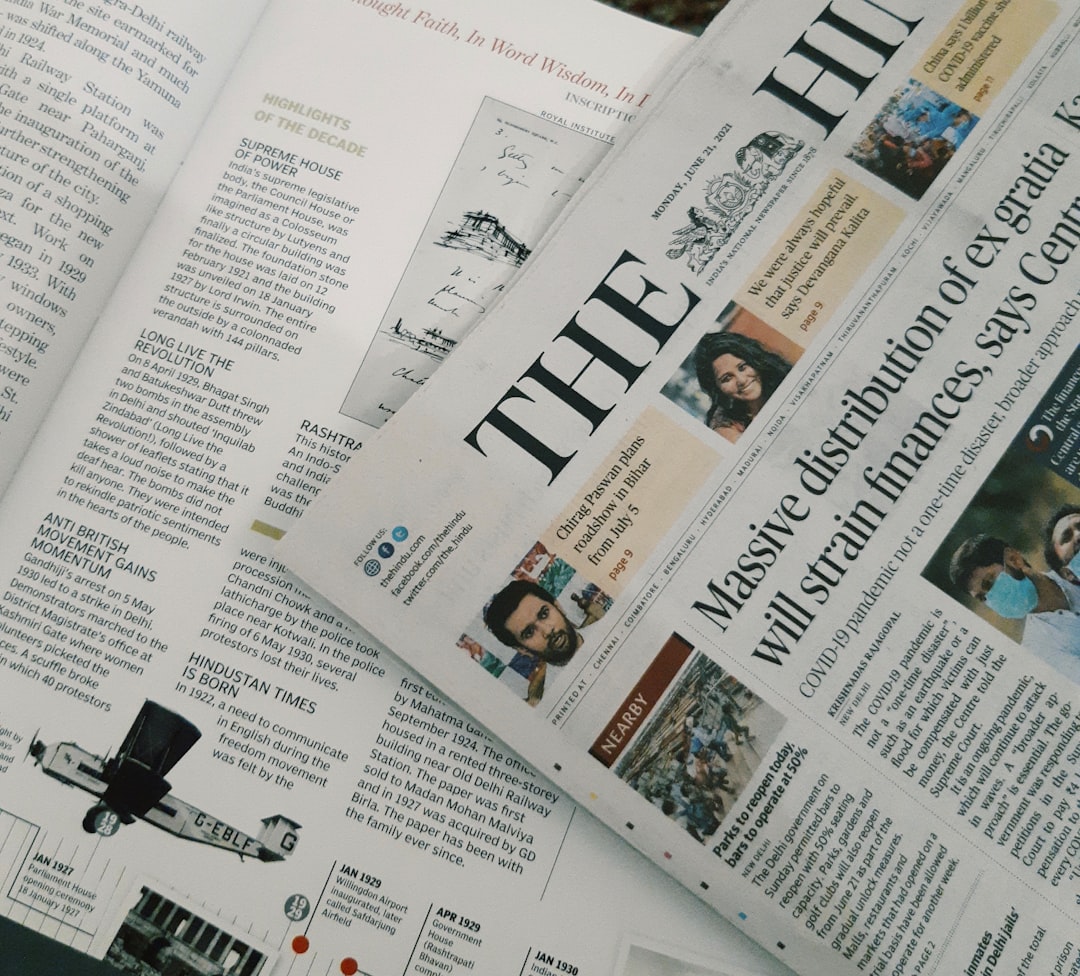
7. News and Magazine Websites
News and magazine websites publish lots of fresh content. They may cover world news, sports, fashion, tech, celebrity gossip, or niche hobbies. Yes, there is probably a magazine site for rare spoons. The internet is large.
These websites need strong categories, search tools, and readable layouts. Since they often have many articles, organization matters a lot. Readers should be able to jump from one story to the next without feeling lost.
Many news sites make money through ads, subscriptions, memberships, or sponsored content.
Best for: Publishing frequent updates and articles.

8. Nonprofit Websites
A nonprofit website helps an organization share its mission. It explains the cause and invites people to help. That help may come through donations, volunteering, signing petitions, or attending events.
These websites should be emotional, clear, and trustworthy. Visitors need to understand the problem and the impact of their support. For example, “$25 feeds one shelter dog for a week” is stronger than “Please donate.” It feels real.
Important pages include mission, programs, impact stories, donation forms, and contact details.
Best for: Raising support and inspiring action.
9. Community and Forum Websites
A community website brings people together. Members can ask questions, share stories, post advice, or discuss shared interests. Forum websites are a classic version of this.
Communities can be about anything. Fitness. Coding. Parenting. Gaming. Antique teapots. Again, the internet is large and oddly specific.
These websites need user profiles, posting tools, rules, moderators, and notifications. A good community feels safe and active. A bad one feels like a food fight with usernames.
Best for: Building loyal groups around shared interests.
How to Choose the Right Website Type
Start with one simple question: What do you want visitors to do?
- If you want them to call you, build a business website.
- If you want them to buy products, build an ecommerce website.
- If you want them to admire your work, build a portfolio website.
- If you want them to read and learn, build a blog.
- If you want one specific action, build a landing page.
You can also mix types. Many websites do. A photographer may have a portfolio, a blog, and a booking page. A bakery may have a business website with ecommerce for cake orders. A coach may use blog posts, courses, and landing pages together.
The best website is not the fanciest one. It is the one that helps visitors quickly understand, trust, and act. Keep it clear. Keep it friendly. Keep it useful.
Final Thought
Websites are tools. Each type has a different job. Some sell. Some teach. Some show. Some connect. Pick the one that matches your goal, and your website will feel less like a puzzle and more like a plan.
And remember: your website does not need to do everything on day one. Start simple. Make it helpful. Then let it grow. Like a houseplant, but with fewer mysterious brown leaves.