



Driving on the road requires a keen understanding of various traffic signs and markings. Among these, zigzag lines often cause confusion for motorists unfamiliar with their specific purpose. While they may appear decorative or random, zigzag lines serve crucial functions related to road safety, pedestrian awareness, and traffic regulation.
TLDR: What Do Zigzag Lines on the Road Mean?
Zigzag lines are primarily used near pedestrian crossings and indicate that no parking, stopping, or overtaking is allowed in the area. These markings improve safety by providing clear visibility for both pedestrians and drivers. In most countries, violating zigzag line regulations can result in fines or penalty points. Recognizing and respecting these lines is vital for promoting safer roads and reducing accidents.
Understanding the Purpose of Zigzag Road Markings
Zigzag road markings are not arbitrary embellishments; they are meticulously designed to serve precise safety functions. Typically located near pedestrian crossings or school zones, these markings act as visual warnings to alert drivers that they are entering a sensitive area where pedestrians are likely to be present.
The primary purposes of zigzag lines include the following:
- Warning Drivers: Zigzag lines inform drivers to exercise extra caution as they may be approaching a pedestrian crossing.
- Improving Visibility: By prohibiting parking or stopping, zigzag areas reduce visual obstructions near crossings.
- Reducing Risk of Accidents: Freeing up the area around crossings helps both pedestrians and drivers see each other clearly, lowering the risk of collisions.

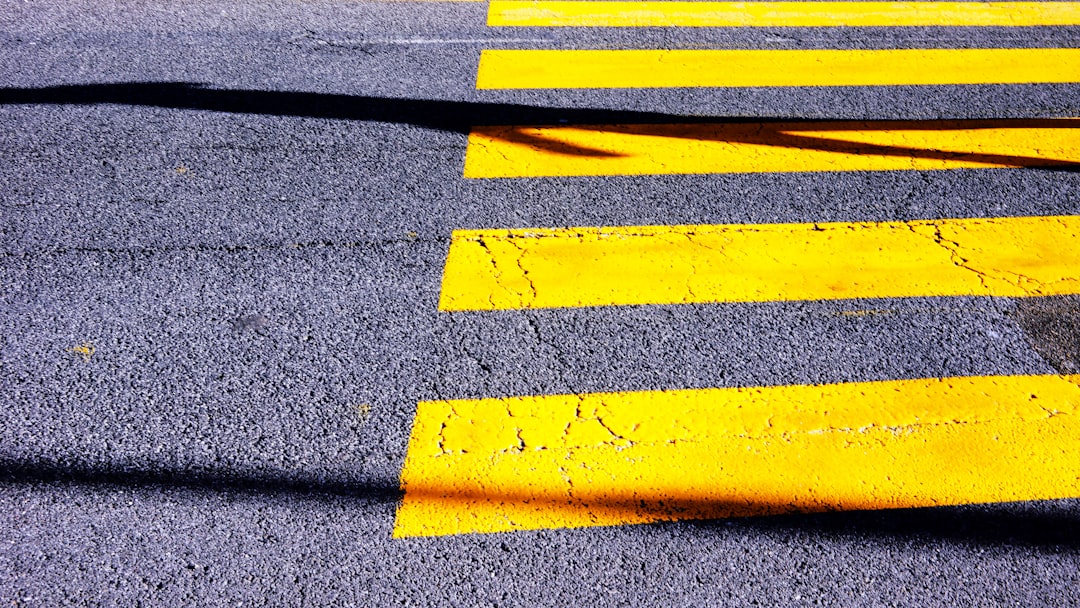
Where Zigzag Lines Are Most Commonly Found
Drivers are most likely to encounter zigzag lines in areas where pedestrian activity is high or where visibility is especially critical. Though the specific locations may vary depending on the country, common placement includes:
- Before and after pedestrian crossings: These are the most recognizable zigzag zones
- School zones: To ensure children can cross safely with good visibility for both parties
- Near traffic signals where visibility of the signal might be obstructed: Parking prohibitions enhance sightlines
It’s important for drivers to be aware that these areas typically have strict enforcement, with authorities issuing fines or citation tickets for any violations.
What Drivers Must Not Do on Zigzag Lines
The restrictions on zigzag lines are unambiguous in most road rulebooks. Generally, drivers are not permitted to:
- Park their vehicles
- Stop temporarily, even to drop off or pick up passengers
- Overtake other vehicles
These rules exist not simply as guidelines, but as enforceable laws. For example, in the UK, stopping on zigzag markings near a pedestrian crossing can lead to a fine and penalty points on a driving license. Similar penalties apply in many other countries around the world.
In some scenarios, buses or emergency vehicles may be exempt while in service or on duty, but for private vehicles, no such leniency is usually granted.
Design and Appearance of Zigzag Lines
While the structure of zigzag lines might vary slightly between regions, they are almost universally white and consist of a repeating ‘Z’ pattern that runs along both sides of a pedestrian crossing. Typically, the lines will extend both ahead of and past the crossing to guide drivers in both directions to take extra caution.

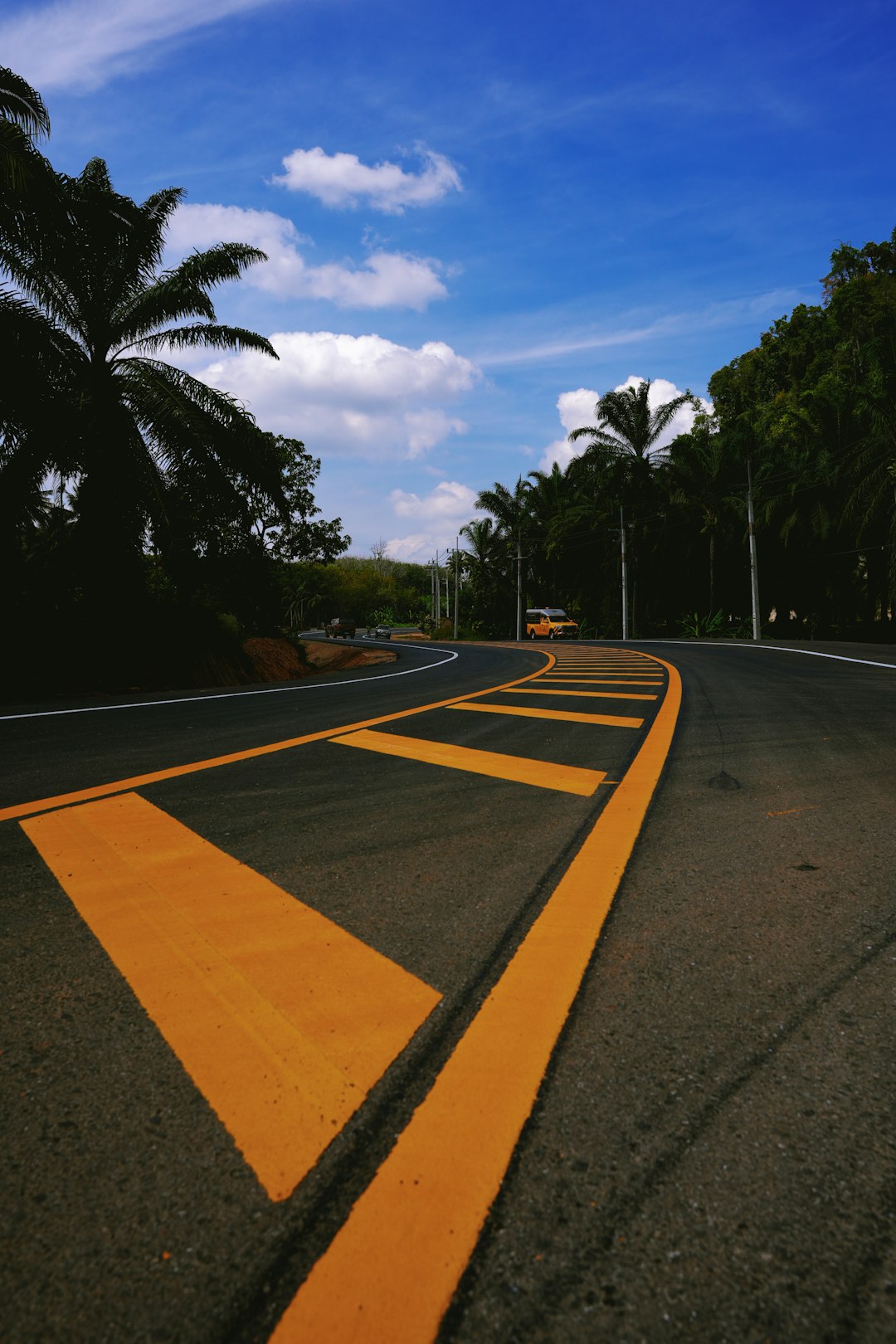
Understanding these markings relies heavily on driver education and regional traffic regulation awareness. Some areas, for instance, have solid zigzag lines, while others may feature broken zigzags. Each variation may carry different implications regarding what is allowed and forbidden.
International Variations and Interpretations
While the purpose of zigzag lines is largely consistent, their design and corresponding regulations can differ depending on the country. Below is a look at how different regions implement these markings:
- United Kingdom: White zigzag lines near crossings make it illegal to park or overtake. There is no need for accompanying signage to enforce the rules.
- Australia: Lines are similarly placed near crossings and are enforced with strict no-stopping rules around schools and intersections.
- United States: While the ‘zigzag’ format is less commonly seen, similar visual cues such as ‘No Parking’ or ‘Clear Zone’ markings serve the same function.
- India and parts of Europe: Use both painted lines and physical structures like rumble strips to get drivers’ attention along with signage.
Understanding the local road rules before driving in a new region is always advisable to prevent unintended penalties.
Why Zigzag Lines Are Essential for Road Safety
Zigzag lines dramatically enhance road safety by improving visibility for both drivers and pedestrians. They encourage reduced speeds near crossings and eliminate the unpredictable behavior that results from parked or idling vehicles obstructing views.
According to research from various road safety organizations, clearly marked pedestrian areas with unobstructed views reduce accident rates significantly. In this context, zigzag lines offer a low-cost, high-visibility method to increase driver awareness without requiring additional infrastructure.
In short, they serve as a visual cue to “expect the unexpected.”
Consequences of Ignoring Zigzag Markings
Failure to observe zigzag rules can carry serious consequences, not only legal but also in terms of safety. Common penalties include:
- Fines ranging from moderate to substantial amounts
- License penalty points or even disqualification
- Increased insurance premiums
- Causing accidents due to poor visibility
In fatal or serious accidents occurring near ignored zigzag markings, drivers may also face liability or even criminal charges, depending on the outcome and local laws.
What the Future Holds for Zigzag Markings
As urban populations and pedestrian activity increase, so does the need for effective traffic control. Zigzag markings are likely to become more common in high-density areas and may even evolve through the use of reflective paint, LED lighting, or smart road technologies.
Urban planners and traffic engineers continue to experiment with ways to enhance visibility and compliance. For instance, some cities have started integrating raised crossings or motion-activated signals along with the zigzags to compel driver attention.
FAQs About Zigzag Lines on Roads
- Q: Are zigzag lines legally enforceable without a sign?
A: Yes, in many countries such as the UK, zigzag lines are enforceable without the need for an accompanying sign. - Q: Can I stop on zigzag lines to drop someone off?
A: No, stopping even momentarily can be considered a violation and subject to penalties. - Q: Are zigzag lines always white?
A: In most countries, yes. However, colors may vary in some regions or may complement other visual signals. - Q: Can bicycles ignore zigzag markings?
A: No, all vehicles including bicycles must adhere to the rules surrounding zigzag lines. - Q: How long do zigzag lines typically extend?
A: They usually run for about 15–20 meters on either side of the crossing, depending on local traffic laws.
Understanding and respecting zigzag lines adds to safer road usage for everyone. These lines, while simple in design, carry powerful implications for protecting lives on the road.