


Paper Jamz Pro is often discussed among musicians, hobbyists, and parents looking for an accessible digital music device. One of the most common and important questions potential users ask is simple yet essential: what file format does Paper Jamz Pro support? Understanding file compatibility ensures that users can prepare, transfer, and play music without frustrating errors or wasted time.
TLDR: Paper Jamz Pro primarily supports standard compressed audio formats, most notably MP3. This format is widely compatible with computers and digital music libraries, making file transfer straightforward for most users. Other formats such as WAV or lossless files may require conversion before use. Ensuring files are correctly encoded and named properly helps avoid playback issues.
Understanding Paper Jamz Pro’s Core Audio Format Support
At its core, Paper Jamz Pro is designed to be simple, user-friendly, and broadly compatible. For that reason, it supports MP3 (MPEG-1 Audio Layer III) as its primary file format. MP3 remains the most widely adopted compressed audio format worldwide, making it a practical choice for a music device aimed at convenience and accessibility.
The advantage of MP3 support includes:
- Universal Compatibility: Nearly every computer, smartphone, and digital audio workstation can create or export MP3 files.
- Reasonable File Sizes: MP3 compression significantly reduces file size without severely compromising audio quality.
- Simple File Transfers: MP3 files can be dragged and dropped directly into compatible storage systems.
Because MP3 is so standardized, users rarely encounter compatibility issues when preparing music for Paper Jamz Pro.
Does Paper Jamz Pro Support Other Audio Formats?
While MP3 is the primary supported format, users often wonder whether they can load other file types such as:
- WAV
- AAC
- FLAC
- WMA
- OGG
In most cases, Paper Jamz Pro does not natively support these alternative formats. If you attempt to load unsupported file types, the device may fail to recognize them or skip playback entirely. This limitation is not uncommon in compact digital music devices, which often rely on streamlined firmware to keep costs down and performance stable.
Fortunately, converting unsupported formats into MP3 is straightforward and can be done using widely available software.
Image not found in postmeta
Why MP3 Was Chosen as the Supported Format
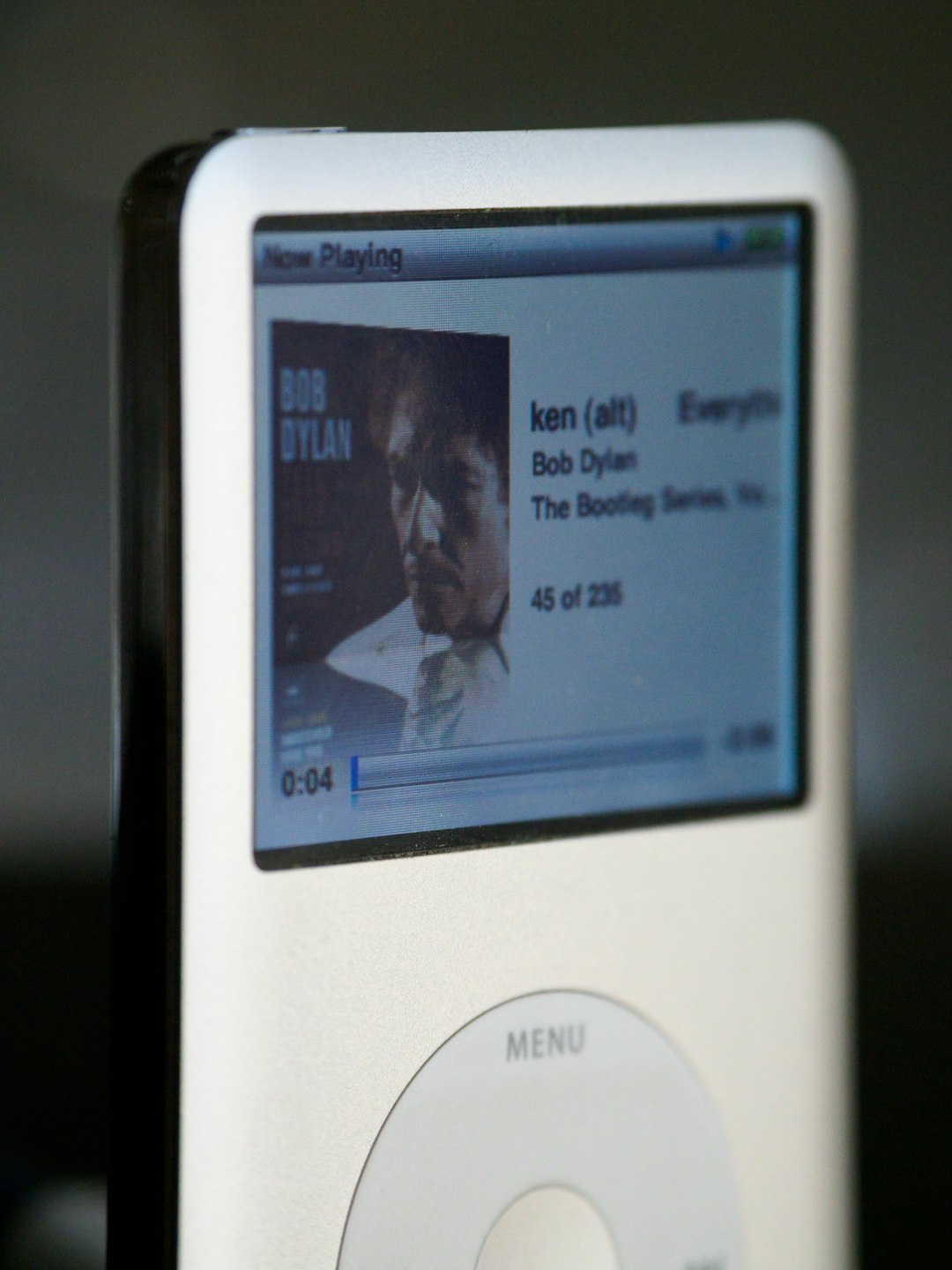
The decision to support MP3 is not accidental. From an engineering and consumer standpoint, MP3 offers several functional benefits:
- Efficient Storage Usage
Since MP3 files are compressed, they occupy far less space than uncompressed formats like WAV. This allows more songs to fit within limited storage capacity. - Low Processing Requirements
MP3 decoding requires minimal computational power compared to some newer codecs, which helps extend battery life and reduce hardware strain. - Standardized Encoding
Decades of development have made MP3 highly predictable and stable, minimizing firmware complexity.
These reasons make MP3 the logical format for a device positioned as practical and dependable rather than studio-grade.
Recommended MP3 Specifications for Best Performance
Even within the MP3 standard, there are variables that can impact performance. While Paper Jamz Pro generally supports common MP3 encodings, optimal results come from using:
- Bitrate: 128 kbps to 320 kbps
- Sample Rate: 44.1 kHz
- CBR (Constant Bit Rate): Preferred for maximum compatibility
Extremely high bitrates or unusual encoding settings may occasionally result in playback glitches on devices designed primarily for mainstream compression standards.
How to Convert Unsupported Files to MP3
If your music library includes WAV, FLAC, AAC, or other file types, conversion to MP3 is necessary. This process is reliable and typically does not require expensive tools.
Common conversion solutions include:
- iTunes (Apple Music App): Built-in MP3 conversion feature.
- VLC Media Player: Free, cross-platform conversion tool.
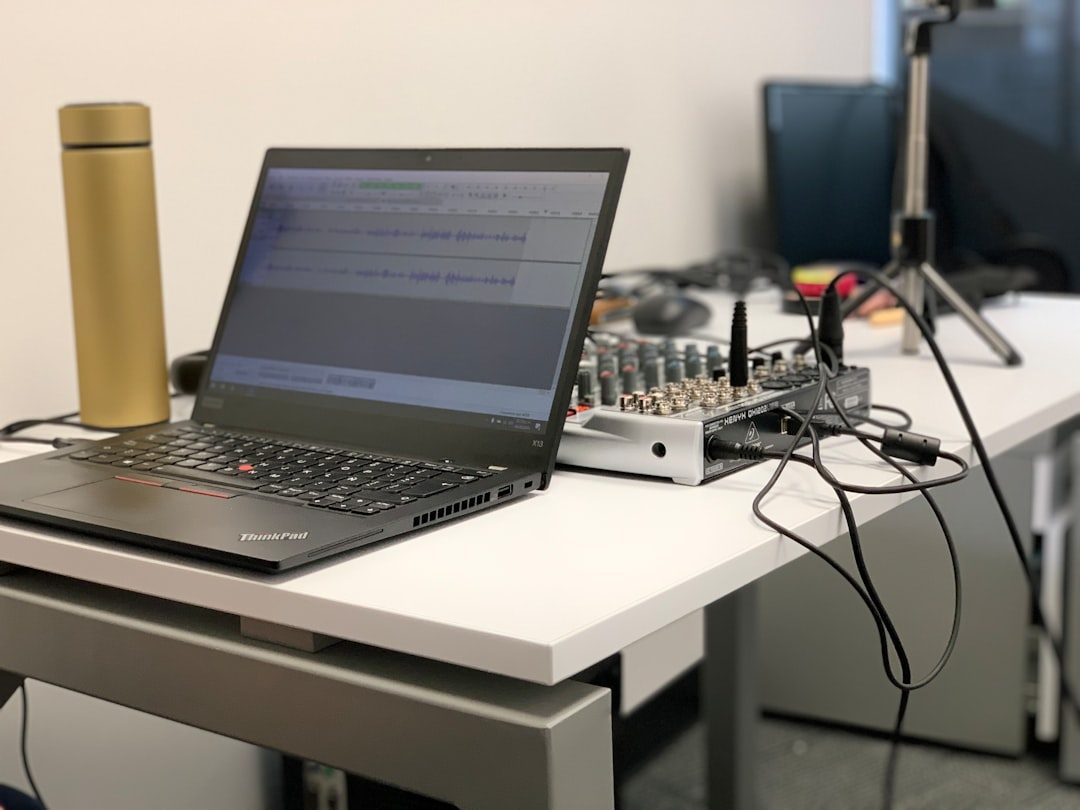
- Audacity: Professional-grade free audio editor with MP3 export.
- Online Converters: Web-based solutions for quick file changes.
Comparison Chart: Popular MP3 Conversion Tools
| Tool | Cost | Platform | Ease of Use | Best For |
|---|---|---|---|---|
| iTunes / Apple Music | Free | Mac, Windows | Very Easy | Basic library conversion |
| VLC Media Player | Free | Mac, Windows, Linux | Easy | Quick one-off conversions |
| Audacity | Free | Mac, Windows, Linux | Intermediate | Users needing audio editing |
| Online Audio Converters | Free / Freemium | Web-based | Very Easy | No software installation |
For users who prioritize security and sound quality control, desktop software is generally preferable to online services.
Image not found in postmeta
File Transfer Considerations
Beyond format compatibility, successful playback also depends on how files are transferred. Paper Jamz Pro typically connects via USB, allowing users to move MP3 files directly from their computer to the device’s storage.
To ensure smooth performance:
- Use high-quality USB cables.
- Avoid excessively long file names.
- Avoid special characters in file names.
- Safely eject the device before disconnecting.
Improper transfers can sometimes corrupt files, leading to playback errors that may appear to be format-related.
Quality Expectations: MP3 vs. Lossless Formats
One question that arises frequently is whether MP3 sacrifices too much sound quality compared to WAV or FLAC. Technically, MP3 is a lossy format, meaning some audio data is permanently removed during compression. However, at bitrates of 192 kbps and above, most casual listeners cannot perceive a difference in everyday listening scenarios.
Since Paper Jamz Pro is not a professional studio monitoring system, MP3 provides more than adequate clarity for its intended use. Supporting lossless formats would increase hardware demands and storage requirements without delivering substantial benefit to most users.
Image not found in postmeta
Troubleshooting Playback Problems
If an MP3 file does not play, the issue may not be the format itself. Consider the following troubleshooting steps:
- Verify Encoding: Re-export the file in standard 44.1 kHz CBR format.
- Check for File Corruption: Attempt playback on a computer first.
- Rename the File: Use simple alphanumeric characters.
- Re-transfer the File: Delete and copy it again.
In most cases, reconverting the file to a fresh MP3 resolves compatibility issues.
Storage and File Organization Best Practices
Because storage capacity may be limited, efficient file organization is important. Consider these best practices:
- Keep files organized in clearly labeled folders.
- Use consistent bitrate settings for a balanced library.
- Remove duplicate tracks to save space.
- Maintain backup copies on your computer.
These habits extend device usability and ensure a smoother playback experience.
Final Verdict
Paper Jamz Pro supports MP3 as its primary and most reliable audio file format. While it does not natively accommodate WAV, FLAC, or other lossless formats, conversion to MP3 is fast, simple, and accessible using common software tools. The choice of MP3 reflects a deliberate balance between sound quality, file size efficiency, and hardware practicality.
For most users, the limitation is minor. By preparing properly encoded MP3 files at standard settings, you can expect consistent performance and dependable playback. Understanding file formats may seem technical, but in the case of Paper Jamz Pro, the solution is refreshingly straightforward.