



In the ever-evolving landscape of digital communication, countless messaging apps have risen and fallen. Among the earliest attempts at creating a unified, web-based communication tool was Google Talk, also affectionately known as “GChat.” Born in the mid-2000s, this service embodied Google’s early ambitions to simplify online messaging and bring seamless connectivity directly into users’ digital lives.
TL;DR: Google Talk was a chat application introduced by Google in 2005 that allowed users to send instant messages from their desktops or Gmail accounts. Built on open protocols like XMPP, it was praised for its simplicity and compatibility. Google Talk was eventually phased out and replaced by modern communication platforms like Hangouts and Google Chat. The journey of Google Talk offers a unique glimpse into the evolution of internet messaging.
How It All Started: The Rise of Google Talk
Launched in August 2005, Google Talk was Google’s first official entry into the world of instant messaging (IM). At the time, the IM landscape was dominated by heavyweights like AOL Instant Messenger (AIM), Yahoo! Messenger, and MSN Messenger. Google saw an opening to make chat conversations simpler, cleaner, and integrated into its growing web ecosystem.
One of the key innovations of Google Talk was its integration with Gmail. Users were able to chat with their email contacts without switching platforms—a feature that felt revolutionary in 2005. Additionally, Google Talk used the XMPP (Extensible Messaging and Presence Protocol), an open protocol that allowed interoperability with other platforms that supported the same standard.
Image not found in postmeta

Key Features That Made Google Talk Stand Out
Unlike its more flashy competitors, Google Talk was minimalistic. But its strength lay in its core functionality and reliability. Some of the notable features included:
- Text-based chat: Simple and intuitive, it allowed users to send and receive messages in real-time with anyone on their Gmail contact list.
- Voice calling: Google Talk supported VoIP (Voice over Internet Protocol), enabling users to make free voice calls to one another.
- Offline messaging: Messages sent while a user was offline were received when they logged back in—a feature that wasn’t yet common across all messaging platforms.
- Multi-platform support: Users could access Google Talk on desktop clients, inside Gmail, and through a downloadable standalone client.
- Interoperability: Because of its use of XMPP, users could also connect using third-party IM apps like Pidgin or Adium.
Integration with Google Ecosystem
As Google diversified its online services, Google Talk was embedded across a growing number of platforms. Users could chat in Gmail, sync status messages with Google+, and eventually access their conversations through Android devices.
This deep integration made it easier than ever to hold casual or even work-oriented conversations directly through one’s existing Google account. At one point, some services even allowed Google Talk to run through external websites via embeddable chat “gadgets.”
Image not found in postmeta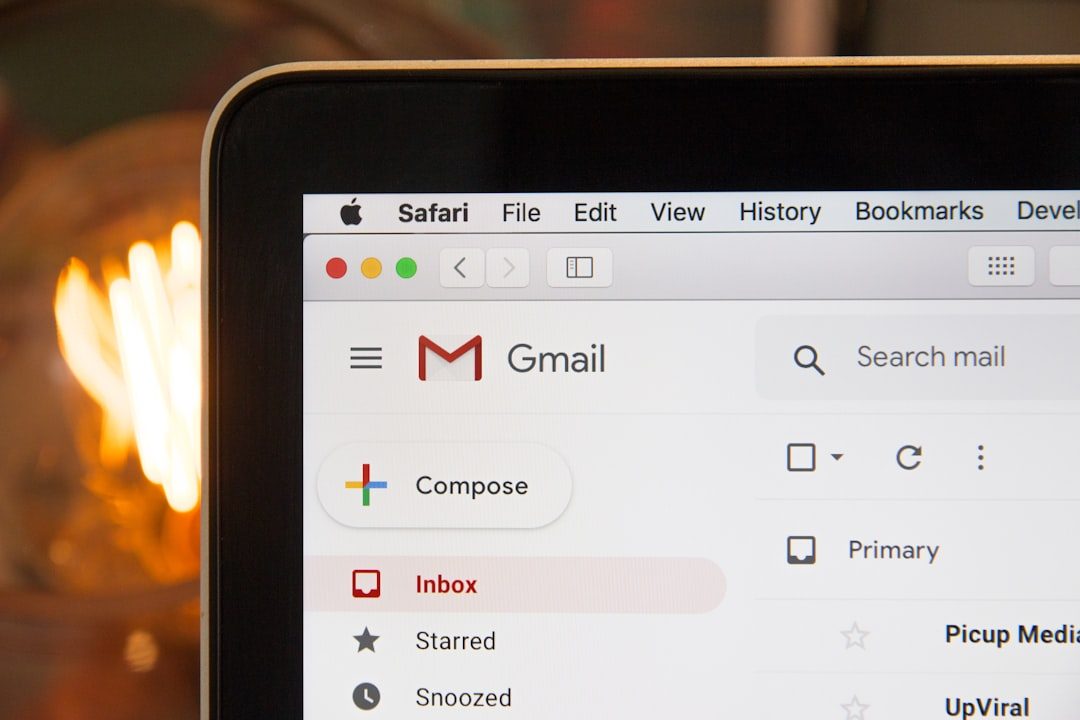
Security and Privacy
Despite being a relatively simple tool, Google Talk did take basic steps towards security:
- Encryption standards: Google Talk encrypted user-to-server communication using Transport Layer Security (TLS), though end-to-end encryption was not implemented.
- Spam filters: Leveraging Google’s technology, the chat platform included built-in filters to spot and prevent spam contacts.
In retrospect, these security measures were fairly basic, especially in comparison to today’s standards that prioritize end-to-end encryption and enhanced authentication mechanisms.
The Beginning of the End
By the late 2000s and early 2010s, users began demanding richer media integration in chat—including video calls, group conversations, file sharing, and emojis. While Google Talk kept a loyal user base, its stripped-down format began to feel outdated compared to newer, mobile-friendly apps like WhatsApp, Viber, and Facebook Messenger.
Recognizing this shift, Google started laying the groundwork for a new messaging service. In 2013, Google introduced Google Hangouts, a product that merged communication across Google Talk, Google+ Messenger, and Google’s video chat features. Hangouts carried forward much of Google Talk’s DNA but with a modern interface and fully integrated video and group chat functionalities.
Discontinuation and the Transition to Modern Messaging
Though Google Hangouts became the new default for users, Google Talk remained active for years, particularly for those who preferred or required XMPP support. However, this came to an end in June 2017, when Google officially retired the Google Talk app in favor of Hangouts and, subsequently, Google Chat.
Here’s a brief timeline of the transition:
- 2013: Google Hangouts replaces Google Talk as the default chat in Gmail.
- 2015: Google disables XMPP federation for new users, limiting interoperability.
- 2017: Google Talk timeline ends officially; users are migrated to Hangouts.
While Hangouts tried to unify communication, it too faced many hurdles. Eventually, Google introduced Google Chat and Google Meet as part of its enterprise-oriented shift under Google Workspace.
Why Google Talk Mattered
Google Talk is often fondly remembered for its simplicity and reliability. In an age when many messaging tools were bloated with ads or feature-heavy interfaces, Google Talk provided a lean, focused way to communicate—especially for professionals and tech-savvy users who appreciated XMPP support.
Here’s why Google Talk still matters in tech history:
- Fueled protocol openness: Its reliance on XMPP helped advocate for more open communication protocols at a time when chat services were largely closed systems.
- Set the stage for Gmail-based communications: The idea of chatting inside an email client was groundbreaking and is now commonplace.
- Helped unify user identity under one system: Google Talk was one of the earliest tools that required only a Google Account, laying the foundation for unified services under one login.
Legacy and Influence on Modern Google Products
Though it met a quiet end, Google Talk had an enduring influence on Google’s communication tools. Features like message sync, intuitive notifications, and platform-agnostic access became standards in Google’s later offerings. It also influenced industry-wide trends like cloud-based chat logs, instant presence detection, and integrated voice calls.
We can see echoes of Google Talk in tools like:
- Google Chat: A more modern, enterprise-ready platform with advanced collaboration tools.
- Google Meet: Successor to the video aspects popularized by Hangouts.
- Third-party apps: Apps like Slack and Microsoft Teams adopted similar ideas of seamless, integrative communication inspired by early tools like GChat.
In the grand timeline of internet communication, Google Talk may just be a blip, but it was an important stepping stone that shaped how we think about connection and productivity on the web.
Final Thoughts
Technology moves fast, and even beloved tools can disappear in the blink of an eye. But the spirit of Google Talk—the desire for simple, effective, user-friendly communication—lives on. In an age of increasingly complex chat ecosystems, it’s refreshing to remember when a small, white text box in Gmail could be the gateway to a meaningful conversation.
While the app itself may no longer exist, Google Talk’s legacy reminds us that innovation doesn’t always mean complexity—and that sometimes, the simplest tools create the strongest digital connections.