


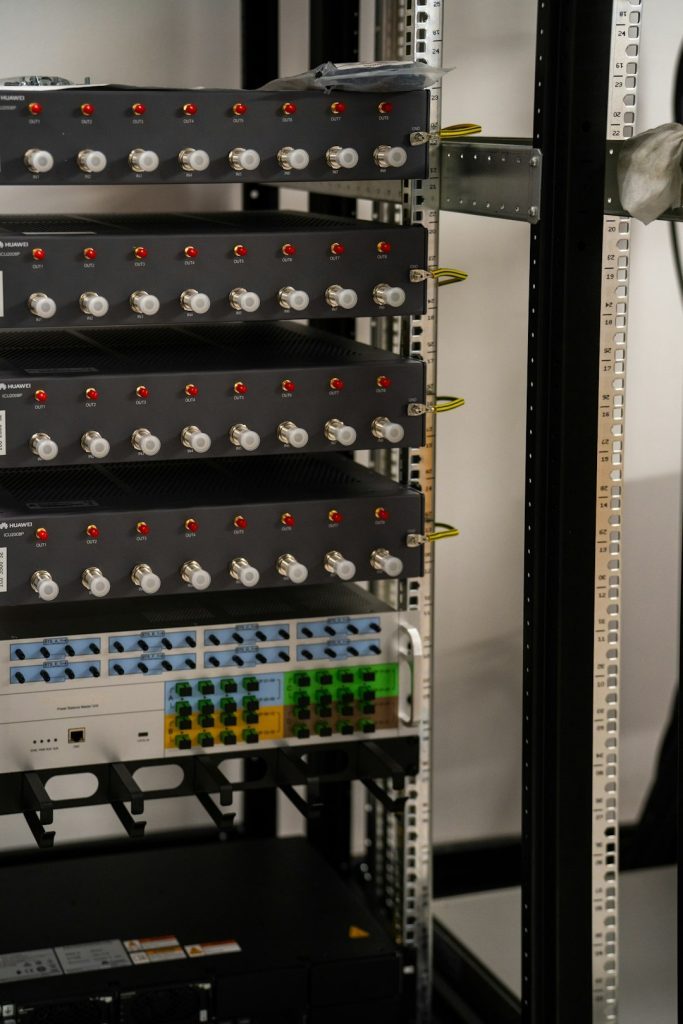
A Network Operations Center, or NOC, is the team and facility responsible for keeping networks, systems, applications, and connected services running. It watches infrastructure around the clock, detects problems early, coordinates fixes, and reduces downtime before users feel the pain. A NOC is common in telecom, cloud hosting, finance, healthcare, manufacturing, ecommerce, and any business where outages cost money fast.
TLDR
A NOC is the control room for IT operations. It monitors devices, servers, links, applications, logs, and alerts 24/7. For example, if an online retailer normally processes 12,000 orders per hour, a 15-minute outage could affect 3,000 orders, so the NOC must detect and escalate issues within minutes. A mature NOC cuts mean time to detect by 40% to 70% when monitoring, runbooks, and incident response are properly set up.
What a Network Operations Center Does
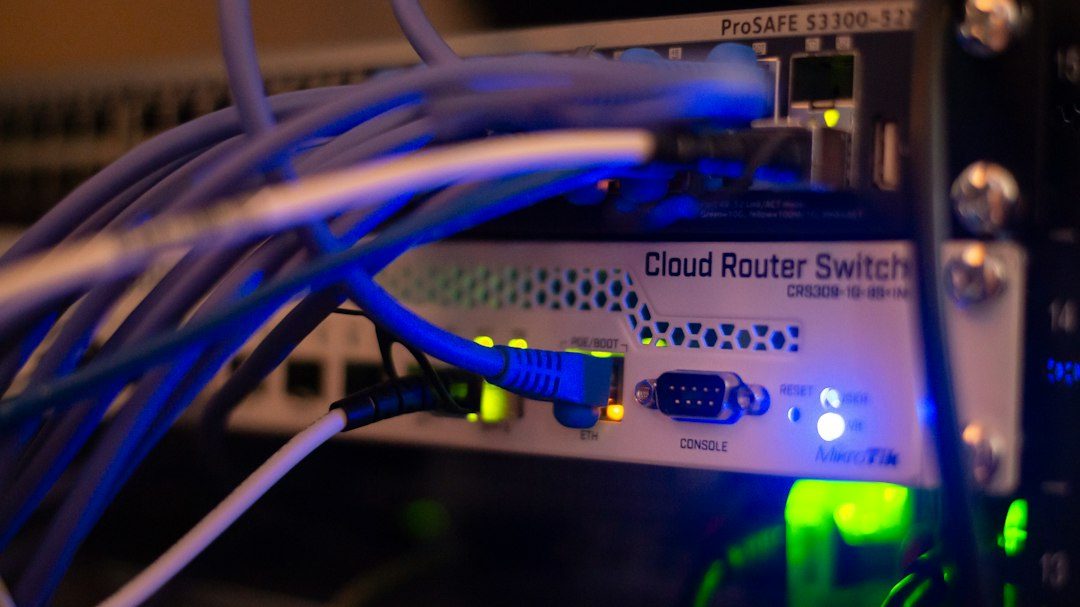
A NOC gives an organization a central view of its technical environment. That may include routers, firewalls, switches, wireless controllers, load balancers, cloud instances, databases, virtual machines, endpoints, storage systems, and business applications.
The goal is simple: keep services available, stable, and secure enough for normal operations. NOC analysts do not just stare at screens. They verify alerts, compare symptoms, check recent changes, open tickets, notify owners, and guide incidents until service is restored.

In many companies, the NOC is staffed in shifts. Tier 1 analysts handle basic triage and known issues. Tier 2 engineers investigate deeper faults. Tier 3 specialists or platform owners handle complex failures, vendor escalations, and major incidents.
Core Responsibilities of a NOC
A capable NOC usually covers several operational duties at once. These responsibilities overlap, but each supports uptime in a different way.
- Infrastructure monitoring: The NOC tracks network health, server performance, application uptime, storage capacity, and service status.
- Alert triage: Analysts filter noise from real problems. A CPU spike may be harmless. A packet loss pattern across two data centers may not be.
- Incident management: The team opens incidents, assigns severity, communicates status, and coordinates technical responders.
- Change monitoring: Scheduled maintenance is watched closely. Many outages start with a “small” configuration change that was supposed to be safe.
- Performance reporting: The NOC produces uptime reports, event trends, capacity forecasts, and service-level data.
- Escalation: When a problem exceeds a runbook, the NOC contacts network engineers, cloud teams, developers, security staff, or vendors.
- Documentation: Incidents, fixes, false positives, and recurring faults are recorded so the same issue is not solved from scratch next week.
It drives engineers crazy when five tools create five tickets for the same root issue. A good NOC reduces that mess with alert correlation, clear ownership, and practical thresholds.
Monitoring Systems Used in a NOC
NOC monitoring systems collect data from many points. This data helps analysts see both symptoms and causes. A failed checkout page may result from a database lock, a broken API, a full disk, or a network route problem.
Common monitoring categories include:
- Network monitoring: Tools use SNMP, flow data, ping checks, and telemetry to monitor bandwidth, latency, packet loss, interface errors, and device health.
- Server monitoring: Agents or exporters report CPU, memory, disk, process health, and operating system events.
- Application performance monitoring: APM tools track transaction times, error rates, slow queries, dependency failures, and user experience.
- Log management: Central log platforms collect system, application, firewall, authentication, and audit logs for search and correlation.
- Synthetic monitoring: Automated checks mimic user actions, such as login, search, checkout, or file upload.
- Cloud monitoring: Cloud-native tools track instances, containers, managed databases, queues, load balancers, and regional service health.


Thresholds matter. If alerts are too sensitive, analysts drown in noise. If thresholds are too loose, users report failures before the NOC sees them. The best monitoring setup uses a mix of static thresholds, anomaly detection, service checks, and business metrics.
Honestly, some monitoring platforms make basic actions too slow. If an analyst needs 20 extra seconds to open each event detail page during a major outage, that delay spreads across dozens of alerts. The tool should speed up diagnosis, not add friction when pressure is high.
How NOC Incident Response Works
Incident response in a NOC follows a structured flow. The exact process differs by organization, but the core steps are similar.
- Detection: An alert, log pattern, synthetic test, customer report, or automated health check signals a possible issue.
- Validation: The analyst confirms whether the alert is real, duplicated, expected, or already resolved.
- Classification: The NOC assigns severity based on user impact, affected systems, revenue risk, and security concerns.
- Initial response: The team follows a runbook, restarts a known service, reroutes traffic, rolls back a change, or gathers more evidence.
- Escalation: If the issue is complex, the NOC pulls in the correct resolver group.
- Communication: Stakeholders receive updates. This may include internal teams, executives, support agents, or customers.
- Resolution: Service is restored and verified with monitoring data and user-facing checks.
- Review: The incident is documented. Root cause, timeline, gaps, and prevention steps are captured.
Major incidents need clear command. One person should coordinate. Others should investigate, fix, communicate, or document. Without role separation, conference calls become noisy and slow.

Key Metrics a NOC Tracks
Metrics show whether the NOC is improving or just staying busy. Useful measurements include:
- Uptime percentage: The share of time a service remains available.
- Mean time to detect: How long it takes to notice a problem.
- Mean time to acknowledge: How long it takes for an analyst to accept ownership of an alert.
- Mean time to resolve: How long it takes to restore service.
- Alert volume: The number of alerts generated by system, team, service, or severity.
- False positive rate: The percentage of alerts that do not need action.
- Repeat incident rate: The number of incidents caused by known unresolved issues.
A high alert count does not always mean strong monitoring. It may mean poor tuning. A NOC should reduce useless alarms while improving detection of real faults.
NOC vs SOC
A NOC focuses on availability, performance, infrastructure health, and service continuity. A Security Operations Center, or SOC, focuses on threats, attacks, suspicious behavior, and security incidents.
The two teams often share data. For example, a sudden traffic spike may be a marketing success, a broken service, or a denial-of-service attack. The NOC may spot the performance impact first. The SOC may confirm hostile activity.
Why a NOC Matters
Downtime is expensive. It hurts sales, support teams, employee productivity, and customer trust. A NOC lowers that risk by spotting trouble early and keeping response organized.
For a midsize SaaS provider with 50,000 active users, even a 30-minute outage can flood support channels, delay renewals, and trigger service credits. A strong NOC cannot prevent every fault, but it can reduce confusion and shorten recovery time.
FAQ
What is the main purpose of a Network Operations Center?
The main purpose is to monitor IT services and respond quickly when something breaks or slows down. The NOC helps protect uptime, performance, and service reliability.
Is a NOC only for large companies?
No. Large companies often run internal NOCs, but smaller firms may use managed service providers. Any business with critical systems can benefit from NOC-style monitoring and response.
Does a NOC fix every technical issue?
Not always. The NOC handles first response, known fixes, triage, and coordination. Complex issues are escalated to engineers, developers, cloud teams, or vendors.
What skills do NOC analysts need?
They need knowledge of networking, operating systems, monitoring tools, ticketing systems, logs, incident process, and communication. Calm decision-making is also essential.
How is a NOC different from help desk support?
A help desk usually responds to individual user problems. A NOC watches systems and services at scale. It focuses on infrastructure health and broad service impact.
What makes a NOC effective?
An effective NOC has clear dashboards, tuned alerts, tested runbooks, accurate escalation paths, reliable communication, and regular incident reviews. Good process matters as much as good tools.