


An MVP, or minimum viable product, is the smallest useful version of a product that can test demand before a team spends too much money. It is not a rough demo with no value. It must solve one clear problem for one clear group. That matters because 35% of startups fail because there is no market need [source: CB Insights].
TLDR: An MVP helps a team test a product idea with the fewest features needed to learn from real users. For example, a fitness coach could launch a landing page, a payment button, and one weekly meal plan instead of building a full mobile app. If 100 visitors arrive and 12 pay, that 12% conversion rate gives a useful signal. If only one person pays, the team can change the offer before wasting months on development.
What does MVP mean?
An MVP means minimum viable product. “Minimum” means the product has only the core features. “Viable” means it still works well enough for real people to use. “Product” means it is not just an idea in a slide deck.
The goal is simple: learn fast. A team wants proof that users care. That proof can come from signups, paid orders, interviews, repeat use, or referrals. Vanity metrics, such as likes and page views, are weaker. Payment and active use say much more.

What an MVP is not
An MVP is often misunderstood. That causes bad products and angry users. Honestly, it feels like many teams use “MVP” as an excuse to ship broken work. That is not the point.
- It is not a buggy product. It should be small, not sloppy.
- It is not a full product. It should not include every future feature.
- It is not only a prototype. Users should be able to do something real.
- It is not a guess. It should be built around one testable assumption.
Common MVP examples
Different products need different MVP formats. A marketplace, a SaaS tool, and a local service should not start the same way.
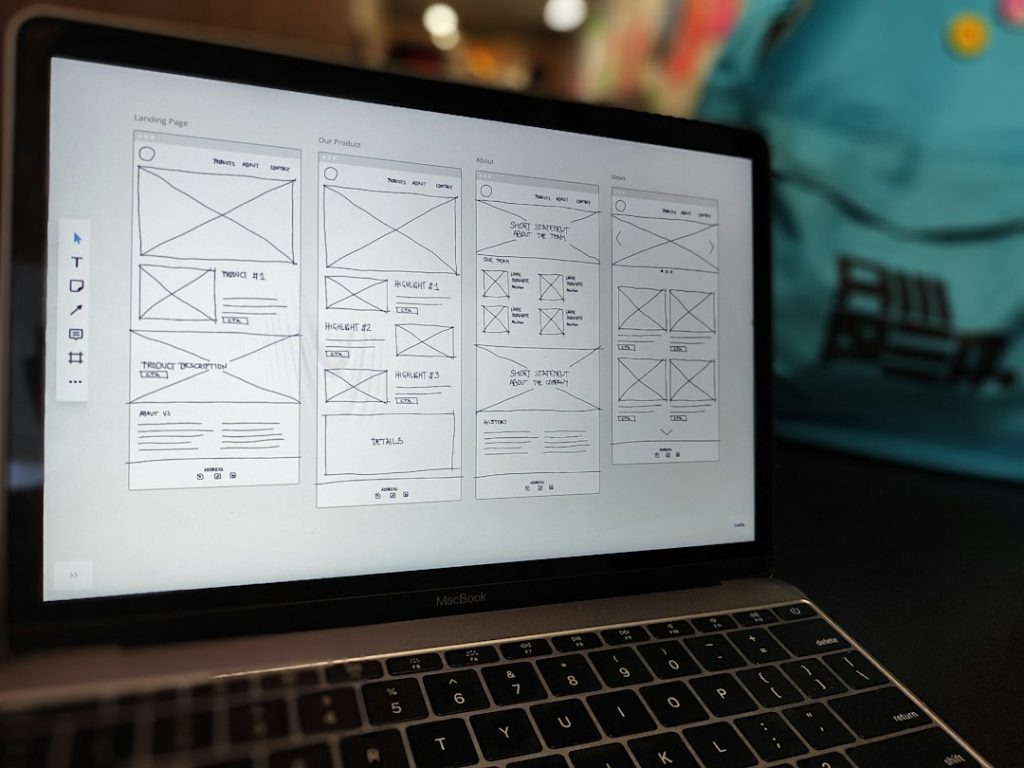
- Landing page MVP: A page explains the offer, shows pricing, and asks visitors to join a waitlist or pre-order.
- Concierge MVP: The service is done manually at first. A founder may create reports by hand before building software.
- Wizard of Oz MVP: Users think the system is automated, but people handle the work behind the scenes.
- No-code MVP: Tools like Airtable, Webflow, Zapier, and Stripe create a working product without custom code.
- Single-feature MVP: A product launches with one strong feature, such as invoice creation or AI meeting summaries.
For example, a property rental startup may not need a full app at first. Its MVP could be a simple website with 20 verified listings, a contact form, and manual booking support. If 500 visitors produce 40 booking requests, the team has a real signal. If no one asks to book, better photos or a different target market may be needed.
How to build an MVP
A clear MVP process keeps teams from building too much. The best path usually looks like this:
- Pick one user group. “Small gym owners” is better than “businesses.”
- Define one painful problem. The pain should be frequent, costly, or annoying.
- Write one core promise. For example, “Create weekly class schedules in under five minutes.”
- Select only must-have features. Cut anything that does not support the promise.
- Ship to a small group. A first test with 20 to 100 users is often enough.
- Measure behavior. Track signups, payments, usage, churn, and support requests.
- Improve or stop. Good MVPs lead to clear decisions, not endless debate.

AI tools for building an MVP
AI can speed up research, writing, design, coding, and support. It cannot replace judgment. It can, however, reduce the blank-page problem and help small teams move faster.
- ChatGPT: Useful for customer interview questions, landing page copy, feature lists, user stories, and support replies.
- Claude: Strong for long research notes, product specs, help docs, and summarizing user interviews.
- Cursor: Helps developers write and edit code inside a coding workspace.
- GitHub Copilot: Suggests code snippets, tests, and functions while developers work.
- Figma AI: Helps create interface ideas, rewrite text, and speed up design tasks.
- Framer: Good for launching polished landing pages quickly.
- Bubble: Lets teams build web apps without traditional coding.
- Zapier AI: Connects forms, emails, spreadsheets, CRMs, and payment tools.
- Typeform: Collects user feedback, waitlist entries, and survey data.
- Notion AI: Helps organize research, product plans, and release notes.
The catch is that AI tools can add noise. A simple feature list can turn into 40 “nice to have” ideas in seconds. That wastes time. A team should ask AI for options, then cut hard. The MVP should still fit on one page.
How to measure MVP success
A successful MVP does not need thousands of users. It needs useful evidence. A B2B tool may get only 10 demos but close 3 paid pilots. That can be stronger than 2,000 free signups with no usage.
Good MVP metrics include:
- Activation rate: How many users reach the first useful moment?
- Conversion rate: How many visitors sign up or pay?
- Retention: Do users come back after the first try?
- Time saved: Does the product reduce work by minutes or hours?
- Support volume: Are users confused by the core flow?
Expect to waste time on tools if the team does not set limits. A founder can spend three days changing button styles instead of testing the offer. That is painful. It is also common.
FAQ
What is an MVP in simple terms?
An MVP is the simplest useful version of a product. It helps a team test whether people want the idea before building a larger product.
Does an MVP need to make money?
Not always. Yet paid interest is one of the strongest signals. Waitlists, demos, and repeat use can also help.
How long should it take to build an MVP?
Many MVPs can be built in one to four weeks. More complex tools may take longer, but the first version should stay small.
What is a good MVP example?
A meal planning app could start as a paid weekly PDF sent by email. If users keep paying, the team can later build an app.
Can AI build a full MVP?
AI can help with code, copy, design, research, and automation. A human team still needs to choose the problem, talk to users, and judge the results.