


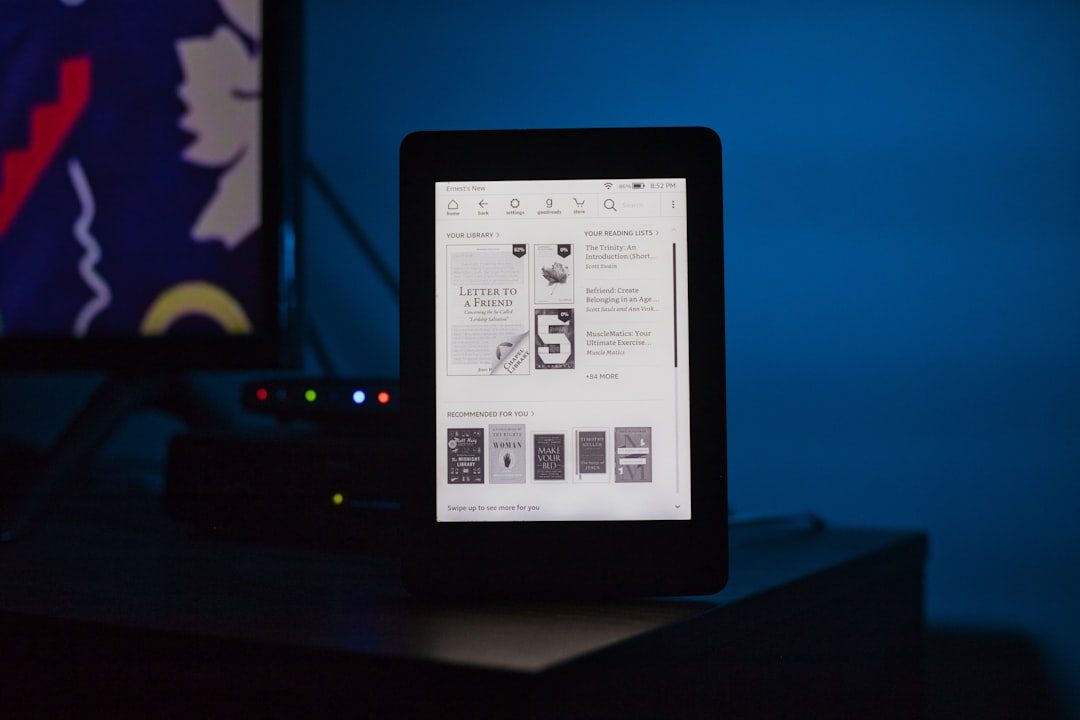
For many readers, a Kindle is the perfect digital companion: lightweight, distraction-free, and capable of storing thousands of books. Yet for a growing subset of users, the device’s default software and features are only the beginning. They choose to “jailbreak” their Kindle—modifying its software to unlock capabilities that Amazon does not officially permit. This practice may sound rebellious, but for many, it’s less about piracy and more about personalization, control, and expanding what an e-reader can do.
TLDR: People jailbreak their Kindle to gain more control over their device, unlock customization features, and install third-party apps. Common motivations include enhanced file format support, custom screensavers, improved organization tools, and better reading software. While it offers greater freedom, jailbreaking comes with risks such as voiding your warranty and potential software instability. For many tech-savvy users, the benefits outweigh the downsides.
What Does “Jailbreaking” a Kindle Actually Mean?
Jailbreaking a Kindle involves modifying the device’s firmware to bypass Amazon’s restrictions. In practice, this allows users to install custom software, alter system settings, and enable features not included in the official operating system.
Unlike hacking for malicious purposes, jailbreaking is usually about enabling new functionality. It does not automatically grant access to free books or bypass DRM protections—although some users may pursue those avenues separately. At its core, jailbreaking is about expanding control over hardware you already own.
The Desire for Customization
One of the most cited reasons for jailbreaking a Kindle is simple: customization.
Out of the box, Kindle devices offer limited options for personalization. Fonts, margins, and layout settings are adjustable—but only within Amazon’s predefined system. For some users, this isn’t enough.
Jailbreaking enables features such as:
- Custom screensavers (displaying book covers or personal images instead of ads)
- Custom fonts beyond Amazon’s approved selection
- Advanced margin and spacing controls
- Alternative home screen layouts
Readers who spend hours each day on their Kindle often want a reading environment tailored precisely to their preferences. Jailbreaking turns a standardized device into something more personal.
Freedom from Advertisements
Many Kindle models are sold at a discount in exchange for displaying “Special Offers” (ads) on the lock screen. While Amazon allows users to pay a fee to remove ads, some readers object to the principle altogether.
Jailbreaking can remove these advertisements without additional payment and replace them with:
- Book cover displays of the current read
- Artwork collections
- Minimalist digital clock screens
For users who prefer a distraction-free aesthetic, jailbreaking restores the simplicity they feel an e-reader should offer.
Expanded File Format Support
Although Kindles support popular formats like AZW, MOBI, and (more recently) EPUB via conversion, they do not natively handle as many file types as some competing devices.
After jailbreaking, users can install alternative reading software such as KOReader, which greatly expands compatibility. This is especially appealing to:
- Academic readers handling PDFs
- International readers working with diverse text formats
- Comics and technical manual readers

Enhanced PDF reflow, improved zoom, and advanced text rendering are common reasons cited for making the switch.
Installing Third-Party Applications
Another major motivation is the ability to run third-party applications. Jailbreaking acts as a gateway to tools that significantly alter the Kindle’s capabilities.
Some popular post-jailbreak tools include:
- KUAL (Kindle Unified Application Launcher) – A launcher that enables managing custom apps.
- KOReader – An alternative, highly customizable reading application.
- LibrarianSync – Syncs book metadata with Calibre wirelessly.
- USBNetwork – Enables SSH access for advanced users.
Instead of being locked into Amazon’s ecosystem, users can transform their Kindle into something closer to an open-source reading platform.
Comparison of Popular Jailbreak Tools
| Tool | Main Purpose | Ease of Use | Best For |
|---|---|---|---|
| KUAL | App launcher and management | Beginner friendly | Organizing installed mods |
| KOReader | Alternative reading interface | Moderate | PDFs and advanced customization |
| LibrarianSync | Wireless Calibre syncing | Moderate | Large personal libraries |
| USBNetwork | System level access via SSH | Advanced | Technical users and developers |
Better Library Management
Amazon’s default library management works well for small collections. However, users with thousands of books often find it limiting. Sorting and filtering options can feel restrictive, particularly for readers with highly organized tagging systems.
Many jailbreak users rely on Calibre, an open-source e-book management tool. Combined with add-ons like LibrarianSync, Calibre allows:
- Advanced metadata editing
- Custom collections
- Automatic series organization
- Wireless library updates
For avid collectors and researchers, this level of control is invaluable.
A Sense of Ownership
Beyond features and functionality, there’s a philosophical motivation at play. When you purchase a Kindle, do you truly own it—or are you leasing a controlled slice of Amazon’s ecosystem?
Some users jailbreak their devices because they believe in digital ownership. They argue that hardware they paid for should not be restricted by corporate decisions. Jailbreaking becomes an act of reclaiming autonomy over personal property.
This perspective is common in tech communities that value open-source software and user rights. It’s less about breaking rules and more about challenging limitations.
Experimentation and Curiosity
Not all jailbreakers have practical reasons. For many, it’s simply about curiosity. Technically inclined users enjoy understanding how devices work under the hood.
Installing custom firmware offers:
- Learning opportunities in Linux-based systems
- Experience with embedded software
- A low-risk introduction to device modification
The Kindle, being relatively affordable and widely available, serves as an accessible playground for experimentation.

Risks and Downsides
Despite its appeal, jailbreaking isn’t without risks. Some of the main concerns include:
- Voided warranty
- Potential bricking of the device (rendering it unusable)
- Software instability
- Security vulnerabilities
Amazon periodically releases firmware updates that patch jailbreak methods, meaning users must often block updates or stay vigilant. Additionally, technical mistakes during installation can permanently damage the device.
For casual readers who are satisfied with the default experience, these risks may outweigh the rewards.
Is It Legal?
The legality of jailbreaking varies by country. In some regions, modifying your own device is permitted under consumer rights laws, as long as it doesn’t involve piracy or copyright infringement.
However, Amazon’s terms of service generally prohibit modifications. While individual users are rarely pursued, there is always a contractual gray area. Prospective jailbreakers should understand local laws before proceeding.
Who Typically Jailbreaks Their Kindle?
Based on community forums and user discussions, the typical jailbreaker often falls into one of these categories:
- Tech enthusiasts who enjoy tinkering
- Academic users who require better PDF handling
- Power readers with massive libraries
- Minimalists seeking a cleaner interface
Most are not trying to bypass payments or disrupt services. Instead, they are readers who want more from a device they already rely on daily.
The Bigger Picture
The practice of jailbreaking highlights a broader tension in modern technology: the clash between closed ecosystems and user freedom. Companies design devices to be streamlined, secure, and profitable. Users often want flexibility, transparency, and ownership.
Kindle jailbreaking sits at the intersection of these competing priorities. It reflects a wider movement toward personalization and control over digital tools.
Final Thoughts
People jailbreak their Kindle for a variety of reasons—customization, improved functionality, curiosity, and principle among them. While it carries certain risks, it also unlocks capabilities that can dramatically enhance the reading experience for the right user.
For most readers, Amazon’s default software is more than sufficient. But for those who want deeper control and expanded features, jailbreaking transforms the Kindle from a closed reading appliance into a flexible, customizable platform. In the end, the decision comes down to a simple question: are you content with the device as designed, or do you want to make it entirely your own?