


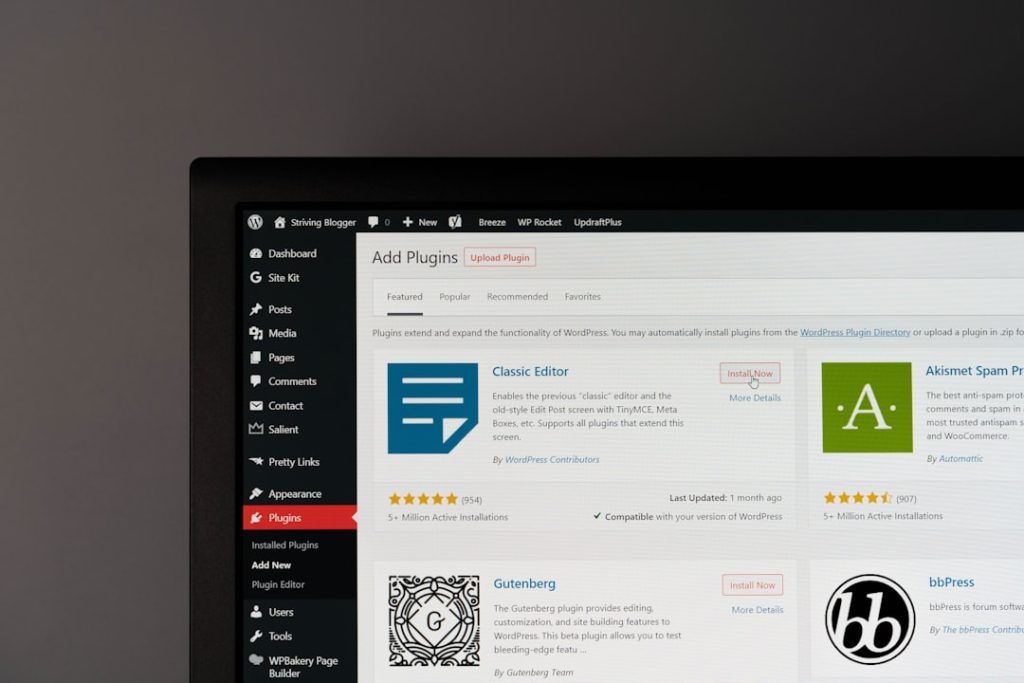
Choose WP Rocket if you want the simplest setup across almost any WordPress host; choose LiteSpeed Cache if your site runs on a LiteSpeed server and you want tighter server-level speed gains. For image lazy loading alone, both plugins can delay off-screen images well. The real difference is how much tuning you want, what server you use, and whether you prefer a paid polished plugin or a deeper free tool with more knobs.
TLDR: WP Rocket is usually easier for beginners and mixed hosting setups, while LiteSpeed Cache is often stronger on LiteSpeed hosting. In one WooCommerce test case, lazy loading reduced initial image requests from 42 to 11, and the Largest Contentful Paint dropped from 4.3 seconds to 2.8 seconds. On a LiteSpeed server, LiteSpeed Cache can go further because caching, image optimization, and server features work closely together. If you run cheap shared hosting without LiteSpeed, WP Rocket may save you time and fewer headaches.
Why lazy loading matters for WordPress images
Images are often the heaviest part of a WordPress page. A blog post might load a large hero image, six screenshots, author avatars, related post thumbnails, ads, and social icons before the visitor even scrolls. That is wasteful.
Lazy loading delays images until they are close to the visitor’s screen. Instead of loading every image right away, the browser loads only what is needed first. This can improve:
- Largest Contentful Paint, often called LCP
- Initial page weight
- Mobile loading speed
- Bandwidth use
- User experience on slow connections
WordPress includes native lazy loading, but plugins still matter. They add exclusions, placeholder control, iframe lazy loading, video previews, image optimization, and better handling for themes and page builders.


WP Rocket lazy load: simple and polished
WP Rocket is a premium caching and performance plugin. Its lazy load feature is built for people who want results without reading twenty documentation pages. You turn it on, test the page, add exclusions if needed, and move on.
WP Rocket can lazy load:
- Images
- CSS background images in some setups
- iframes
- YouTube embeds, with preview image replacement
The YouTube option is a quiet winner. Embedded videos are heavy. Replacing the iframe with a preview thumbnail can cut a large amount of third-party JavaScript from the first load. If your homepage has two video embeds, this can be the difference between “pretty smooth” and “why is this still spinning?”
WP Rocket also makes exclusions fairly painless. You can exclude a logo, hero image, slider image, or above-the-fold banner from lazy loading. This matters because lazy loading the main hero image can hurt LCP instead of helping it. That drives me crazy when speed plugins enable lazy loading everywhere and then make the most visible image arrive late.
Where WP Rocket works best
WP Rocket is best for site owners who want a clean interface and quick wins. It works well on many hosting types, including Apache, NGINX, managed WordPress hosting, and common shared plans.
Use WP Rocket if:
- You are not using a LiteSpeed server
- You want fewer setup decisions
- You manage client sites and need repeatable settings
- You want lazy loading plus caching, file optimization, and database cleanup in one paid plugin
- You dislike trial-and-error plugin panels with dozens of unclear switches
The downside is cost. WP Rocket is not free. Also, some hosts already include strong caching, so you may need to disable overlapping features. Expect to spend a little time checking whether WP Rocket conflicts with your host cache, CDN, or image plugin.
LiteSpeed Cache lazy load: powerful, especially on LiteSpeed hosting
LiteSpeed Cache is free and packed with features. Its lazy load system can handle images and iframes, generate placeholders, use low-quality image placeholders, and work with image optimization through QUIC.cloud services.
On a LiteSpeed server, the plugin becomes much more than a WordPress add-on. It connects with server-level caching, which can make pages very fast when configured well. This is where LiteSpeed Cache can beat WP Rocket in total speed, not just lazy loading.
LiteSpeed Cache lazy load options include:
- Lazy load images
- Lazy load iframes
- Responsive placeholders
- LQIP, or low-quality image placeholders
- Image optimization through QUIC.cloud
- Lazy load exclusions for specific classes, URLs, or image patterns
The plugin can feel like a control room. Great if you know what you are doing. Annoying if you just wanted your recipe blog to load faster before dinner. Honestly, it feels like some settings are named for server admins, not tired WordPress users trying to fix a red PageSpeed score.


Where LiteSpeed Cache works best
LiteSpeed Cache shines when the server runs LiteSpeed Web Server or OpenLiteSpeed. Many hosts now offer LiteSpeed-based plans, especially performance-focused shared hosts.
Use LiteSpeed Cache if:
- Your host uses LiteSpeed
- You want a free plugin with deep control
- You plan to use QUIC.cloud for image optimization or CDN features
- You are comfortable testing settings carefully
- You want server cache and lazy loading handled in one ecosystem
LiteSpeed Cache can still run on non-LiteSpeed servers, but its biggest caching benefits are tied to LiteSpeed. If your host does not use it, the lazy load feature may still help, yet the full plugin advantage is reduced.
Image loading performance: which one is faster?
The honest answer: it depends on the server and setup. For lazy loading alone, both plugins can produce similar visible results. Images below the fold wait. The first screen loads faster. Mobile users get a lighter first pass.
WP Rocket often wins on setup speed. A typical site owner can enable lazy loading in under a minute. LiteSpeed Cache may win on the final score when paired with the right server, but setup can take longer.
Here is a practical comparison:
- Ease of use: WP Rocket wins
- Free option: LiteSpeed Cache wins
- Best on LiteSpeed hosting: LiteSpeed Cache wins
- Best on mixed hosting: WP Rocket wins
- Video lazy loading: Both are useful, WP Rocket feels simpler
- Fine control: LiteSpeed Cache wins
Do not lazy load the wrong images
This is the mistake that ruins many speed tests. Lazy loading every image is not always good. The top hero image, logo, and first product image may need to load right away. If they are delayed, LCP can get worse.
For example, a homepage hero image might be the largest visible element. If lazy loading delays it by even 500 milliseconds, your LCP score can suffer. That is why exclusions matter.
In WP Rocket, add exclusions for image URLs, CSS classes, or key assets above the fold. In LiteSpeed Cache, use the lazy load exclusion fields. Test the page after each change. Do not guess.

How to test WP Rocket vs LiteSpeed Cache
Do not judge by feelings. Use real tests. Before changing anything, record baseline scores.
- Run PageSpeed Insights on mobile and desktop.
- Check LCP, total page size, and image request count.
- Enable lazy loading in one plugin only.
- Clear all caches.
- Test again using the same URL.
- Check the page visually on mobile.
Watch for missing images, late-loading hero banners, broken sliders, and blank spaces. Page builders, sliders, galleries, and ad networks can behave strangely with lazy loading. If something breaks, add an exclusion rather than disabling lazy load completely.
Best recommendation for most WordPress sites
If your site is on LiteSpeed hosting, start with LiteSpeed Cache. It is free, strong, and built to work closely with that server stack. Pair it with image optimization and careful exclusions for above-the-fold images.
If your site is on another host, or if you want a cleaner setup, pick WP Rocket. It costs money, but the interface is easier and the lazy loading options are less stressful. For agencies and non-technical site owners, that saved time often justifies the price.
The best plugin is not the one with the longest feature list. It is the one you can configure correctly. Lazy loading should make the first screen faster, not hide the image visitors came to see.