Managing digital credentials securely has become critical in a world of increasing cyber threats. LastPass is one of the most popular password managers available today, and pairing it with an authenticator app adds a valuable layer of protection with two-factor authentication (2FA). However, many users experience one particularly frustrating issue — an endless login loop when trying to authenticate. This article explores why this happens, the role of authenticator apps, and how to fix the login loop when LastPass refuses to recognize the account during 2FA.
TL;DR
If you’re stuck in a LastPass login loop when using an authenticator app, start by clearing your browser cache and cookies, synchronize the time on your device, and ensure your authenticator app is accurately generating time-based codes. If the problem persists, try temporarily disabling browser extensions or switching browsers. As a last resort, use recovery codes or customer support to regain access. A methodical approach will resolve most 2FA issues with LastPass.
Understanding the Login Loop Issue
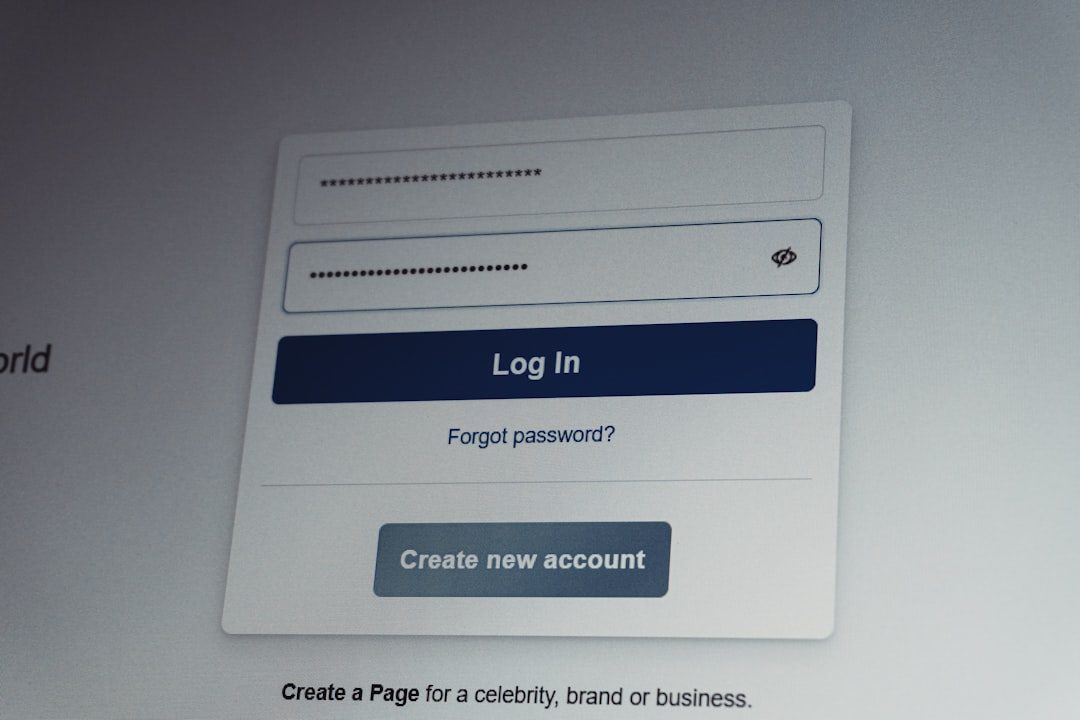
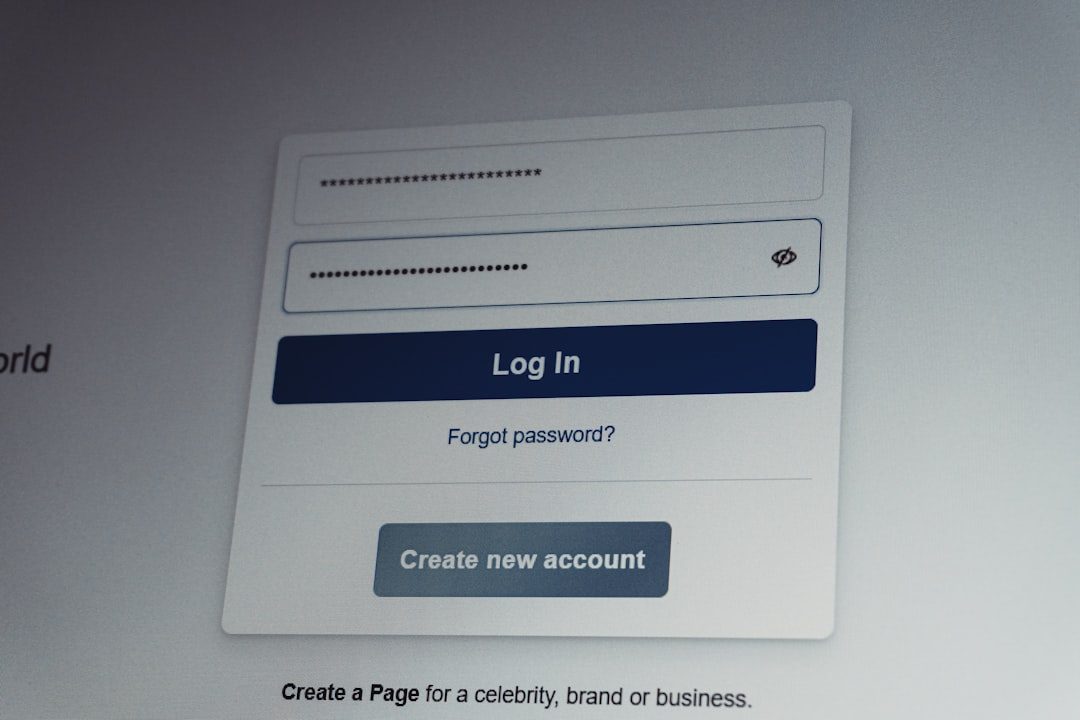
The login loop phenomenon typically exhibits the following behavior: the user logs into LastPass, inputs their master password, and is then prompted for a 2FA code. After providing a valid code from an authenticator app, LastPass refreshes or returns to the initial login screen instead of granting access.
There are several underlying causes for this behavior:
- Clock desynchronization between the authenticator app and the server.
- Corrupted or missing browser cookies and cached data.
- Conflicts caused by browser extensions or strict privacy settings.
- Outdated LastPass sessions competing with new authentication attempts.
- Expired session tokens or expired authentication codes.
This issue is frustrating and can lock users out of their accounts, which is a serious concern when emergencies or immediate access are needed.
How 2FA Authenticator Apps Work in Conjunction With LastPass
To understand the issue fully, it is essential to grasp how authenticator apps operate. These apps, such as Google Authenticator, Microsoft Authenticator, or Authy, generate time-based one-time passwords (TOTPs). These codes are valid only for a short window — typically 30 seconds — and require the device’s internal clock to be closely synchronized with the server.
When LastPass prompts you for a 2FA code, it checks the input against what it expects at that exact time. Any discrepancies in timing may cause the system to reject even valid-looking inputs, sending the user back to square one — hence, the login loop.
Step-by-Step: Fixing the Login Loop
The following steps outline a logical approach to addressing and resolving the LastPass login loop caused by 2FA issues.
1. Verify Time Synchronization
This is the most frequent cause of erroneous 2FA rejections with authenticator apps.
- Ensure your device’s time and date are set to automatic and synced with internet time services.
- In Google Authenticator, find the option to sync time for codes in settings (available on Android).
If your time is even a few seconds off, codes can be rejected systematically.
2. Clear Browser Cache and Cookies
Outdated login data can conflict with entries stored in cookies or cache, resulting in looping behaviors.
To fix this:
- Open your browser settings.
- Navigate to Privacy and Security settings > “Clear browsing data.”
- Select at least “Cookies and other site data” and “Cached images and files.”
- Restart the browser and try logging in again.
3. Disable Browser Extensions
Security and ad blocker extensions are often culprits behind failed logins or redirected authentication prompts. Temporarily disable extensions such as:
- Ad blockers (AdBlock, uBlock Origin)
- Privacy-focused tools (Privacy Badger, Ghostery)
- Script blockers (NoScript)
Then, attempt to log in to LastPass once more. If successful, you can re-enable the extensions one by one to isolate the conflicting extension.
4. Switch Browsers or Use Incognito Mode
If the cache and extensions aren’t to blame, try a different browser or enter Incognito or Private Browsing mode. This avoids browser-specific interference without affecting your main browsing environment.
This method is especially effective if you’re using a managed enterprise browser or if your bookmarks and extensions keep reintroducing the issue.
5. Use a Backup Code or Rescue Option
During your initial setup of 2FA with LastPass, the system should have provided recovery or backup codes. If login attempts continue to fail:
- Locate your stored backup codes (they are typically saved at the time of 2FA setup).
- Use a backup code when prompted for 2FA.
If you did not save your backup codes, you may still be able to disable your Multifactor Authentication temporarily by contacting LastPass Support, but this will involve identity verification.
6. Try the Desktop vs. Mobile Approach
Sometimes the issue is isolated to the device used. Try logging in:
- Using your mobile browser if issues are occurring on a desktop.
- Using the LastPass mobile app instead of a browser window.
The login flow differs across platforms, and you might bypass the problematic step by switching device contexts.
Preventive Tips for the Future
To avoid encountering the login loop again, here are some preventive best practices to follow:
- Always keep device clocks in sync with automatic time settings.
- Use Authy or another multi-device supported authenticator for backup access.
- Regularly back up your 2FA codes securely, preferably using a password-protected encrypted file.
- Test your backup login methods periodically.
- Enable hardware token support if your LastPass tier includes it (such as YubiKey).
When to Contact LastPass Support
If none of the above solutions resolve the issue, or if you’ve been locked out entirely and no recovery codes are available, the final step is:
- Visit the LastPass Support site.
- Choose “Contact Support” and submit a case detailing your access issue.
- Be prepared to verify your identity, possibly including: government ID, account activity data, or past vault contents.
Support inquiries may take 24–48 hours or longer depending on complexity and subscription tier.
Conclusion
The LastPass login loop tied to 2FA errors is a common — but usually solvable — issue when using authenticator apps. The core of the problem lies in time synchronization, local cache conflicts, and authentication method mismatches across devices. Systematic troubleshooting can recover access without needing to disable MFA.
For both individuals and organizations relying on secure access to sensitive data, maintaining a dependable login pathway with fallback options is not just a convenience — it’s a necessity.
By following the diagnostic steps highlighted above, most users can confidently break the login loop and restore reliable 2FA support with LastPass.