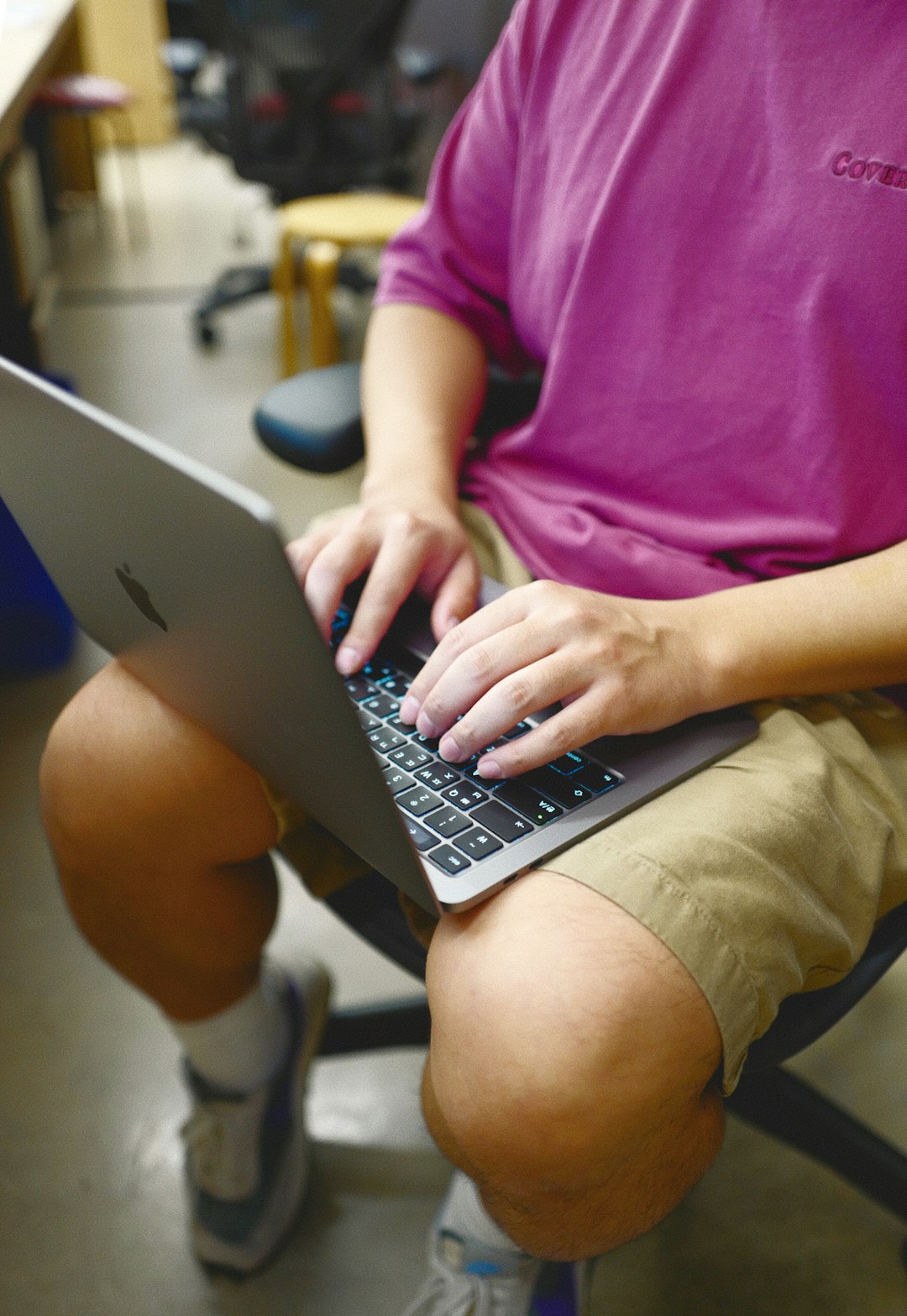
In an increasingly digital world, education is evolving—and with it, opportunities are opening up to better support students with unique learning needs. Online schools have risen as powerful platforms for inclusive education, using technology to personalize learning experiences for students with learning differences. Whether a student has attention deficit hyperactivity disorder (ADHD), dyslexia, autism spectrum disorder (ASD), or other disabilities, virtual learning environments offer tailored support like never before.
TLDR (Too long, didn’t read)
Online schools are uniquely positioned to support students with learning differences by offering flexible pacing, personalized instruction, and a distraction-reduced environment. Many platforms integrate assistive technologies and specialized staff to create inclusive, adaptive curriculums. With the ability to customize content and schedule, these digital learning spaces empower students to succeed on their terms. Overall, virtual education provides a valuable alternative for families seeking specialized support in a more controlled, individualized setting.
Understanding Learning Differences
Learning differences refer to a range of neurological conditions that can affect how individuals receive, process, and express information. These are not indicators of intellectual incapacity but rather reflect unique cognitive profiles requiring specific educational approaches. Some common learning differences include:
- Dyslexia: Difficulty in reading or interpreting words, letters, and symbols
- ADHD: Struggles with attention regulation, impulse control, and executive function
- Autism Spectrum Disorder (ASD): Variability in social communication, sensory processing, and learning styles
- Dyscalculia: Difficulty in understanding numbers and math-related concepts
- Auditory Processing Disorder: Challenges in interpreting sounds and spoken language
Traditional classrooms, structured around standard teaching methods and fixed time schedules, often fall short in accommodating the needs of such students. Online schools, however, are proving to be game-changers.
Benefits of Online Learning for Students with Learning Differences
1. Flexible Pacing and Self-Paced Learning
One of the greatest strengths of online education is flexibility. Students with learning differences often need more time to process information or may benefit from spending additional focus on specific concepts. In an online environment, lessons can be paced according to individual needs, without the pressure to “keep up” with the class.
This approach allows for:
- Repeating lessons for better understanding
- Pausing or rewinding videos during instruction
- Taking breaks when fatigue or sensory overwhelm occurs
Self-paced learning fosters confidence, enabling students to master one concept before moving on to the next—something that can be elusive in a traditional classroom.
2. Personalized Learning Plans
Online schools often involve customized educational strategies tailored to each student’s learning profile. Through Individualized Education Programs (IEPs) or 504 Plans, educators and support staff collaborate to create personalized learning objectives.
These plans may include:
- Adjusted reading materials suited to the student’s comprehension level
- Use of visual aids and interactive tools to enhance engagement
- Alternative assessment methods such as oral reports or project-based learning
- Incorporation of therapy sessions or occupational exercises as needed
The result is a more structured, understanding, and empowering environment for students to thrive in.
Technology as an Enabler
Online platforms harness a wide variety of technologies specifically designed to assist students with learning differences. These include speech-to-text applications, screen readers, mood trackers, and note-taking software that simplify complex tasks.
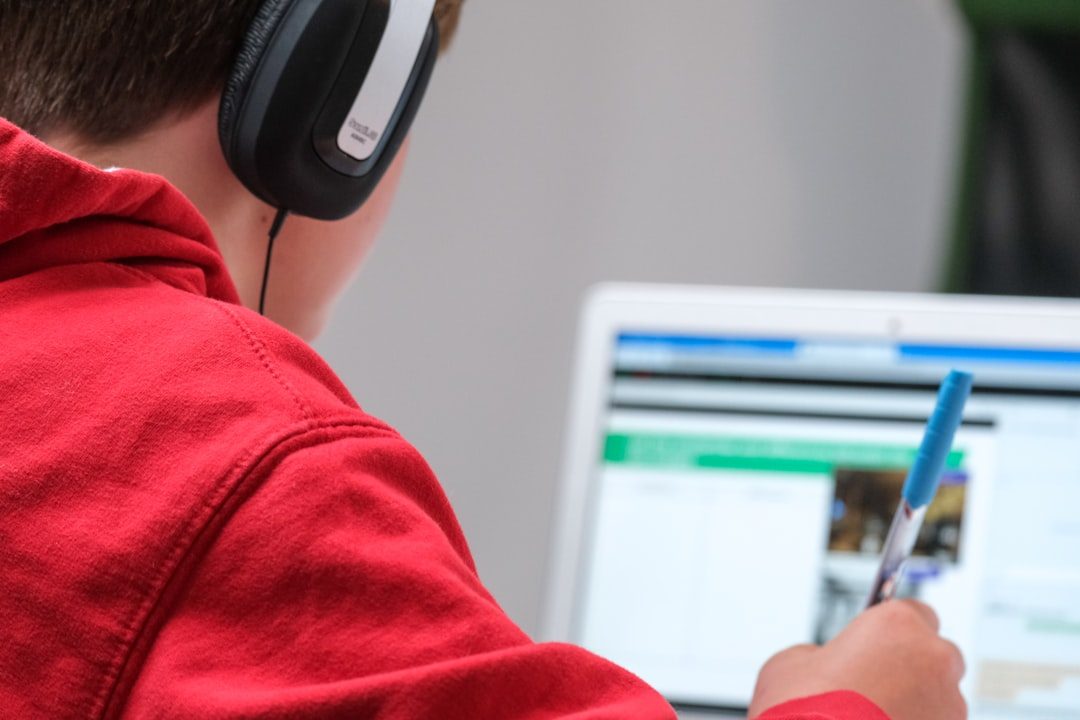
Other features like real-time captions, font customizers, and background noise filters make a huge difference for students sensitive to auditory or visual stimuli.
Gamified learning platforms and interactive dashboards also help children stay engaged while learning. These creative approaches can motivate students who might otherwise struggle to stay focused in a standard school setting.
3. Reduced Social and Sensory Pressures
School environments can be overwhelming for students with learning differences—not because of academics, but because of social and sensory factors. Bright lights, loud noises, peer interactions, and rigid seating arrangements can cause anxiety and distract from learning.
Online schooling offers the comfort of a familiar setting, where students can:
- Learn in a low-stimulation environment
- Use preferred lighting, headphones, or sensory aids
- Interact socially at their own pace through chat-based or video interactions
This environment encourages self-regulation and a better sense of control, which is pivotal for mental and emotional well-being.
Teacher Training and Specialized Support
An often-overlooked aspect of online schools is the extensive training many educators receive in special education and inclusive classroom strategies. These teachers have access to analytical tools that track student performance data in real-time, allowing them to intervene quickly when challenges arise.
Teachers collaborate regularly with support staff such as:
- Speech and language pathologists
- Educational psychologists
- Behavioral therapists
- Career and transition counselors
This team-based approach ensures that no child is left behind because of their learning style. In fact, many online schools also offer regular parent-training sessions so that accommodation strategies are reinforced at home.
4. Enhanced Communication Channels
Communication is key in education—particularly when teaching students with learning differences. Online schools use a range of tools to maintain open lines between teachers, students, and parents.
Some options include:
- Video conferencing with educators and specialists
- Real-time messaging platforms for quick feedback
- Discussion boards and chat rooms for peer engagement
- Performance analytics available to parents 24/7
This increased accessibility enables quicker identification of issues and faster implementation of corrective measures.
Success Stories and Testimonials
Families who’ve transitioned into online schooling often describe dynamic transformations. Many report improvements in academic performance, reduced anxiety, and higher levels of self-esteem in their children.

For some students, removing the pressures of a traditional setting alone leads to significant progress. Others thrive due to the integrated tech tools and personalized curriculum. Overall, parents are finding renewed hope through a system that considers their child as an individual, not a number.
Are Online Schools Right for Every Student?
It’s important to note that online school is not a universal solution. Some students benefit from in-person engagement, hands-on activities, or face-to-face social skills lessons. However, for many with learning differences, the virtual setting provides exactly what they need: a custom learning experience in a safe, understanding environment.
If you’re considering an online school for a child with learning differences, here are a few steps:
- Evaluate existing needs through psychological testing or educator feedback
- Research accredited online schools with special education support
- Request trial periods or demo classes
- Get involved in building and monitoring the student’s learning plan
Conclusion
Online schools offer more than just a change in location—they represent a shift in educational philosophy. With personalization, flexibility, supportive technologies, and trained educators, these institutions are uniquely equipped to support students who think and learn differently.
As technology evolves, so too will the methods and strategies available to empower all learners. In this new chapter of education, inclusive and adaptive learning is no longer a luxury—it’s becoming the standard.