Fascism, one of the most controversial and polarizing political ideologies of the 20th century, has left an indelible mark on global history. From its roots in post-World War I Europe to its modern-day echoes in politics and society, the study of fascism provides critical insights into authoritarian tendencies, propaganda techniques, and the fragile nature of democratic institutions.
TL;DR: Fascism originated in early 20th century Europe, especially Italy and Germany, after World War I. Its rise was fueled by nationalism, economic hardship, and fear of communism. The ideology is rooted in authoritarianism, suppression of dissent, and glorification of the state. While classical fascism declined after WWII, elements of it persist in various contemporary political movements worldwide.
What Is Fascism?
Fascism is a far-right, authoritarian political ideology that emphasizes strong centralized control, nationalism, elite leadership, and the suppression of opposition. While definitions may vary slightly, the core characteristics include:
- A dictatorial leader or ruling elite
- Rejection of democracy and political pluralism
- Strong nationalist sentiment and ethnocentrism
- Militarism and glorification of violence
- Suppression of dissent and free speech
The term “fascist” has become a political insult in modern discourse, often used loosely; however, it originally referred to a specific ideology with clearly defined goals and methods carried out by regimes such as Mussolini’s Italy and Hitler’s Nazi Germany.
Historical Context: Birth of Fascism
Fascism emerged as a response to the social, economic, and political crises following World War I. Italy was the first country to experience fascist rule, with Benito Mussolini establishing a fascist government in 1922. Germany followed in 1933 under Adolf Hitler and the National Socialist German Workers’ Party (Nazis).
Several factors contributed to this rise:
- Economic Instability: Post-war economic collapse destabilized governments and impoverished many.
- Fear of Communism: The Russian Revolution of 1917 had scared many elites and middle-class citizens.
- National Humiliation: The Treaty of Versailles was seen as a national disgrace, particularly in Germany.
- Desire for Order: Fascists promised social cohesion and national rejuvenation.

Key Components of Fascist Ideology
Fascist ideology is often characterized by the fusion of several elements that create a totalitarian regime:
- Authoritarian Rule: Fascist regimes are led by a strong, charismatic leader who is seen as infallible.
- Ultranationalism: Fascism often glorifies the nation or a particular race above all others.
- Militarization of Society: War is often celebrated as a means of achieving national greatness.
- Propaganda and Control: Media, arts, and education are tightly regulated to serve the ideology.
- Suppression of Dissent: Political opponents, intellectuals, and minority groups are often persecuted.
These regimes sought not only political power, but also total control over everyday life, effectively turning the state into a religion-like institution that demanded unwavering loyalty.
The Fall of Classic Fascism
Both Mussolini’s and Hitler’s regimes collapsed by the end of World War II. The atrocities committed under these governments—including genocide, aggressive war, and political repression—discredited fascism in the eyes of the global community. Fascist leaders were either executed or brought to justice, and the ideology was widely condemned.
However, fascism didn’t entirely disappear; instead, it went underground, with its ideas persisting in fringe groups and nationalist movements across various countries.
Contemporary Resonance of Fascist Ideology
In the 21st century, the legacy of fascism resonates in different forms, often under the labels of neo-fascism, right-wing populism, or ethno-nationalism. These movements extract elements from fascist ideology and adapt them to modern contexts:
- Revival of Nationalism: Strong emphasis on cultural identity and skepticism of globalization.
- Anti-Immigrant Sentiments: Policies resembling ethnic purity campaigns from past fascist regimes.
- Authoritarian Leadership: Leaders who attack democratic norms while cultivating cults of personality.
- Disinformation and Propaganda: Use of mass media, particularly social media, to spread misinformation.
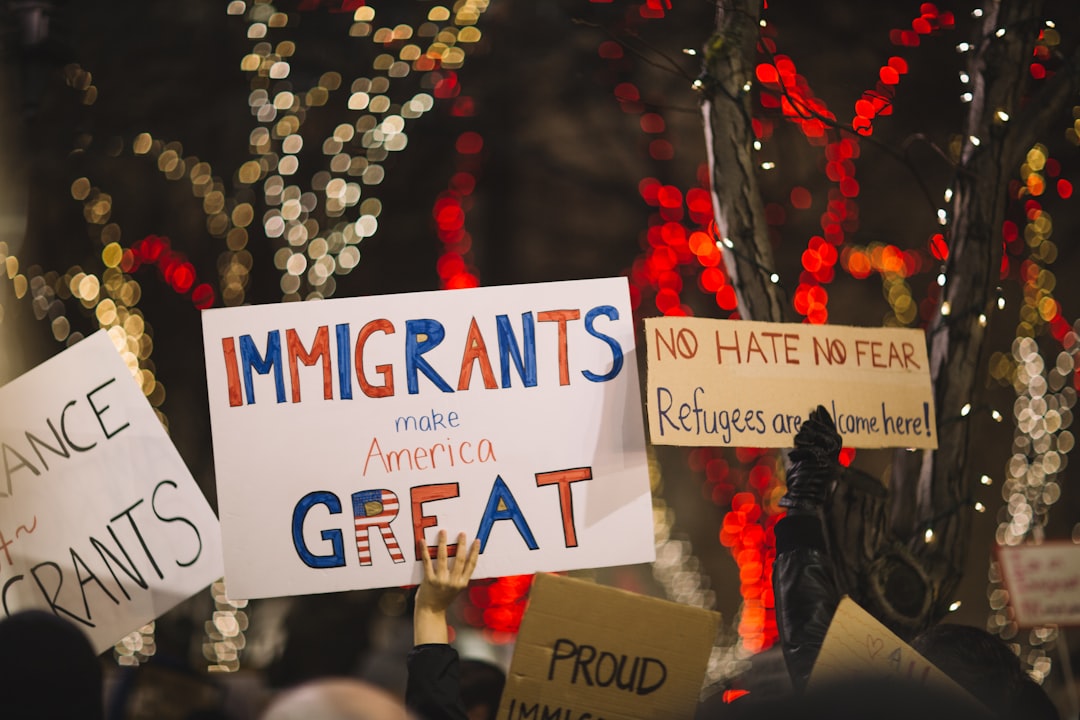
Movements resembling fascist principles have surfaced in parts of Europe, the Americas, and Asia. These movements often use the same fear tactics that fascists employed decades ago: blame minorities, claim moral decline, and assert that democratic processes are broken.
The Slippery Slope: When Populism Turns Authoritarian
One of the dangers identified by historians and political scientists is the gradual shift from populism to authoritarianism. Populist leaders may initially work within democratic frameworks, but once in power, they often seek to weaken institutions, disempower opposition, and consolidate control—hallmarks of fascist governance.
The historical playbook of fascism offers a warning: eroding trust in democratic institutions, vilifying journalism, and exploiting national fears can pave the way for the return of authoritarian regimes. Understanding this gradual transformation is vital to protecting democratic values today.
Why Understanding Fascism Matters Today
Recognizing the signs of fascism in contemporary politics isn’t just an academic exercise; it is essential for maintaining open societies. The historical context offers numerous lessons for identifying the early warnings of authoritarianism and mitigating its growth:
- Vigilance: Awareness allows for early intervention.
- Education: Teaching history helps to prevent its worst repetitions.
- Media Freedom: Open discourse is a key defense mechanism.
- Civic Engagement: Democracies rely on active citizen participation to thrive.
In an era filled with political disinformation, polarization, and rising authoritarian tendencies, the ghosts of fascism remind societies of what can happen when fear overtakes freedom.
Frequently Asked Questions (FAQ)
-
What is the difference between fascism and communism?
While both can be authoritarian, fascism emphasizes nationalism and often enforces racial or ethnic supremacy. Communism, in theory, seeks class equality and a stateless society, although in practice, many communist regimes became authoritarian as well. -
Is fascism only a European phenomenon?
No. Although it originated in Europe, fascist principles have appeared in various global regimes and movements across Asia, Latin America, and more recently, parts of North America. -
Can a country be partially fascist?
It’s possible for a country to exhibit fascist traits—such as ultranationalism or authoritarian leadership—without fully transforming into a fascist state. -
Is fascism illegal today?
In some countries like Germany and Austria, Nazi symbols and fascist propaganda are banned by law. However, in other regions, the ideology may persist legally under the guise of “free speech.” -
How can societies resist modern fascism?
Through education, civic participation, holding leaders accountable, and safeguarding democratic institutions like free media and fair courts.