
The travel industry continues to grow rapidly as technology reshapes how people plan, book, and experience trips. For startups entering this competitive space, building a full-featured product from day one can be risky and expensive. That is why many founders choose to develop a Minimum Viable Product (MVP) first — a streamlined version of a travel application designed to validate ideas, test the market, and reduce risks.
TLDR: Developing a travel MVP allows startups to test their business idea with minimal investment before building a full-scale product. The process includes validating the concept, defining core features, choosing the right tech stack, building a prototype, and launching quickly to gather feedback. A successful travel MVP focuses only on essential features that solve a real user problem. Iteration based on data and customer feedback is the key to long-term success.
What Is a Travel MVP?
A Travel MVP is a simplified version of a travel-related application that includes only the core features necessary to address the primary pain point of the target audience. Rather than investing thousands of hours into building advanced functionality immediately, companies release a lean version to test assumptions.
The goal is not perfection — it is validation.
A travel MVP may focus on:
- Flight or hotel booking
- Trip itinerary planning
- Price comparison
- Local experience discovery
- Travel expense tracking
By starting small, founders gain insights into user behavior, preferences, and demand before scaling.
Step 1: Define the Core Problem
Every successful travel MVP starts with identifying a specific user problem. The travel market is wide, so narrowing the focus is critical.
Start by answering the following questions:
- Who is the target audience? (backpackers, luxury travelers, business professionals, digital nomads)
- What travel frustration are they experiencing?
- How are they solving this problem today?
- Can technology improve their experience?
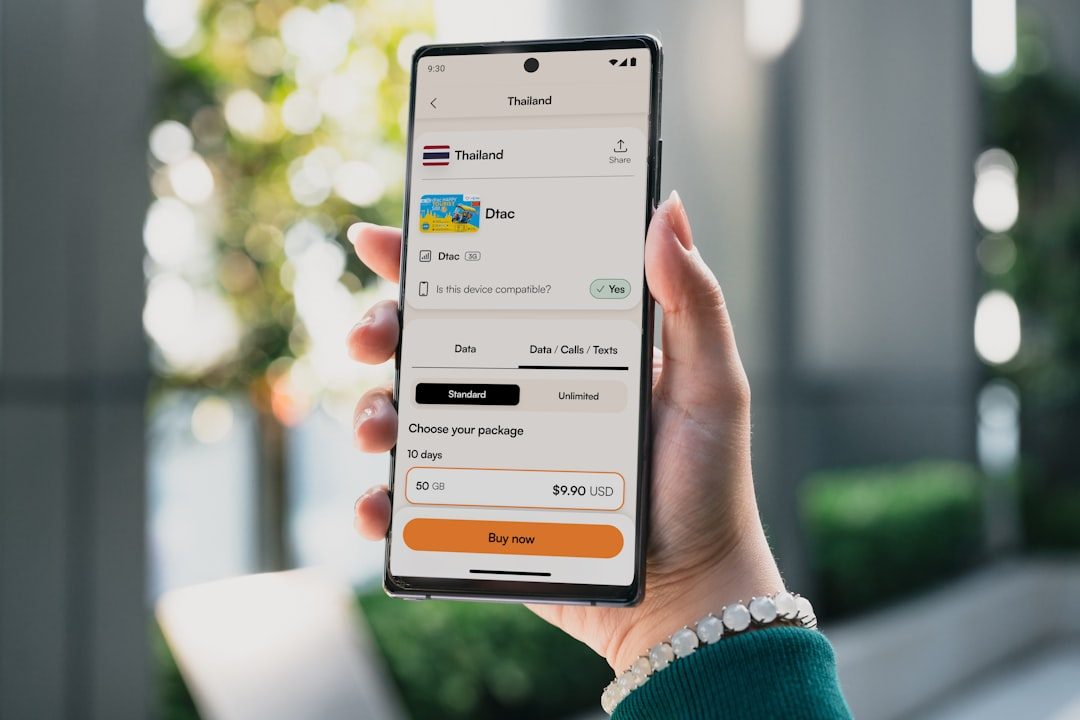
For example, digital nomads may struggle to find reliable short-term rentals with strong Wi-Fi. A focused MVP could address just that issue rather than building a complete booking ecosystem.
Step 2: Conduct Market and Competitor Research
Once the problem is defined, thorough research ensures the idea has real demand.
Key research steps include:
- Market analysis — Identify trends and growth segments in travel.
- Competitor evaluation — Analyze direct and indirect competitors.
- User interviews — Speak with real travelers to validate pain points.
- Gap identification — Discover what current platforms fail to provide.
It is important to study competitors not only for inspiration but to identify differentiation opportunities.
Step 3: Define the Must-Have Features
The biggest mistake startups make when developing a travel MVP is feature overload. The focus should be on essential functionality only.
To prioritize features effectively, use the MoSCoW method:
- Must-have — Core features required for product functionality
- Should-have — Important but not critical
- Could-have — Nice additions
- Won’t-have (for now) — Future roadmap items
For example, a flight comparison MVP might include:
- Search functionality
- Price comparison display
- Basic filters
- Secure redirect to booking provider
It would likely exclude loyalty systems, multi-language support, and advanced AI recommendations at the MVP stage.
Step 4: Choose the Right Technology Stack
Selecting the appropriate technology stack impacts development speed, scalability, and costs.
Common technology options for travel MVPs include:
| Technology | Best For | Advantages | Limitations |
|---|---|---|---|
| React Native | Mobile apps | Cross-platform, cost-effective | May need native modules for complex features |
| Flutter | Mobile apps | Fast development, rich UI | Smaller talent pool compared to React |
| Node.js | Backend services | Scalable, real-time capabilities | Requires optimization for heavy data loads |
| Firebase | MVP backend | Quick setup, built-in authentication | Limited flexibility in complex systems |
The choice depends on available budget, timeline, and long-term scaling plans.
Cloud services such as AWS or Google Cloud are also commonly used for hosting and scalability.
Step 5: Build a Prototype First
Before full development begins, create a clickable prototype. Prototypes visually demonstrate user flow, navigation, and layout.
Benefits of prototyping include:
- Validating user experience
- Identifying design flaws early
- Aligning stakeholders and developers
- Reducing costly development revisions
Tools commonly used for MVP prototyping:
- Figma
- Adobe XD
- Sketch
- InVision
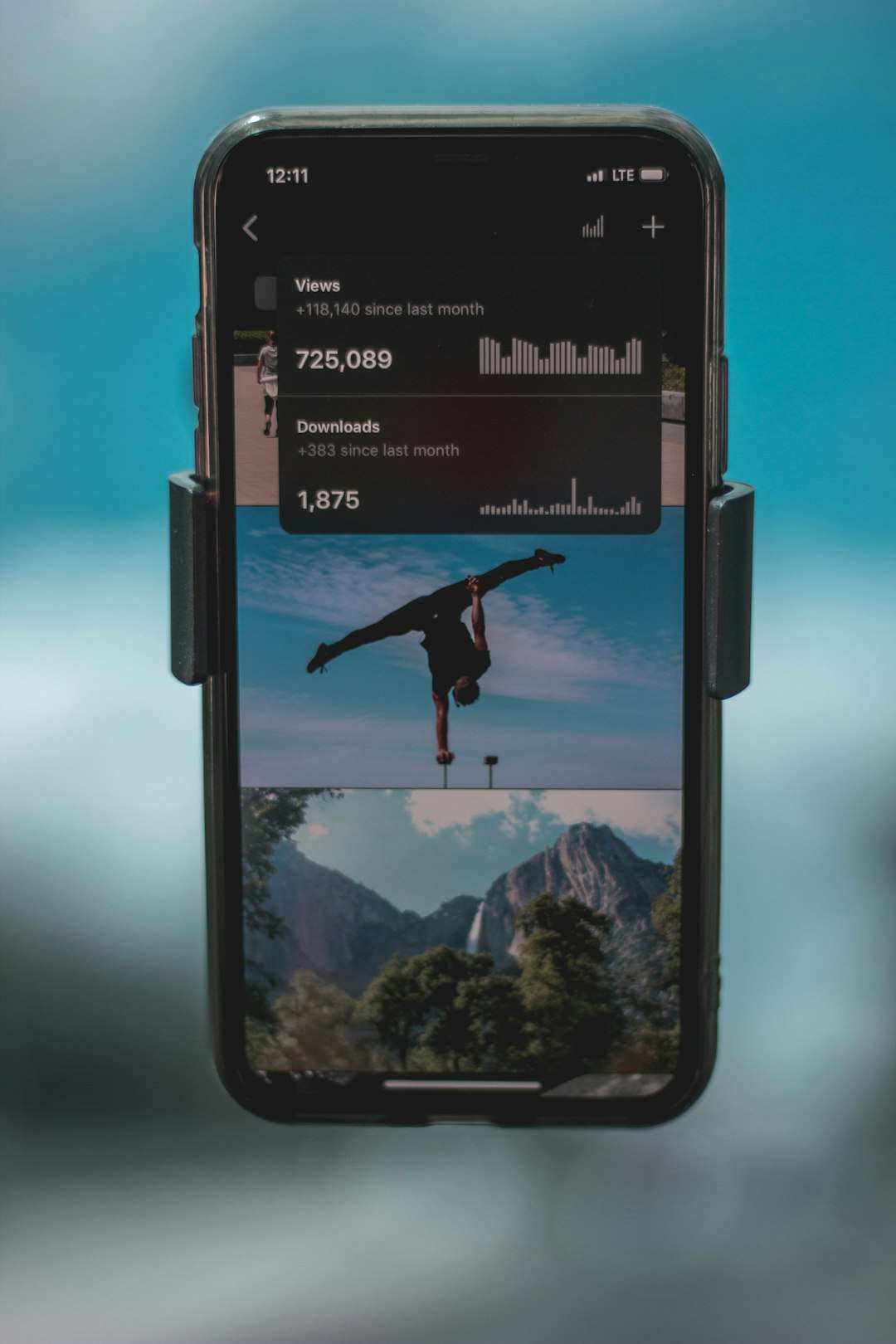
User feedback during this phase can significantly improve the final product.
Step 6: Develop and Integrate APIs
Travel applications often rely heavily on third-party APIs to function effectively. Instead of creating entire data systems from scratch, developers integrate established providers.
Common travel APIs include:
- Amadeus (flight data)
- Skyscanner API
- Booking.com API
- Google Maps API
- Stripe for payment processing
API integration speeds up development and ensures reliable data sources for pricing, availability, and geolocation services.
Step 7: Test Thoroughly Before Launch
Testing ensures product stability and a positive first impression.
Travel MVP testing should include:
- Functional testing — Does everything work as expected?
- Usability testing — Is the app intuitive?
- Performance testing — Can it handle traffic spikes?
- Security testing — Is payment data secure?
A smooth launch builds trust, which is essential in travel platforms that handle financial transactions.
Step 8: Launch and Measure Key Metrics
The launch phase is not the finish line — it marks the beginning of data collection.
Key metrics to monitor include:
- User acquisition cost (CAC)
- Customer retention rate
- Conversion rate
- Average booking value
- Churn rate
Tools such as Google Analytics, Mixpanel, and Hotjar help track user behavior and engagement patterns.
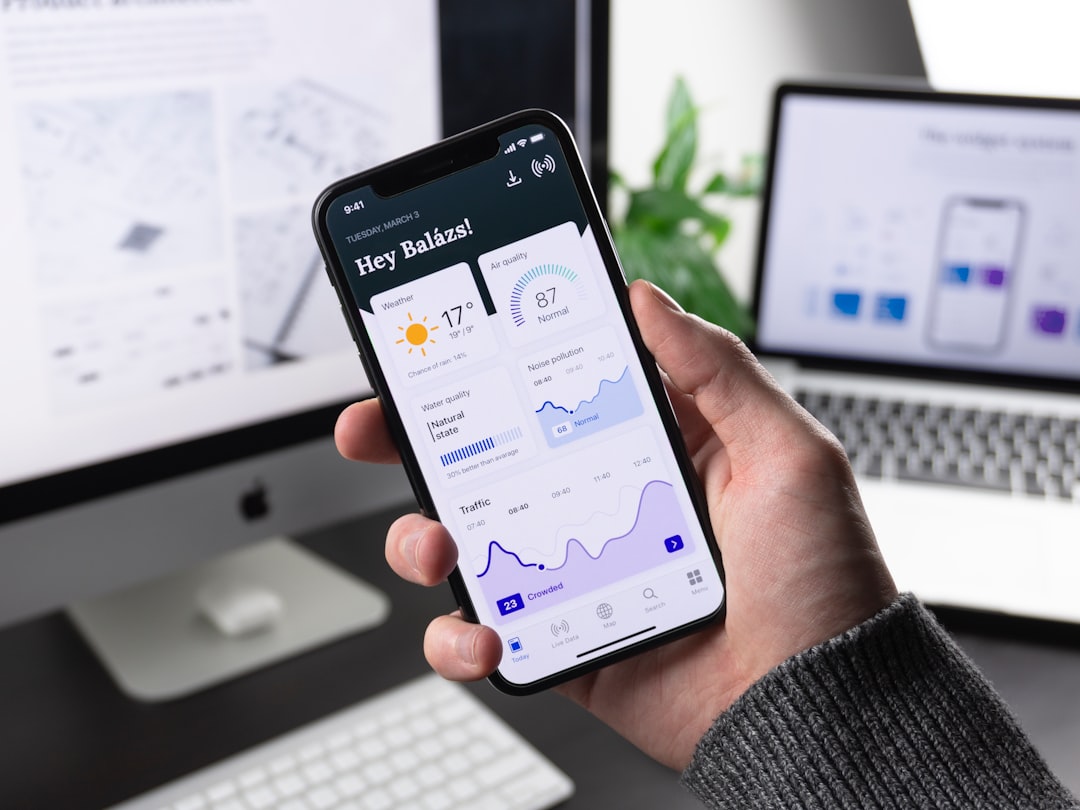
Data-driven decisions allow startups to refine features and adjust business strategies.
Step 9: Collect Feedback and Iterate
Feedback collection is essential for sustainable growth. Early users provide valuable insights that may reshape the product roadmap.
Effective feedback collection methods include:
- In-app surveys
- Email follow-ups
- User interviews
- App store reviews
Iteration should focus on improving user experience and solving unexpected friction points.
Common Mistakes to Avoid
When developing a travel MVP, startups often face similar challenges.
- Overbuilding — Adding too many features too early
- Ignoring compliance — Travel regulations and data protection laws matter
- Underestimating API costs
- Poor UX design
- Skipping real user validation
A focused, disciplined approach significantly increases success chances.
Estimated Timeline and Budget
The time and cost to build a travel MVP depend on complexity.
- Simple MVP — 3 to 4 months
- Medium complexity MVP — 4 to 6 months
- Estimated cost — $20,000 to $80,000
Outsourcing development to experienced startups or agencies often reduces internal hiring risks.
Conclusion
Developing a travel MVP is a strategic way to enter a competitive market with reduced financial risk. By focusing on core functionality, validating demand early, leveraging APIs, and continuously iterating based on real feedback, startups can build scalable solutions rooted in actual user needs.
Success lies not in launching the most complex product but in solving one meaningful problem exceptionally well. From there, growth becomes a process of smart expansion rather than blind investment.
FAQ
1. What is the main purpose of a travel MVP?
The main purpose is to validate a travel business idea with minimal investment by launching a simplified version that solves a core user problem.
2. How long does it take to build a travel MVP?
Typically, it takes between 3 to 6 months depending on project complexity, feature set, and development team size.
3. How much does it cost to develop a travel MVP?
Costs usually range from $20,000 to $80,000, depending on functionality, integrations, and geographic location of developers.
4. Should a travel MVP include payment integration?
If the business model requires direct bookings, secure payment integration is essential even at the MVP stage.
5. Can a travel MVP scale into a full-featured platform?
Yes. A well-architected MVP provides the foundation for expansion, additional features, and integration with advanced technologies like AI personalization.
6. What are the biggest risks in building a travel MVP?
The biggest risks include building too many features, skipping validation, underestimating third-party API costs, and neglecting user experience.