Police officers are among the most visible public servants in the United States, responding to emergencies, investigating crimes, directing traffic, and supporting communities in countless ways. But one common question continues to spark debate and curiosity alike: How many police officers are actually serving in the U.S. today? The answer isn’t as straightforward as you might think. Numbers shift annually due to hiring trends, retirements, funding changes, and evolving public safety needs.
TLDR: There are currently approximately 700,000 to 800,000 sworn law enforcement officers serving in the United States across federal, state, county, and local agencies. When including civilian personnel, total police employment exceeds one million workers. Staffing levels have fluctuated in recent years due to retirements, recruitment challenges, and budget adjustments. Police presence also varies significantly by state, city size, and community needs.
How Many Police Officers Are There in the U.S.?
According to the most recent available data from the Bureau of Justice Statistics (BJS) and FBI reports, there are roughly:
- 700,000–800,000 sworn law enforcement officers
- Over 1 million total law enforcement employees (including civilian staff)
- Approximately 18,000 federal, state, county, and local law enforcement agencies nationwide
A sworn officer is someone with full arrest powers who has completed a law enforcement academy and taken an oath of office. Civilian staff may include dispatchers, crime scene technicians, analysts, administrative employees, and support personnel.
The number of officers is not static. It changes each year depending on:
- Department budgets
- Retirements and resignations
- Recruitment success rates
- Population growth
- Crime trends
- Public policy reforms
Breaking Down the Numbers by Agency Type
U.S. law enforcement is decentralized. That means there is no single national police force. Instead, policing is handled at multiple levels of government.
1. Local Police Departments
Local police departments employ the largest share of officers. These are city or municipal police forces responsible for enforcing laws within city limits.
- Approximately 480,000–500,000 sworn officers
- Over 12,000 local police departments
Large cities like New York, Los Angeles, and Chicago employ thousands of officers. Smaller towns may have fewer than 20.
2. Sheriff’s Offices
Sheriff’s offices operate at the county level. They often run jails, provide court security, and patrol unincorporated areas.
- Around 300,000 employees total
- Roughly 200,000 sworn deputies
Some counties rely heavily on sheriffs because they do not have municipal police departments.
3. State Police and Highway Patrol
State police agencies focus on highway enforcement, statewide investigations, and assisting local agencies.
- About 50,000–70,000 sworn officers
4. Federal Law Enforcement
Federal agencies include the FBI, DEA, ATF, U.S. Marshals, Border Patrol, and many others.
- Approximately 120,000 federal law enforcement officers
Each agency has specialized jurisdiction and investigative authority.
Police Officers Per Capita: How Does the U.S. Compare?
A useful way to understand policing levels is by examining officers per capita.
The United States averages about:
- 2.1 to 2.4 officers per 1,000 residents
This ratio varies widely depending on location. For example:
- Large metropolitan areas may exceed 3.5 officers per 1,000 residents
- Some rural states may have fewer than 1.5 per 1,000
Internationally, the U.S. falls somewhere in the middle compared to developed countries. Some European nations have higher officer-per-capita rates, while others rely more heavily on centralized policing systems.
Recent Trends in Police Staffing
Police staffing levels have shifted noticeably over the past decade.
Image not found in postmetaDecline in Recruiting
Many departments report recruitment challenges. Surveys from law enforcement associations indicate:
- Fewer applicants per open position
- Higher retirement rates
- Increased resignations in some regions
Departments cite factors such as changing public perceptions, job stress, and competition from private-sector careers.
Budget Fluctuations
After 2020, some jurisdictions adjusted police budgets up or down based on local political and public priorities. In many cities, funding has since been restored or increased, but hiring has not always kept pace with authorized positions.
Growth in Civilian Roles
Many agencies are shifting certain responsibilities to civilian personnel. This allows sworn officers to focus on enforcement duties while civilians manage:
- Data analysis
- Mental health crisis response coordination
- Administrative tasks
- Community outreach programs
Largest Police Departments in the U.S.
A small number of departments account for a significant percentage of total officers nationwide.

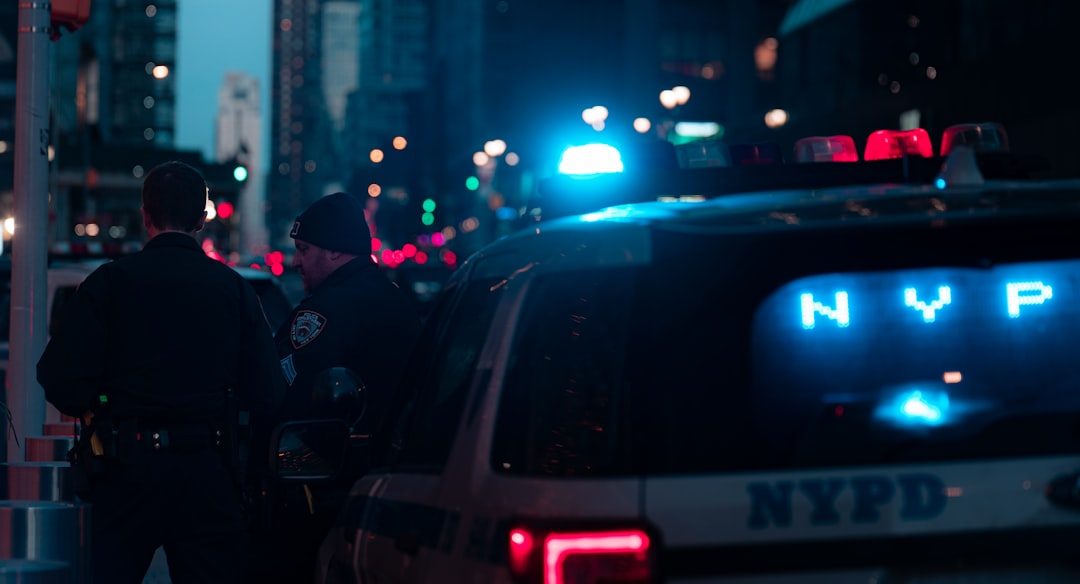
- New York Police Department (NYPD) – Approximately 35,000 uniformed officers
- Los Angeles Police Department (LAPD) – Around 9,000 officers
- Chicago Police Department – Nearly 12,000 officers
- Houston Police Department – About 5,000 officers
Despite their size, these departments represent only a fraction of total U.S. law enforcement agencies. Most police departments across the country employ fewer than 50 officers.
Police Officers by State
Officer counts also vary dramatically from state to state. Factors influencing staffing include:
- Population size
- Urban density
- Crime rates
- State funding structures
For example:
- California and Texas have some of the largest total officer counts due to population size.
- New York has one of the highest officer-per-capita ratios among large states.
- Less populated states like Wyoming or Vermont have significantly smaller total forces.
Diversity in Law Enforcement
The composition of police forces is also evolving.
Current national estimates suggest:
- Approximately 12–15% of officers are women
- About 27% of officers identify as racial or ethnic minorities
Many agencies have implemented recruitment initiatives aimed at increasing diversity to better reflect the communities they serve.
Future Outlook: Will Officer Numbers Increase?
Looking ahead, several trends could reshape police staffing levels:
- Technological integration: Automation and data tools may reduce the need for certain administrative roles.
- Community policing models: Expanded civilian crisis response teams could adjust sworn staffing needs.
- Population growth: Expanding metro areas may need more officers.
- Officer retirement wave: Many current officers hired in the 1990s are approaching retirement eligibility.
Some departments are working to boost recruitment with signing bonuses, tuition assistance, lateral transfers, and updated hiring standards.
Why the Numbers Matter
Understanding how many police officers serve in the U.S. isn’t just about statistics. Staffing levels affect:
- Emergency response times
- Community engagement programs
- Crime prevention strategies
- Officer workload and burnout
Too few officers can strain departments. Too many without proper allocation can create budget concerns. Finding the right balance is an ongoing conversation among policymakers, community leaders, and law enforcement professionals.
Key Takeaways
- The U.S. has roughly 700,000–800,000 sworn police officers.
- Total law enforcement employment exceeds one million personnel.
- There are around 18,000 separate law enforcement agencies.
- Staffing levels vary widely by state, population, and funding.
- Recruitment and retirement trends are shaping future totals.
Ultimately, the number of police officers in the United States reflects the country’s decentralized governance system and diverse public safety needs. From small-town deputies to big-city detectives and federal agents, these hundreds of thousands of professionals form one of the largest law enforcement networks in the world. And as communities evolve, so too will the size and structure of the American police force.