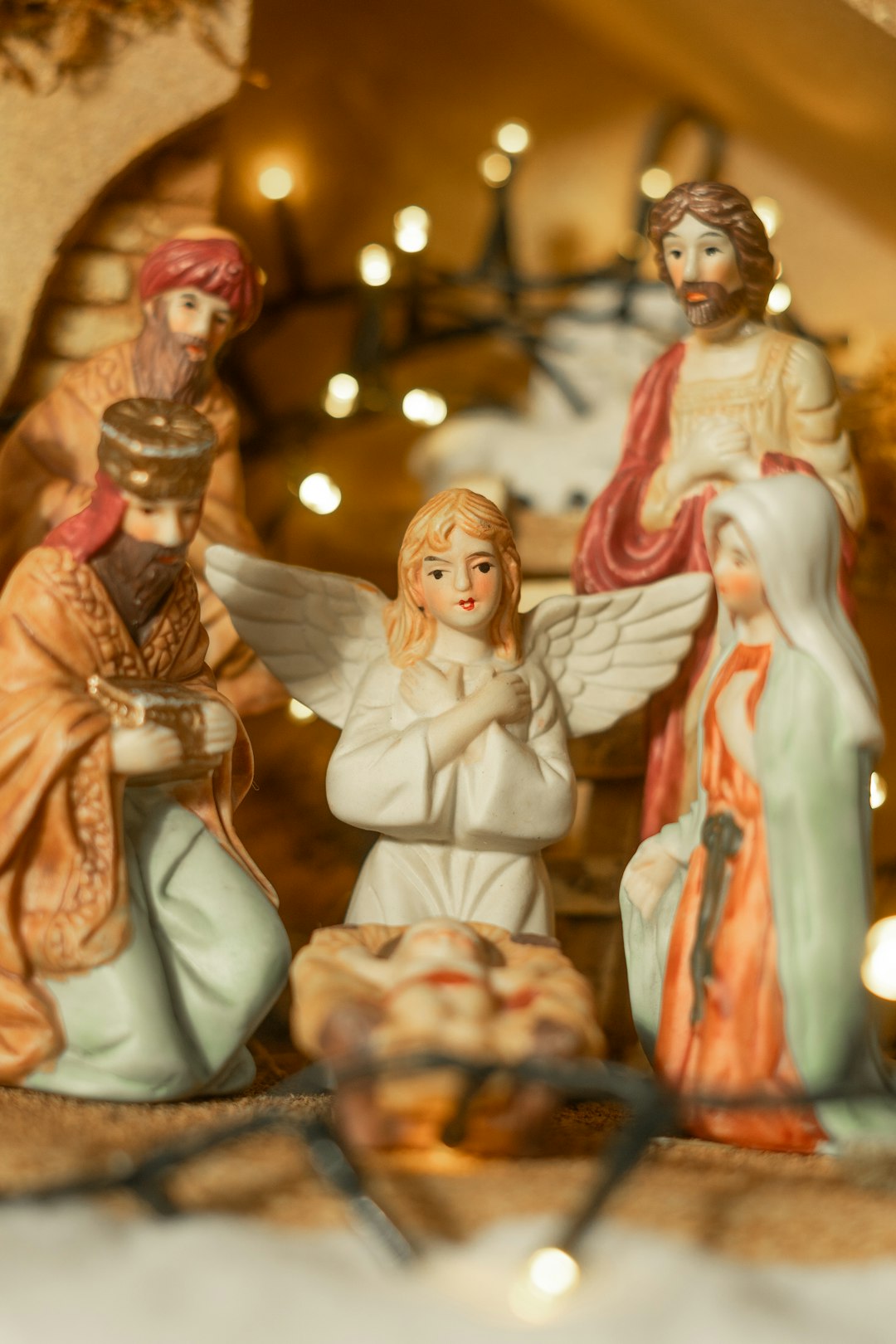
Have you ever seen a small wooden stable filled with tiny фигурines at Christmas time? That little scene is called a nativity scene. It tells a big story in a simple way. For millions of people around the world, it is one of the most loved symbols of Christmas.
TLDR: A nativity scene is a display that shows the birth of Jesus in Bethlehem. It usually includes baby Jesus, Mary, Joseph, shepherds, angels, animals, and the Wise Men. The tradition began in 1223 with St. Francis of Assisi in Italy. Today, nativity scenes come in many styles and are displayed in homes, churches, and public spaces around the world.
What Is a Nativity Scene?
A nativity scene is a visual display of the night Jesus Christ was born. The word “nativity” means birth. In this case, it refers to the birth of Jesus as told in the Bible.
The scene usually shows a small stable or barn. Inside, you will see baby Jesus lying in a manger. A manger is a feeding box for animals. Around him stand his mother Mary and her husband Joseph.
Most nativity scenes also include:
- Shepherds who came from nearby fields
- Angels who announced the birth
- Farm animals like cows, sheep, and donkeys
- The Three Wise Men (also called Magi or Kings)
- The Star of Bethlehem shining above
Some scenes are small enough to fit on a table. Others are life-sized and set up outside churches. No matter the size, the message is the same. It celebrates hope, peace, and joy.
What Is the Meaning Behind a Nativity Scene?
The nativity scene is more than just holiday decoration. It carries deep meaning for Christians.
Here are a few key ideas it represents:
- Humility – Jesus was born in a simple stable, not a palace.
- Hope – Christians believe his birth brought hope to the world.
- Peace – Angels announced peace on Earth.
- Joy – The birth was seen as good news for everyone.
The setting is very simple. That simplicity matters. It reminds people that greatness can begin in small and quiet places.
Even the visitors have meaning. The shepherds were ordinary people. The Wise Men were wealthy travelers. Together, they show that the message of Christmas is for everyone.
Where Did the Nativity Scene Come From?
You might think nativity scenes started with Christmas decorations in stores. But the tradition is actually over 800 years old.
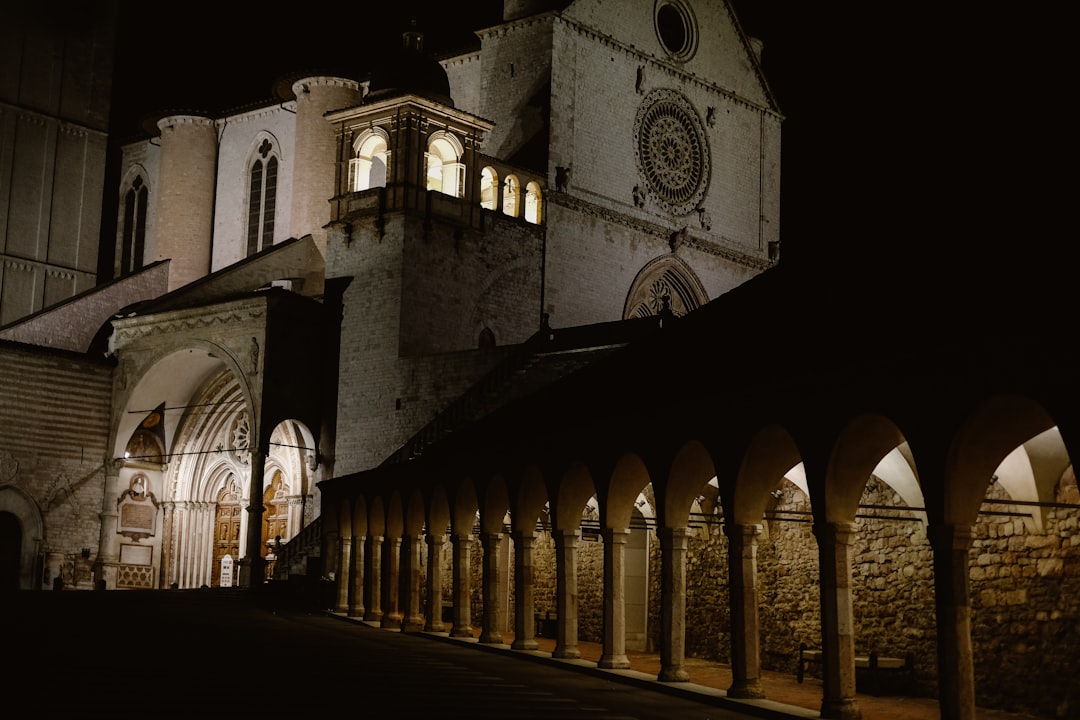
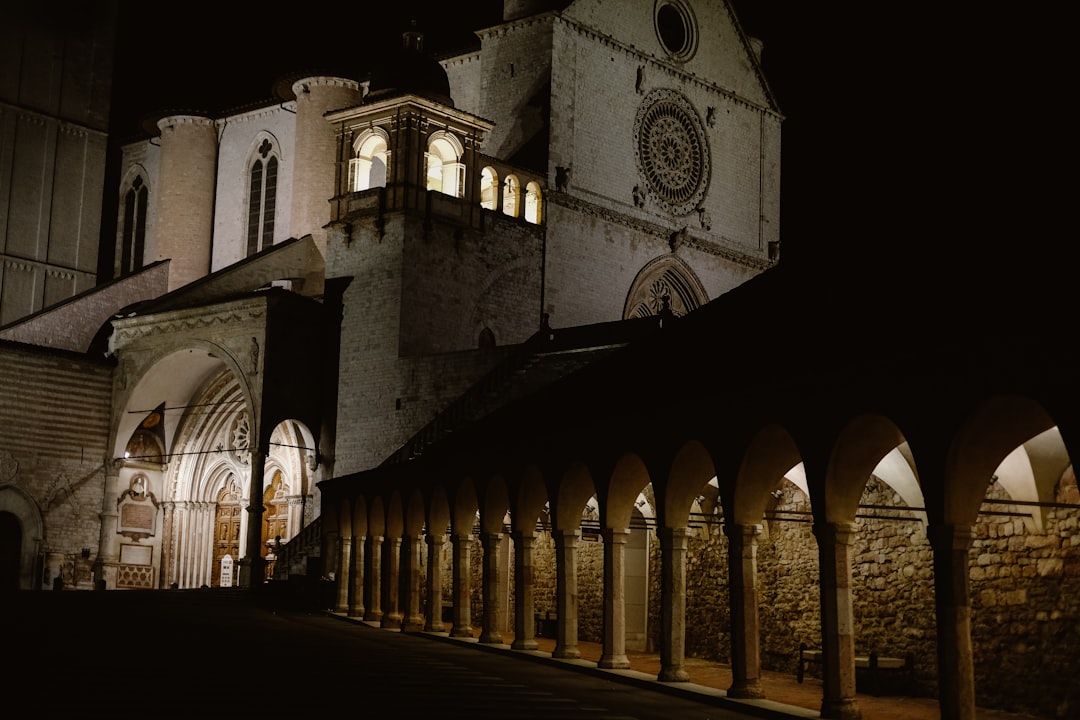
In the year 1223, a man named St. Francis of Assisi created the first live nativity scene in Italy. He wanted people to better understand the story of Jesus’ birth.
Instead of carved figures, he used real people and animals. There was a real baby. Real hay. Real villagers watching the scene unfold.
This live display was powerful. It helped people imagine what that night in Bethlehem might have been like. The idea quickly became popular.
Soon, churches across Europe began creating their own nativity displays. Over time, carved statues replaced live actors. Artists began crafting detailed figures from wood, clay, and ivory.
By the 1600s and 1700s, nativity scenes were common in homes as well as churches.
How Nativity Scenes Spread Around the World
As Christianity spread, so did the nativity tradition.
Different countries added their own style and culture:
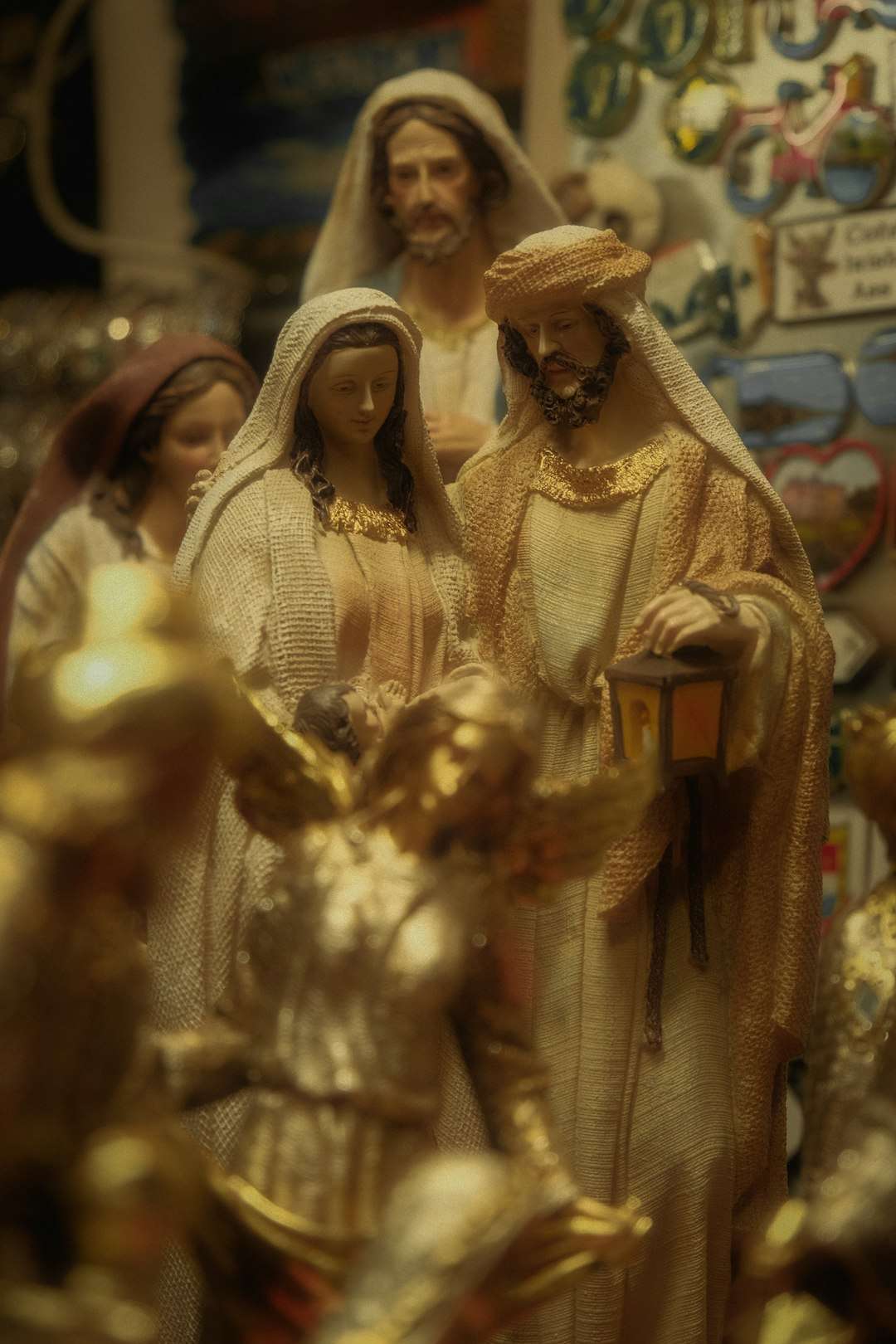
- Italy – Known for detailed and colorful фигурines.
- Germany – Famous for hand-carved wooden sets.
- Mexico – Often includes bright colors and extra village characters.
- Philippines – Displays called “Belen” are very popular.
- France – Uses small clay figures called “santons.”
In some countries, entire villages are recreated around the stable. Bakers, blacksmiths, and musicians may be added. These extra figures are not in the Bible story, but they help show daily life at the time.
This makes each nativity scene unique. No two are exactly alike.
What Figures Are Usually Included?
Let’s take a closer look at the main characters.
1. Baby Jesus
The center of the scene. He is usually shown lying in a manger wrapped in cloth.
2. Mary
Jesus’ mother. She is often shown kneeling or watching over the baby.
3. Joseph
Mary’s husband. He is usually standing nearby holding a staff.
4. Shepherds
They were told by angels about the birth. They represent ordinary people.
5. The Wise Men
They followed a star to find Jesus. They brought gifts of gold, frankincense, and myrrh.
6. Angels
They appear above the stable or hovering in the sky.
7. Animals
Cows, sheep, and donkeys remind us that Jesus was born in a place meant for animals.
When Are Nativity Scenes Displayed?
Most nativity scenes are put on display during the Advent season. That is the four weeks leading up to Christmas.
Some families wait until Christmas Eve to place baby Jesus in the manger. This adds excitement and meaning to the celebration.
The Wise Men are sometimes added later. In certain traditions, they are placed in the scene on January 6. This day is called Epiphany, which celebrates their visit.
Different Types of Nativity Scenes
Nativity scenes come in many forms today. Here are some popular types:
- Traditional Figurine Sets – Small statues arranged on a table.
- Outdoor Light Displays – Glowing figures set up in yards.
- Living Nativities – Real people and animals acting out the story.
- Modern Artistic Versions – Minimalist or abstract designs.
- Children’s Sets – Soft or plastic figures safe for play.
Some are simple and small. Others are grand and detailed. Both are meaningful.
Why Do People Still Love Nativity Scenes Today?
In a world full of bright lights and busy shopping, the nativity scene is quiet. It invites people to slow down.
Many families set up the scene together. It becomes a special tradition. Parents tell the story. Children move the фигурines around. Memories are made.
For believers, it is a reminder of faith. For others, it is part of cultural history and art.
Even people who are not religious may appreciate the craftsmanship. Some sets are true works of art passed down for generations.
Are Nativity Scenes Ever Controversial?
Sometimes, yes.
When nativity scenes are placed on public property, debates can happen. People may discuss the balance between religious freedom and public spaces.
Because of this, some towns include displays from many different religions during the holiday season. Others keep nativity scenes on church grounds or private property.
Despite debates, the tradition continues strong in homes and churches worldwide.
Fun Facts About Nativity Scenes
- The largest nativity scene ever made covered thousands of square feet.
- Naples, Italy is famous for extremely detailed nativity craftsmanship.
- Some collectors own hundreds of sets from different countries.
- The word for nativity scene in Spanish is “Nacimiento.”
- In Germany, it is called “Krippe.”
Final Thoughts
A nativity scene may look small. But its story is big.
It tells of a baby born in humble surroundings. It speaks of hope in dark times. It bridges cultures and centuries.
From a live display in a tiny Italian village in 1223 to glowing yard decorations today, the nativity scene has traveled far. Yet its message remains simple.
Peace. Hope. Joy.
And sometimes, the most powerful stories are told in the quietest ways.