Recurring revenue has transformed the way modern companies grow, scale, and retain customers. From SaaS platforms and streaming services to subscription boxes and digital memberships, predictable income models are now at the core of countless successful businesses. But behind every seamless monthly charge lies a complex web of billing cycles, pricing tiers, revenue recognition rules, amendments, and compliance requirements. That’s where subscription billing software like Zuora steps in—turning operational chaos into streamlined revenue management.
TLDR: Subscription billing software helps companies automate recurring payments, manage pricing models, and ensure compliance with accounting standards. Platforms like Zuora provide advanced tools for invoicing, revenue recognition, analytics, and customer lifecycle management. These systems reduce errors, improve forecasting, and support flexible pricing strategies. For businesses relying on recurring revenue, they are essential for sustainable growth and operational efficiency.
Why Recurring Revenue Is More Complex Than It Seems
On the surface, charging customers monthly or annually sounds straightforward. In reality, recurring billing introduces layers of complexity:
- Multiple pricing tiers with upgrades and downgrades
- Usage-based or hybrid pricing models
- Proration calculations for mid-cycle changes
- Coupon codes and promotional discounts
- Global tax compliance requirements
- Revenue recognition standards such as ASC 606 and IFRS 15
Manually managing these moving parts in spreadsheets—or forcing them into traditional accounting systems—inevitably leads to billing errors, failed payments, customer frustration, and reporting headaches. Subscription billing software exists to eliminate those inefficiencies.
What Is Subscription Billing Software?
Subscription billing software is a specialized system designed to automate and manage recurring transactions. Unlike traditional billing tools that focus on one-time invoices, subscription platforms are built for dynamic customer lifecycles.
Solutions like Zuora provide:
- Automated recurring invoicing
- Flexible pricing configuration
- Payment processing integrations
- Subscription lifecycle management
- Revenue recognition automation
- Advanced reporting and analytics
Instead of retrofitting outdated systems to support modern pricing strategies, businesses can rely on purpose-built platforms designed for subscription growth.
Core Features That Make Recurring Revenue Management Easy
1. Flexible Pricing and Packaging
Modern customers expect choice. Subscription billing platforms enable businesses to offer:
- Tiered pricing
- Per-user pricing
- Usage-based billing
- Flat-rate subscriptions
- Hybrid models combining fixed and variable costs
Zuora and similar tools allow non-technical teams to configure pricing without engineering support. This flexibility speeds up innovation, enabling companies to test new models quickly.
2. Automated Invoicing and Payments
Recurring billing software automatically generates invoices based on billing cycles and customer agreements. It supports:
- Credit cards
- ACH transfers
- Digital wallets
- Global payment gateways
Automation reduces failed payments and supports retry logic, helping to decrease involuntary churn.
3. Subscription Lifecycle Management
From sign-up to renewal, cancellation, upgrade, or downgrade, subscription billing platforms track every stage of the customer journey. This ensures proration is calculated accurately and revenue is recorded correctly.
Lifecycle automation is particularly valuable for high-growth SaaS companies, where customer volume makes manual adjustments impossible.
4. Revenue Recognition Compliance
Accounting standards require revenue to be recognized over time, not just when cash is received. Platforms like Zuora automate revenue schedules in accordance with ASC 606 and IFRS 15.
This automation:
- Reduces compliance risk
- Simplifies audits
- Improves financial transparency
5. Real-Time Analytics and Reporting
Subscription businesses depend heavily on metrics such as:
- Monthly Recurring Revenue (MRR)
- Annual Recurring Revenue (ARR)
- Customer Lifetime Value (CLV)
- Churn rate
- Expansion revenue
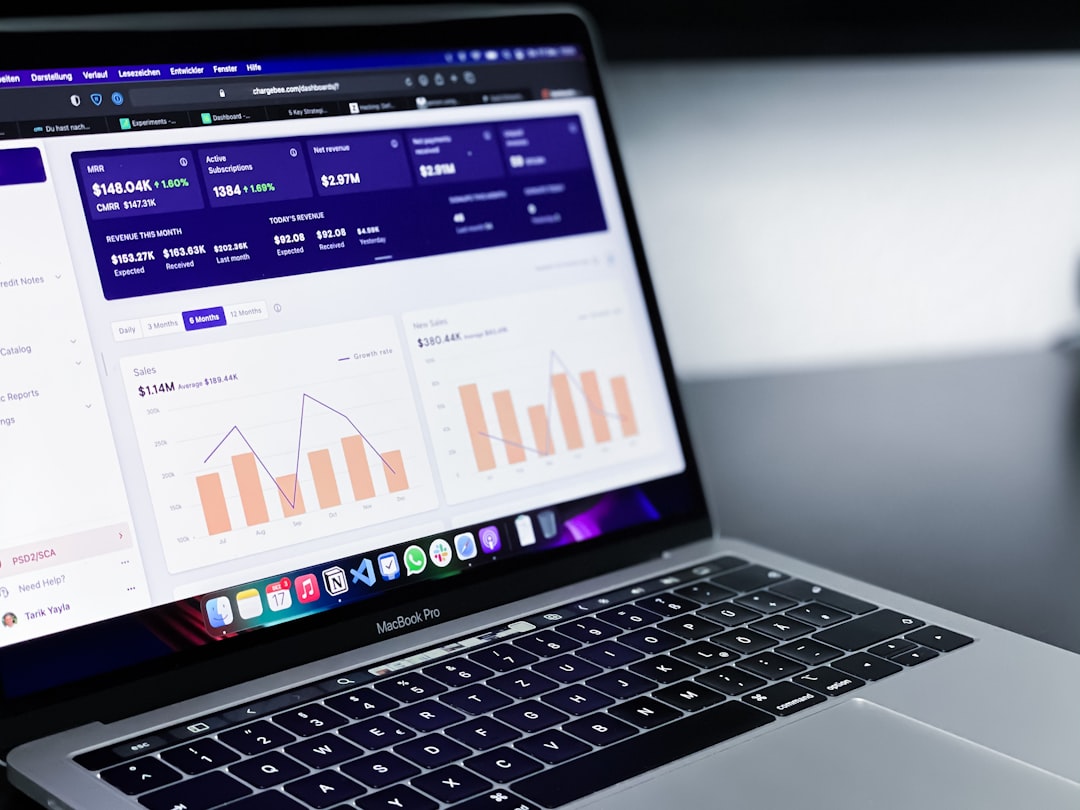
Built-in dashboards provide leadership teams with accurate forecasting and performance insights.

Tools Like Zuora: A Comparison
While Zuora is a leading enterprise solution, it’s not the only subscription billing platform available. Below is a comparison of several prominent tools:
| Platform | Best For | Key Strengths | Complexity Level |
|---|---|---|---|
| Zuora | Enterprise SaaS and global businesses | Advanced revenue recognition, complex pricing, scalability | High |
| Chargebee | Mid-market SaaS and startups | User-friendly interface, broad integrations, tax support | Medium |
| Recurly | Subscription ecommerce and media | Strong dunning management, churn reduction tools | Medium |
| Stripe Billing | Developers and tech-focused businesses | API-first approach, seamless Stripe payments integration | Low to Medium |
Each platform has its strengths. Large organizations with complex global needs often gravitate toward Zuora. Smaller companies may prefer simpler tools that prioritize ease of use and faster implementation.
The Benefits of Implementing Subscription Billing Software
Operational Efficiency
Automation eliminates repetitive tasks such as manual invoicing and spreadsheet updates. Finance teams can focus on strategy rather than administrative work.
Improved Cash Flow
Smart payment retry mechanisms and automated reminders reduce failed transactions. Better collections translate directly into improved revenue retention.
Reduced Errors
Manual billing is prone to miscalculations and inconsistencies. Subscription software ensures pricing rules are applied consistently every time.
Scalability
As businesses expand internationally, billing complexity multiplies. Multi-currency support, localized tax rules, and global compliance features make scaling smoother.
Enhanced Customer Experience
Self-service portals allow customers to:
- Update payment methods
- View invoices
- Upgrade or downgrade plans
- Manage subscriptions independently
A seamless billing experience strengthens brand trust and reduces support tickets.
Who Needs Subscription Billing Software?
While SaaS companies are the most obvious users, many industries benefit from recurring revenue management platforms:
- Streaming platforms
- Membership organizations
- Telecommunications providers
- Subscription box companies
- Online education platforms
- Fitness and wellness memberships
Any business moving from one-time sales to recurring revenue will quickly discover that conventional accounting tools aren’t enough.

Key Considerations Before Choosing a Platform
Not all subscription billing software is created equal. Before committing, businesses should evaluate:
1. Pricing Complexity
If your business model involves frequent plan changes or usage-based charges, you’ll need a platform that supports advanced configurations.
2. Integration Requirements
Ensure the system integrates with your existing CRM, ERP, and payment gateways.
3. Global Compliance
Operating internationally requires multi-currency support and local tax calculations.
4. Scalability
Choose a system that can accommodate growth without requiring a future migration.
5. Total Cost of Ownership
Consider licensing fees, transaction charges, implementation costs, and ongoing support.
The Strategic Impact of Subscription Billing Platforms
Beyond operational convenience, subscription billing software plays a strategic role in shaping business success. Accurate data enables smarter pricing experiments, targeted retention efforts, and more precise financial forecasting. Leaders can confidently answer critical questions like:
- Which pricing tier generates the most expansion revenue?
- Where is churn occurring—and why?
- How does customer tenure affect profitability?
This data-driven decision-making strengthens competitive advantage in crowded markets.
The Future of Recurring Revenue Management
The subscription economy continues to evolve. Emerging trends include:
- AI-powered churn prediction
- Advanced revenue forecasting models
- Micro-subscriptions and flexible payment schedules
- Embedded finance integrations
As innovation accelerates, billing platforms are becoming more intelligent and predictive rather than merely transactional.
Final Thoughts
Subscription billing software like Zuora is no longer a luxury for high-growth businesses—it’s a necessity. Managing recurring revenue manually is risky, inefficient, and unsustainable at scale. With the right platform in place, organizations gain automation, compliance, analytical clarity, and pricing agility.
In a world where customer relationships are ongoing rather than one-time transactions, recurring revenue management defines long-term success. Investing in the right subscription billing software not only simplifies operations—it empowers businesses to grow predictably, innovate confidently, and compete effectively in the subscription economy.