
As digital ecosystems expand, organizations increasingly rely on APIs to connect services, applications, partners, and customers. However, simply deploying APIs is not enough; companies must monitor, secure, optimize, and analyze how those APIs are being used. This is where API gateway analytics platforms like Apigee play a vital role. These platforms act as intermediaries between clients and backend services while providing robust analytics, governance, and performance insights that help organizations manage API usage effectively and strategically.
TLDR: API gateway analytics platforms such as Apigee help organizations monitor, secure, and optimize their APIs through centralized control and data-driven insights. They provide visibility into usage patterns, performance metrics, security threats, and developer activity. With features like traffic management, monetization tools, and predictive analytics, businesses can make smarter decisions about scaling and improving their APIs. Ultimately, these platforms transform APIs from simple connectors into valuable business assets.
Understanding API Gateways and Their Role
An API gateway acts as a single entry point for all client requests to backend services. Instead of multiple clients communicating directly with multiple services, the gateway routes traffic, enforces policies, handles authentication, and collects analytics data.
Platforms like Apigee extend this gateway function by offering advanced management and analytics features. They do not merely route traffic—they provide:
- Traffic monitoring and throttling
- Authentication and authorization enforcement
- Rate limiting and quota management
- Real-time and historical analytics dashboards
- Error tracking and performance diagnostics
By centralizing these capabilities, organizations gain control and visibility over their entire API ecosystem.

The Importance of API Analytics
Modern enterprises rely on APIs not only for internal systems but also for external developer ecosystems and partner integrations. Without analytics, organizations lack insight into:
- Which APIs are most frequently used
- How traffic fluctuates over time
- Where performance bottlenecks occur
- Which clients consume the most resources
- Whether security policies are effective
API analytics platforms like Apigee collect and process large volumes of traffic data in real time. Through sophisticated dashboards and reporting capabilities, stakeholders can see usage patterns down to specific endpoints, geographic regions, or individual developers.
This level of granularity enables teams to identify trends, diagnose problems faster, and align API strategies with broader business objectives.
Core Features of Apigee-Style API Gateway Analytics Platforms
1. Traffic and Performance Monitoring
Traffic monitoring provides visibility into request volumes, latency, error rates, and throughput. Apigee, for example, offers customizable dashboards that display performance metrics in near real time.
Organizations can:
- Track average response time
- Identify high-latency endpoints
- Analyze peak traffic hours
- Receive alerts for unusual traffic spikes
With these insights, infrastructure can be scaled according to demand, improving overall reliability and user experience.
2. Security Analytics and Threat Detection
APIs are common targets for cyberattacks. API gateway analytics platforms integrate security policies directly into the traffic flow. They collect data that helps security teams detect anomalies such as:
- Unusual traffic patterns
- Repeated authentication failures
- Excessive requests from a single IP address
- Potential denial-of-service attempts
By analyzing security metrics, organizations can proactively mitigate threats before they escalate.

3. Usage Insights and Developer Analytics
API platforms are often used to build external developer ecosystems. In these cases, analytics tools measure developer engagement and API adoption. Key insights may include:
- Number of active developers
- Apps registered per API product
- API call volumes per application
- Error rates by developer
These metrics help product managers understand which APIs are gaining traction and which may require improvements or better documentation.
4. Rate Limiting and Quota Management
With detailed analytics, organizations can enforce usage policies more effectively. Rate limiting prevents individual users or applications from consuming excessive resources. Quotas ensure fair distribution of system capacity.
Gateways like Apigee allow administrators to define policies based on:
- User roles
- Subscription plans
- Geographic location
- Time intervals
Analytics then tracks compliance and highlights policy violations in real time.
5. Monetization and Business Intelligence
Some organizations treat APIs as revenue-generating products. API analytics platforms support monetization through subscription models, usage-based pricing, and tiered access plans.
By analyzing data such as call volumes, resource consumption, and premium feature usage, businesses can optimize pricing models and forecast revenue more accurately.
Benefits for Different Stakeholders
API gateway analytics platforms deliver value to multiple teams across an organization.
For Developers
- Faster debugging through error tracking
- Improved reliability thanks to performance monitoring
- Clear documentation and usage metrics
For Operations Teams
- Real-time infrastructure insights
- Automated scaling triggers
- Centralized traffic control
For Security Teams
- Threat detection alerts
- Audit logs for compliance
- Policy enforcement monitoring
For Business Leaders
- Strategic visibility into API performance
- Usage-based revenue projections
- Data-driven decision-making capabilities
This cross-functional impact makes API analytics platforms essential components of modern digital infrastructure.
Data Visualization and Reporting Capabilities
The effectiveness of an analytics platform depends largely on its ability to present data clearly. Apigee-style platforms provide:
- Interactive dashboards for real-time monitoring
- Custom reports tailored to business goals
- Trend analysis charts showing long-term patterns
- Exportable datasets for external BI tools
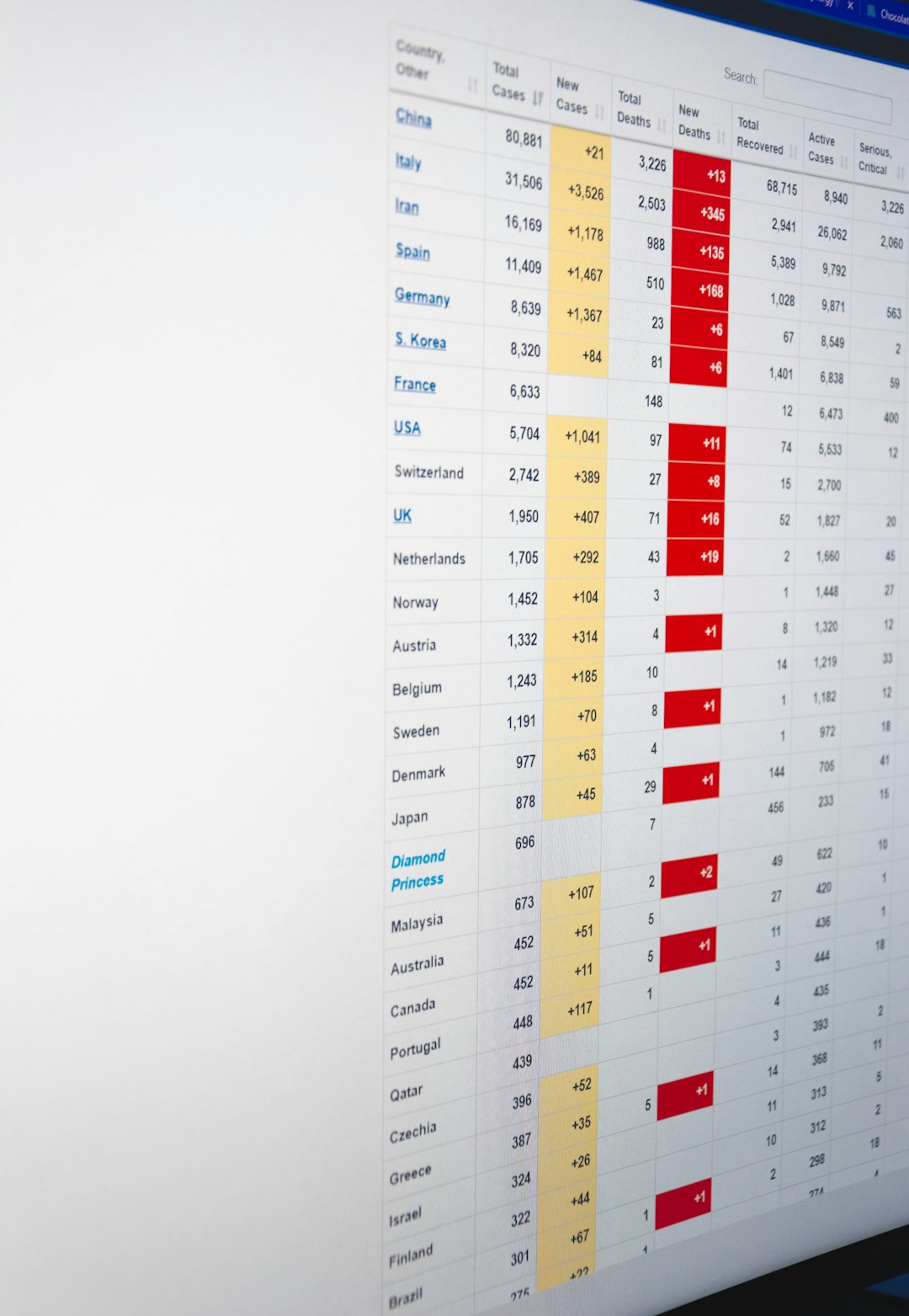
These visualization tools enable teams to transform raw data into actionable insights. Rather than sifting through logs manually, administrators can instantly identify patterns and anomalies.
Scalability and Cloud Integration
As API traffic grows, infrastructure must scale seamlessly. API gateway analytics platforms are typically cloud-native or hybrid-ready, allowing organizations to:
- Handle millions of requests per second
- Distribute traffic across regions
- Balance loads automatically
- Maintain uptime during spikes
Integration with cloud services enhances resilience and elasticity. Analytics data further informs scaling strategies by revealing peak usage times and regional consumption patterns.
Compliance and Governance Support
Many industries require strict compliance with regulations such as GDPR, HIPAA, or PCI DSS. API gateway analytics platforms help maintain governance through:
- Comprehensive audit trails
- Data access logs
- Policy-based routing
- Automated compliance reporting
These capabilities ensure that API interactions adhere to regulatory standards while maintaining transparency.
Challenges and Considerations
While platforms like Apigee provide powerful functionality, implementation requires careful planning. Common challenges include:
- Integration complexity with legacy systems
- Configuration overhead for security policies
- Cost management as traffic scales
- Data overload without proper reporting structure
To maximize value, organizations must align analytics metrics with business objectives rather than simply collecting data for its own sake.
The Future of API Analytics
API management continues to evolve alongside advances in artificial intelligence and machine learning. Emerging trends include:
- Predictive analytics for traffic forecasting
- Anomaly detection powered by AI models
- Automated policy adjustments based on usage patterns
- Enhanced integration with DevOps pipelines
As APIs increasingly power digital transformation, analytics platforms will move beyond descriptive insights toward proactive optimization and automated governance.
Organizations that invest in comprehensive API analytics frameworks position themselves to adapt quickly to market demands, enhance security posture, and innovate confidently.
FAQ
1. What is an API gateway analytics platform?
An API gateway analytics platform is a tool that manages API traffic while collecting and analyzing data about usage, performance, security, and user behavior. It serves as a centralized control point for monitoring and optimizing API ecosystems.
2. How does Apigee differ from a basic API gateway?
While a basic API gateway primarily routes requests and enforces security, Apigee-style platforms offer advanced analytics, monetization tools, developer portals, compliance reporting, and detailed performance dashboards.
3. Why is API analytics important for businesses?
API analytics provides visibility into traffic patterns, user engagement, revenue opportunities, and security risks. This data supports strategic decision-making and ensures optimal performance and scalability.
4. Can API analytics platforms improve security?
Yes. These platforms monitor traffic in real time, detect anomalies, enforce authentication policies, and provide audit logs. This enhances threat detection and regulatory compliance.
5. Are API gateway analytics platforms suitable for small businesses?
They can benefit small businesses, especially those relying heavily on integrations or digital products. However, smaller organizations should evaluate cost, scalability needs, and implementation complexity before adoption.
6. How do these platforms support API monetization?
They track usage metrics such as API calls and resource consumption, enabling businesses to create subscription models, enforce quotas, and generate revenue reports based on analytics data.
In an increasingly API-driven world, platforms like Apigee provide the analytics backbone required to transform APIs from technical connectors into strategic business tools.