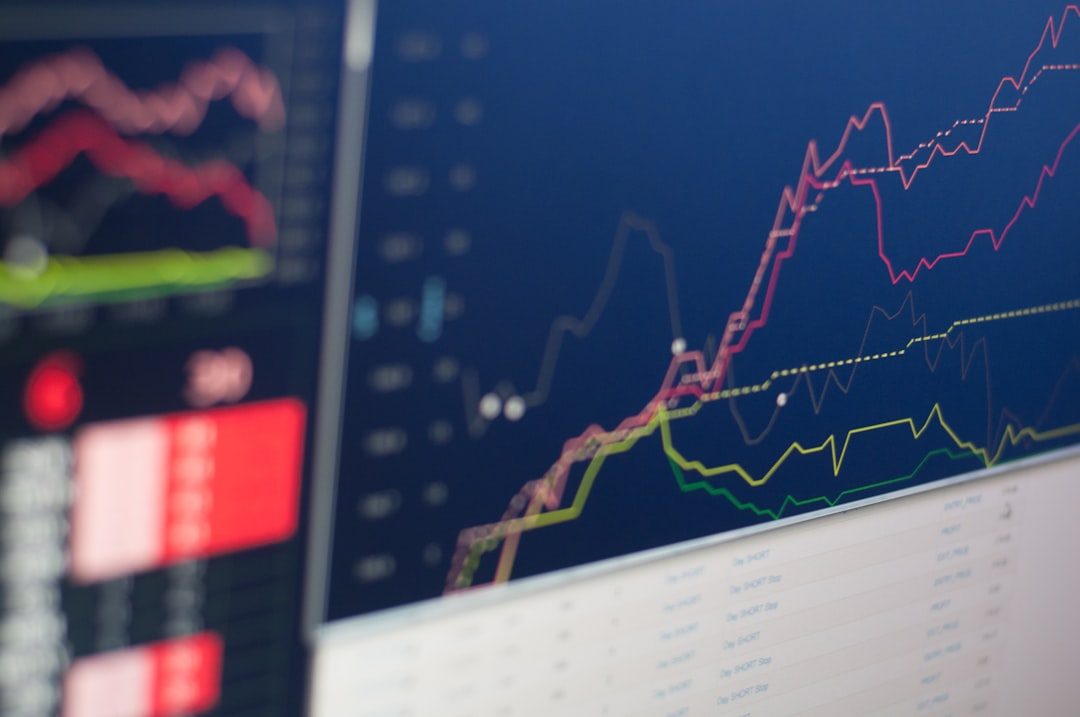
For investors watching the UK market, the FTSE 100 is more than a headline index; it is a live snapshot of global energy demand, banking confidence, consumer spending, currency pressure, and institutional risk appetite. A fintechzoom.com FTSE 100 live chart can be useful because it brings price movement, intraday direction, market sentiment, and technical signals into one convenient view. When read correctly, the chart does not just show where the index is trading; it helps explain why it may be moving.
TLDR: The FTSE 100 live chart helps traders and investors track real-time movement in the UK’s leading stock index. Key insights come from price action, volume, support and resistance, sector performance, and global macro events. Platforms such as fintechzoom.com can be useful for monitoring live index behavior, but the best decisions come from combining chart analysis with economic context and risk management.
Why the FTSE 100 Live Chart Matters
The FTSE 100, often called the “Footsie,” tracks 100 of the largest companies listed on the London Stock Exchange by market capitalization. Because many of these businesses earn revenue internationally, the index is influenced not only by UK economic data but also by global trends such as oil prices, interest rates, currency movements, and geopolitical events.
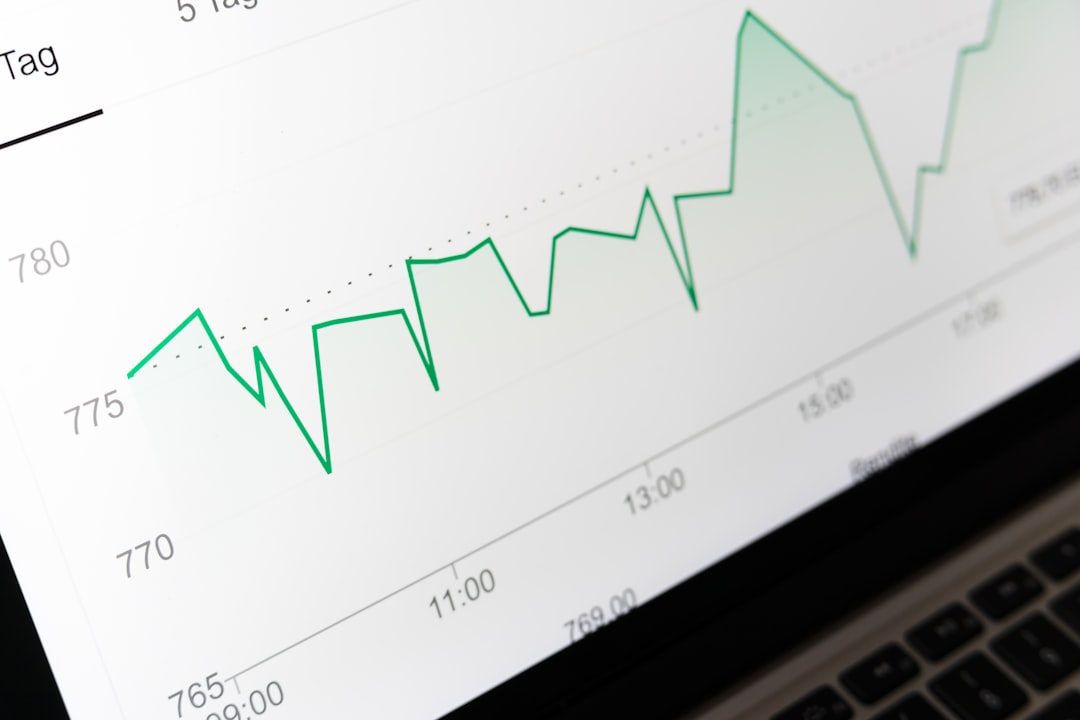
A live chart gives investors an immediate look at the index’s current value, intraday highs and lows, percentage change, and momentum. Instead of waiting for end-of-day summaries, traders can observe price behavior as it happens. This is especially important during major announcements, including Bank of England rate decisions, UK inflation data, employment reports, budget statements, and international market shocks.
What Makes fintechzoom.com FTSE 100 Coverage Useful?
Financial information websites are valuable when they present market data in a clear and accessible way. A fintechzoom.com FTSE 100 live chart can serve as a practical starting point for readers who want to understand both the price and the broader story behind the movement. The best chart pages typically help users identify whether the index is rising, falling, consolidating, or breaking through an important level.
Useful FTSE 100 chart coverage often includes:
- Live index price: The current value of the FTSE 100 during trading hours.
- Daily percentage movement: A quick measure of whether the market is gaining or losing ground.
- Intraday chart patterns: Short-term trends that reveal momentum and trader sentiment.
- Historical price data: Longer-term context for comparing current levels against past performance.
- Market commentary: Explanations of why the index may be moving.
For casual investors, this information can help clarify whether a market move is minor noise or part of a larger trend. For active traders, it may support timing decisions, especially when combined with technical indicators.
Understanding FTSE 100 Price Movement
The FTSE 100 does not move randomly, although short-term price swings can sometimes feel unpredictable. Its movement is usually shaped by a mix of corporate earnings, investor sentiment, global markets, and macroeconomic data. Because the index is heavily weighted toward sectors such as energy, mining, banking, pharmaceuticals, and consumer goods, sector-specific news can have a major impact.
For example, if oil prices rise sharply, energy shares within the index may strengthen, supporting the broader FTSE 100. If banking stocks fall due to concerns over interest margins or credit risk, the index may weaken even if other sectors are stable. This is why reading the live chart alongside sector performance creates a more complete picture.
Key Signals to Watch on the Live Chart
A live chart is most valuable when investors know what to look for. While every trader has a different strategy, several signals are widely followed because they often reveal important changes in market behavior.
1. Support and Resistance Levels
Support is a price area where buyers have previously stepped in, while resistance is a level where sellers have often appeared. When the FTSE 100 approaches these zones, traders watch closely for either a bounce or a breakout.
If the index repeatedly fails to move above a resistance level, it may signal hesitation. If it breaks above that level with strong momentum, it can suggest renewed confidence. Similarly, falling below support may indicate growing risk aversion.
2. Trend Direction
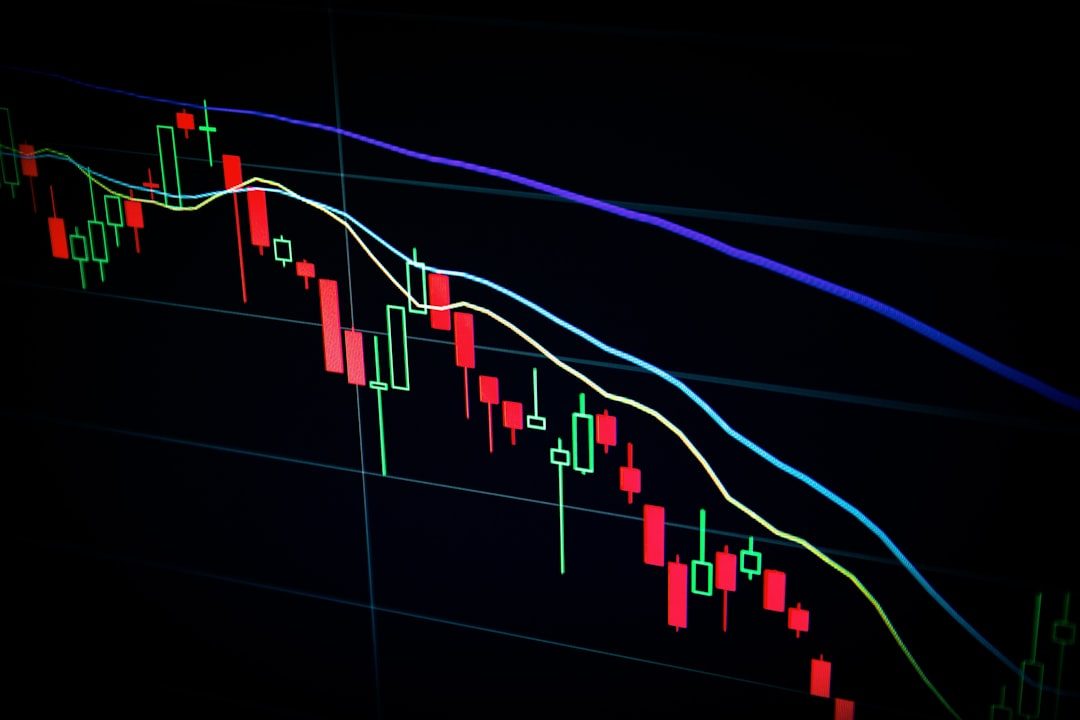
One of the simplest but most powerful observations is whether the chart is forming higher highs and higher lows or lower highs and lower lows. A sequence of higher highs and higher lows suggests an uptrend, while lower highs and lower lows indicate a downtrend.
Trend direction is important because it helps investors avoid fighting the market. Buying during a confirmed uptrend may carry a different risk profile than buying during a sharp decline.
3. Volume and Momentum
Although index charts do not always display volume in the same way individual stock charts do, related exchange-traded funds and futures activity can provide clues. Strong price movement supported by high participation tends to be more meaningful than a small move on thin trading.
Momentum indicators, such as the Relative Strength Index or moving averages, can also help identify whether the FTSE 100 is becoming overbought or oversold. These tools should not be used alone, but they can sharpen interpretation of the live chart.
Major Factors That Influence FTSE 100 Movement
Because the FTSE 100 includes multinational companies, its price movement is affected by more than UK domestic conditions. Investors should pay attention to several key drivers.
- Currency fluctuations: A weaker pound can benefit FTSE 100 companies that earn revenue overseas, because foreign earnings become more valuable when converted back into sterling.
- Commodity prices: Mining and energy giants can strongly influence the index, especially when oil, gas, copper, gold, or iron ore prices move sharply.
- Interest rates: Rate expectations affect banks, property-related stocks, consumer spending, and overall equity valuations.
- Global risk sentiment: US market performance, Asian trading sessions, and European economic data can all shape FTSE 100 direction.
- Corporate earnings: Strong or weak results from major index constituents can move the overall benchmark.
This is why a live chart becomes more insightful when paired with current news. A sudden drop may not mean much until the investor understands whether it was triggered by inflation data, currency strength, weak earnings, or broader global selling.
Intraday Trading Insights from the FTSE 100 Chart
Short-term traders often focus on intraday movements. These traders may monitor opening gaps, early session volatility, mid-session consolidation, and late-day momentum. The London market can react quickly to overnight developments in the US and Asia, so the first hour of trading is often active.
One common pattern is the opening move, where the FTSE 100 reacts to global market developments before settling into a clearer direction. Another is the breakout pattern, where the index moves beyond a key intraday range. Traders may also watch for reversals near major psychological levels, such as round-number price zones.
However, intraday trading requires caution. Fast moves can reverse quickly, especially when liquidity shifts or news headlines change sentiment. For this reason, live chart users should avoid relying on one indicator or one candle. Context matters.
Long-Term Investor Perspective
While live charts are often associated with active trading, they are also helpful for long-term investors. Watching price movement can help identify attractive entry points, periods of excessive fear, or moments when the index appears stretched after a strong rally.
Long-term investors may use a fintechzoom.com FTSE 100 live chart to compare current levels with historical ranges. If the index is trading near multi-month lows, it may prompt further research into valuation and dividend yields. If it is near record highs, investors may consider whether earnings growth supports the price or whether enthusiasm has become excessive.
The FTSE 100 is also known for its dividend-paying companies. Therefore, long-term analysis should consider not only price appreciation but also income potential. A flat index can still provide returns through dividends, especially for income-focused portfolios.
How to Read Sudden Price Swings
Sudden price swings can be exciting, but they can also be misleading. A sharp move on a live chart may reflect a genuine shift in expectations, or it may simply be a short-lived reaction to breaking news. The key is to ask better questions:
- What triggered the move? Was it economic data, company news, central bank commentary, or global market sentiment?
- Is the move broad-based? Are most sectors participating, or is one large sector driving the index?
- Is the move holding? Does the FTSE 100 maintain the gain or loss after the first reaction?
- Does volume confirm it? Strong participation may make the move more credible.
By answering these questions, investors can avoid overreacting to every tick on the screen.
Common Mistakes When Using Live Charts
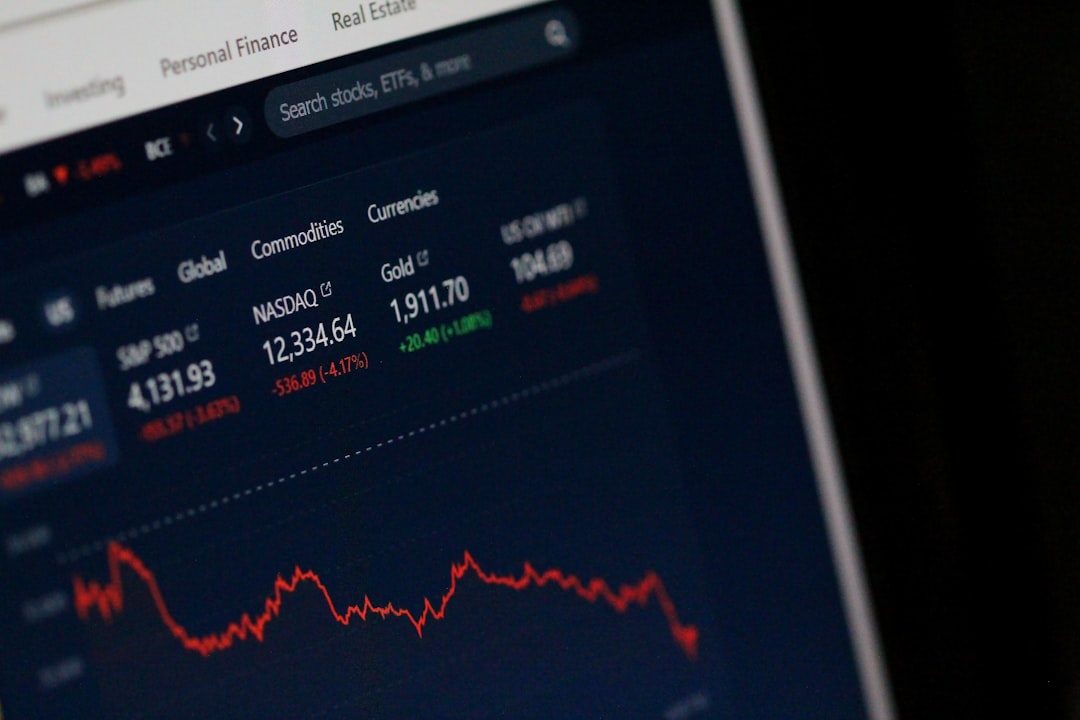
Live charts are powerful, but they can encourage emotional decision-making. One common mistake is chasing momentum after the index has already made a large move. Another is assuming that a small intraday drop signals a major downturn. Markets breathe; they rise and fall throughout the day.
Another mistake is ignoring the timeframe. A pattern that looks bearish on a five-minute chart may be insignificant on a daily chart. Likewise, a short-term breakout may fail if the longer-term trend remains weak. Investors should always match their chart timeframe to their strategy.
Finally, live chart users should avoid treating technical analysis as certainty. Charts show probability, not guarantees. Even the clearest setup can fail when unexpected news enters the market.
Practical Tips for Better FTSE 100 Chart Analysis
To get more value from a fintechzoom.com FTSE 100 live chart, investors can follow a structured process:
- Start with the daily trend: Understand the broader direction before focusing on intraday movement.
- Mark key levels: Identify recent highs, lows, support, and resistance.
- Check sector leadership: Determine which industries are driving the index.
- Watch sterling movement: The pound often has an important relationship with FTSE 100 performance.
- Compare global markets: Look at US futures, European indices, and Asian market closes.
- Use risk controls: Never base portfolio decisions on live price action alone.
Final Thoughts
The FTSE 100 live chart is a valuable window into the UK market, but its real power comes from interpretation. A rising or falling line is only the beginning. The deeper insight comes from understanding the forces behind the movement: currency changes, commodity trends, interest rate expectations, corporate earnings, and global investor sentiment.
A fintechzoom.com FTSE 100 live chart can help investors stay informed, spot developing trends, and react more thoughtfully to market changes. Whether used by day traders, long-term investors, or curious market watchers, the chart becomes most useful when combined with news awareness, technical discipline, and a clear investment plan. In a market where every point tells a story, the smartest investors learn not just to watch the chart, but to read it.