
You are on a road trip. You are tired. Your snack bag is empty. Your phone says, “There is a hotel, a motel, and an inn nearby.” Great. But what is the difference? And which one should you pick?
TLDR: A hotel is usually bigger, with more services, like restaurants, gyms, meeting rooms, and room service. A motel is usually simpler, cheaper, and made for drivers, often with parking right outside the room. An inn is usually smaller and cozier, often with a local feel, but the word can be used in many ways.
The Simple Difference
Think of it like this.
- Hotel: “I want comfort, services, and maybe a nice lobby.”
- Motel: “I need a clean bed near the road.”
- Inn: “I want something cozy, small, and friendly.”
Of course, travel loves to confuse us. Some hotels are tiny. Some motels are very nice. Some inns are part of huge chains. Names do not always follow the rules.
Still, the basic ideas are easy once you see them in real life.

What Is a Hotel?
A hotel is a place where guests rent rooms for the night. Hotels are usually built for many types of travelers. Business people. Families. Couples. Tour groups. People who forgot their cousin’s wedding was this weekend.
Hotels often have more features than motels and inns. You may find:
- A front desk open all day and night
- Elevators
- A restaurant or bar
- A gym or pool
- Room service
- Conference rooms
- Concierge help
- Valet parking
A hotel can be simple. Or it can be fancy enough to make your wallet sweat.
Real examples of hotels:
- The Plaza Hotel in New York City: A famous luxury hotel. It has grand rooms, elegant service, and a very “movie scene” feeling.
- Marriott Marquis in Times Square: A large city hotel with many rooms, restaurants, meeting spaces, and busy elevators.
- Hilton London Metropole: A big hotel used by tourists and business travelers. It has lots of rooms and event spaces.
Hotels are great when you want more than just a bed. Maybe you want breakfast downstairs. Maybe you want a gym. Maybe you want someone to call you a taxi while you pretend to know where you are going.
What Is a Motel?
The word motel comes from “motor hotel.” It was made for people traveling by car. That is the big clue.
Motels are usually built near highways, main roads, or town edges. They are made for quick stops. You arrive. You park. You sleep. You leave. Very simple.
Many motels have rooms that open directly to the parking lot. This is useful if you have a car full of bags, snacks, kids, sports gear, or mysterious road trip items you bought at a gas station.
Motels often have:
- Free parking
- Lower prices
- Simple rooms
- Easy road access
- Outdoor room entrances
- Basic breakfast, sometimes
Real examples of motels:
- Motel 6: A classic budget motel chain in the United States and Canada. It is known for simple rooms and affordable prices.
- Super 8: Often found near highways. It is popular with road trippers who need an easy overnight stay.
- Travelodge roadside locations: Some Travelodge properties work like motels, especially in areas built for drivers.
A motel is not always “bad” or “cheap” in a scary way. Many are clean and comfortable. Some are even stylish. In places like California, old motels have been redesigned into cool boutique stays. They may have neon signs, cute pools, and rooms that look great on Instagram.
What Is an Inn?
An inn is the trickiest one. Historically, inns were places where travelers could eat, drink, and sleep. Think horses, wooden signs, warm fires, and someone named Martha serving stew.
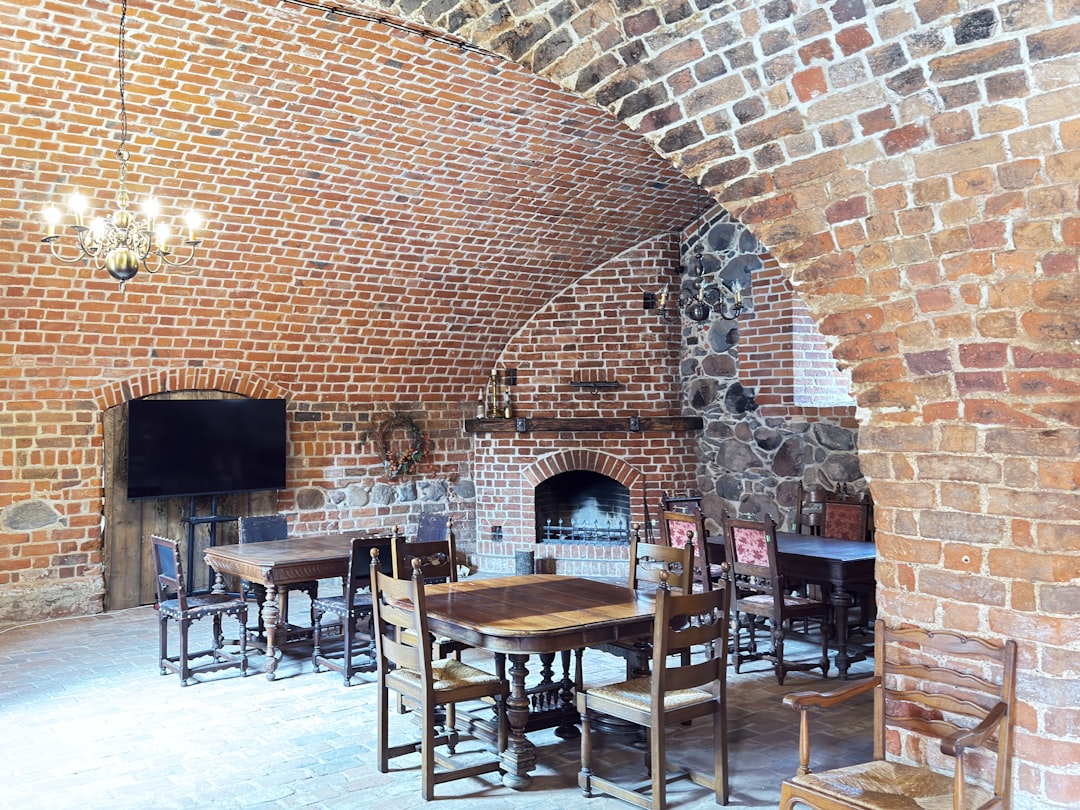
Today, an inn is usually smaller than a hotel. It may feel more personal. It may be family-run. It may be in an old building. It may have a cozy dining room, homemade breakfast, or a host who knows every good hiking trail nearby.
Inns often have:
- Fewer rooms
- A warm, local style
- Personal service
- Breakfast included
- Historic or charming buildings
- A quieter atmosphere
Real examples of inns:
- The Red Lion Inn in Stockbridge, Massachusetts: A historic inn with classic New England charm. It has been welcoming travelers for a very long time.
- The Mermaid Inn in Rye, England: A famous old inn with history, character, and plenty of atmosphere.
- Local countryside inns: In many small towns, inns are small stays with a restaurant or pub attached.
But here comes the funny part. Some big hotel chains use the word “inn.” For example, Holiday Inn sounds like an inn, but many Holiday Inn locations are really hotels. They can be large, modern, and full of hotel-style services.
So, do not trust the name alone. Look at the photos, room count, services, parking, and reviews.
Hotel vs Motel vs Inn: The Quick Comparison
- Size: Hotels are often the biggest. Motels are usually medium or small. Inns are often small.
- Location: Hotels are common in cities, airports, resorts, and business areas. Motels are common near highways. Inns are common in small towns, countryside areas, and historic places.
- Parking: Hotels may have garages or valet. Motels usually have easy parking near the room. Inns may have a small lot or street parking.
- Services: Hotels usually offer the most. Motels offer the basics. Inns offer personal touches.
- Price: Motels are often cheapest. Inns can be budget or expensive. Hotels range from cheap to luxury.
- Vibe: Hotels feel professional. Motels feel practical. Inns feel cozy.
Which One Should You Choose?
Pick a hotel if you want comfort and services. It is a good choice for city breaks, work trips, weddings, and longer stays. If you want a pool, restaurant, gym, and someone at the desk at 2 a.m., a hotel is your friend.
Pick a motel if you are driving and need something simple. It is perfect for road trips, one-night stops, and budget travel. If your main goal is “sleep now, drive tomorrow,” choose a motel.
Pick an inn if you want charm. Inns are great for romantic weekends, small-town visits, countryside trips, and slower travel. If you like creaky floors, friendly hosts, and breakfast that feels homemade, an inn may be perfect.
Watch Out for Name Tricks
Travel names can be sneaky. A place called “Grand Hotel” might be simple. A place called “Budget Inn” might feel like a motel. A place called “Ocean View Motel” might be a trendy boutique property with fancy soap and a heated pool.
So before booking, check these things:
- Photos: Do the rooms look clean and updated?
- Reviews: Do guests mention noise, parking, service, or breakfast?
- Location: Is it near what you need?
- Amenities: Does it have parking, Wi-Fi, breakfast, or a front desk?
- Room entrance: Does it open to a hallway or outside?
Final Simple Answer
A hotel is usually the full-service option. A motel is usually the road trip option. An inn is usually the cozy option.
But the best choice depends on your trip. If you are attending a business meeting, book a hotel. If you are crossing the country by car, a motel may save money and time. If you are exploring a cute old town, an inn may give you the best memories.
In the end, all three do the same basic job. They give you a place to sleep. The difference is the style, service, location, and feeling. Choose the one that matches your adventure. And always check the reviews, because even the fanciest name cannot fix a lumpy pillow.