Every company has a secret treasure room. It is not full of gold coins. It is full of data. Customer clicks. Delivery times. Product returns. Sensor readings. Support tickets. Sales trends. Most of it sits in systems, quietly collecting dust. A data monetization consultant helps turn that quiet data into loud, happy revenue.
TLDR: A data monetization consultant helps a company find useful data, package it, protect it, and sell it or use it to create new income. For example, a logistics company may analyze delivery delay data and sell route performance insights to retailers. If that company has 500 retail clients and 10% buy a $2,000 monthly insights add-on, that is $100,000 in new monthly revenue. The goal is simple: turn data into products, savings, partnerships, and smarter decisions.
What Is Data Monetization?
Data monetization means using data to create money. Simple enough.
But there are two main ways to do it.
- Direct monetization: Sell data, reports, dashboards, benchmarks, or APIs to customers or partners.
- Indirect monetization: Use data to improve products, reduce costs, improve pricing, or keep customers longer.
Think of it like a bakery. Direct monetization is selling cupcakes. Indirect monetization is using your sales data to know that chocolate cupcakes sell best on Fridays. So you bake more of them. You waste less. You earn more.
Enterprise data works the same way. It just wears a suit and lives in databases.
What Does a Data Monetization Consultant Do?
A data monetization consultant is part detective, part strategist, and part product builder.
They look inside the company and ask:
- What data do we have?
- Who needs it?
- Is it unique?
- Can it solve a real problem?
- Can we legally and safely use it?
- How can we package it?
- How much should we charge?
They do not just say, “Let’s sell data.” That is too risky and too vague.
Instead, they build a plan. They find valuable use cases. They test demand. They check privacy rules. They help teams create products that people will actually pay for.
Why Enterprise Data Is So Valuable
Enterprise data is powerful because it comes from real activity. Not guesses. Not surveys from seven people and a tired intern.
It may include:
- Customer buying behavior
- Market demand patterns
- Supply chain performance
- Equipment sensor data
- Industry benchmarks
- Risk indicators
- Location trends
- Usage data from software platforms
This data can help others make better choices. A retailer wants to know which products are trending. A bank wants better fraud signals. A hospital network wants operational benchmarks. A manufacturer wants predictive maintenance insights.
If your company sees something others cannot see, that may be a business opportunity.
Step 1: Find the Data Gold
The first job is discovery. A consultant maps the company’s data assets.
This is called a data inventory. It sounds boring. It is not. It is like opening boxes in an attic and finding a rare comic book.
The consultant checks:
- Where the data lives
- Who owns it
- How clean it is
- How often it updates
- How sensitive it is
- What business problems it can solve
Not all data is valuable. Some data is messy. Some is duplicated. Some is old. Some is basically a digital junk drawer.
The trick is to find data that is unique, accurate, useful, and safe to use.
Step 2: Choose the Right Monetization Model
Once the data is understood, the consultant helps choose a business model.
Common models include:
- Data products: Packaged datasets sold to businesses.
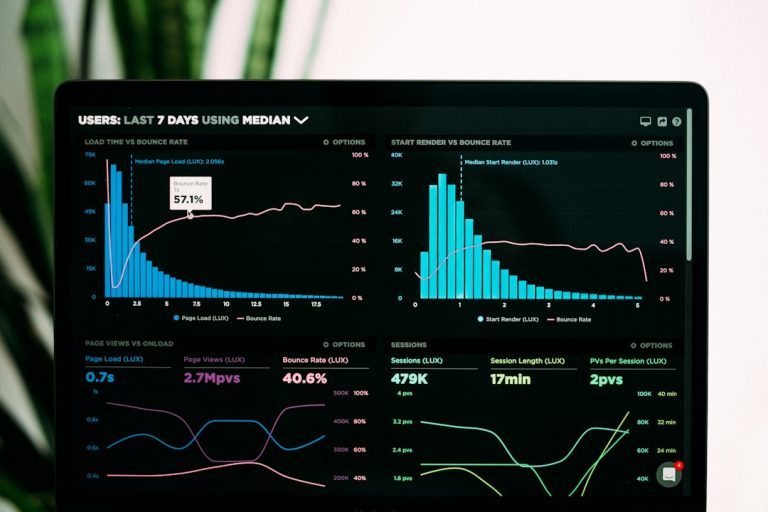
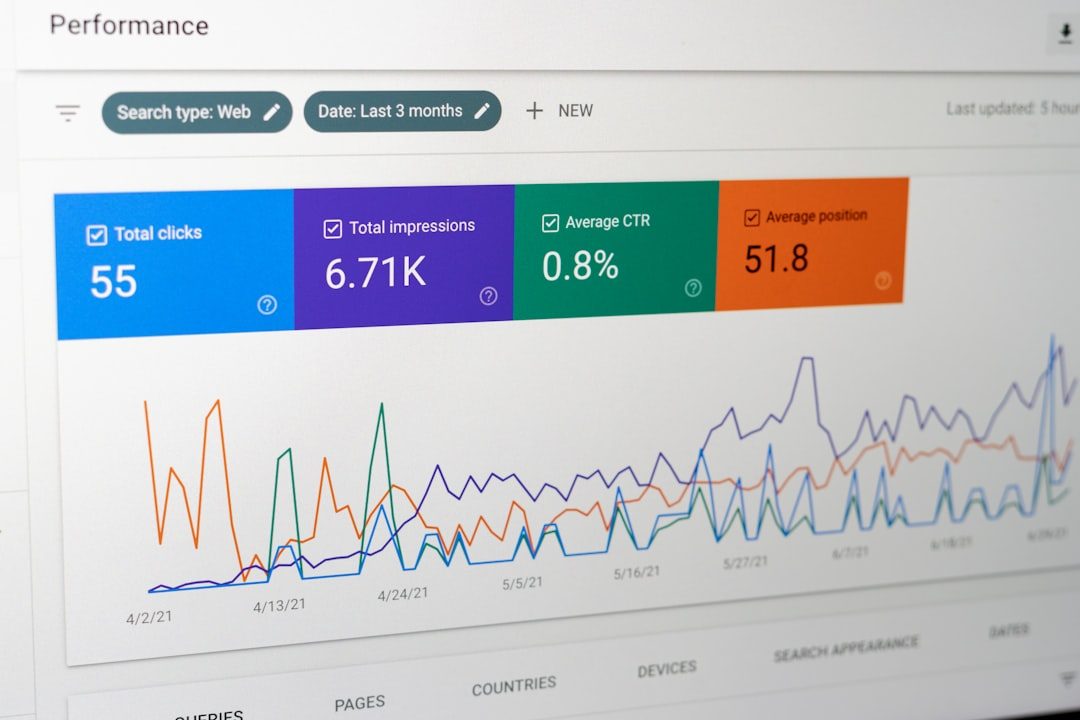
- Analytics dashboards: Visual tools customers pay to access.
- Benchmark reports: Industry comparisons and trend reports.
- APIs: Paid access to real-time data feeds.
- Premium features: Data-powered upgrades inside existing software.
- Partner insights: Shared intelligence with suppliers, vendors, or clients.
Here is a simple example.
A payment processing company sees millions of transactions each month. It cannot reveal private customer details. That would be bad. Very bad. But it can create anonymized market trends. For example, “restaurant spending rose 14% in downtown areas this quarter.” Retailers, investors, and city planners may pay for that insight.
That is data monetization done right.

Step 3: Keep It Safe and Legal
This part matters a lot.
Data monetization is not a wild west rodeo. You cannot just throw customer data into a spreadsheet and sell it to the highest bidder.
A good consultant works with legal, compliance, security, and privacy teams.
They focus on:
- Consent: Are customers aware of how data may be used?
- Anonymization: Can personal details be removed?
- Aggregation: Can data be grouped so individuals cannot be identified?
- Security: Is access controlled and monitored?
- Regulation: Does it follow laws like GDPR, CCPA, HIPAA, or industry rules?
Trust is the foundation. If customers feel tricked, the money will not matter. The brand damage can be huge.
Good data monetization is not sneaky. It is transparent, secure, and respectful.
Step 4: Build a Data Product People Want
Data alone is not always exciting. Most people do not wake up and say, “I hope someone sells me a giant CSV file today.”
People want answers.
So the consultant helps turn raw data into something useful. That may be a dashboard, alert system, ranking tool, API, or report.
The product should answer clear questions, such as:
- Where is demand rising?
- Which customers may churn?
- Which locations perform best?
- What risks are growing?
- Where can costs be reduced?
A strong data product is easy to use. It has clean visuals. It explains trends. It helps someone make a decision faster.
If the buyer needs a data science degree and three espressos to understand it, the product needs work.
Step 5: Price It Like a Product
Pricing data can feel strange. There is no shelf. No box. No shipping label.
But pricing still follows simple rules.
A consultant may use:
- Subscription pricing: Monthly or yearly access.
- Usage pricing: Pay per API call, report, or data volume.
- Tiered pricing: Basic, professional, and enterprise plans.
- Outcome pricing: Price based on value created.
The key question is not, “How much did the data cost to store?”
The better question is, “How much value does this insight create for the customer?”
If a dashboard helps a retailer reduce stockouts by 8%, that could be worth millions. The price should reflect the value.
A Quick User Case Scenario
Imagine a fleet management company called RoadBee. It tracks 80,000 vehicles across cities. It has data on traffic delays, fuel use, route efficiency, and vehicle downtime.
A data monetization consultant reviews the data. They spot a new product idea: a city delivery intelligence dashboard.
The dashboard helps retailers see:
- Best delivery windows by neighborhood
- Average delay risk by hour
- Fuel cost trends
- High-risk traffic zones
RoadBee tests it with 20 customers. Fifteen say they would pay for it. Ten join a pilot at $1,500 per month.
That is $15,000 per month at pilot stage. If RoadBee sells it to 200 customers, it becomes $300,000 per month. Same data. New revenue stream.

Common Mistakes to Avoid
Data monetization can fail. Usually for simple reasons.
- Selling raw data too early: Buyers want solutions, not homework.
- Ignoring privacy: This can destroy trust fast.
- No clear buyer: “Everyone needs this” usually means no one does.
- Poor data quality: Bad data creates bad decisions.
- No sales plan: Even great insights need marketing and sales support.
A consultant helps avoid these traps. They bring structure. They ask annoying but useful questions. They keep the project focused on revenue, risk, and customer value.
Who Needs a Data Monetization Consultant?
Many companies can benefit, especially if they already collect large amounts of data.
This includes:
- Software companies
- Telecom providers
- Banks and fintech firms
- Retail chains
- Healthcare networks
- Logistics companies
- Manufacturers
- Insurance companies
If your company has data that shows patterns, risk, demand, behavior, or performance, you may have a monetization opportunity.
Final Thoughts
Enterprise data is more than a record of what happened. It can become a product. It can become a service. It can become a smarter way to run the business.
A data monetization consultant helps companies find that value and turn it into action. They connect data, strategy, technology, privacy, and customers. That mix is where new revenue streams are born.
The best part? Your company may already own the raw material. It is sitting in your systems right now. Waiting.
So open the treasure room. Bring a map. And maybe invite a data monetization consultant to help carry the gold.