
Referral programs are no longer a lightweight marketing add-on. For many ecommerce, subscription, and direct-to-consumer brands, referrals are a measurable acquisition channel that must integrate cleanly with customer data, order events, fraud controls, and reward operations. The Friendbuy Referral API is commonly used to connect referral experiences with internal systems such as storefronts, CRMs, data warehouses, loyalty platforms, and marketing automation tools.
What the Friendbuy Referral API Does
The Friendbuy Referral API is designed to support the core mechanics of a referral program: identifying participants, generating or managing referral links, tracking referral activity, and triggering rewards when specific conditions are met. Instead of treating referrals as a separate marketing widget, the API allows businesses to connect referral actions with their broader commerce and customer infrastructure.
At a practical level, the API usually sits between three areas: the customer experience, the transaction system, and the reward engine. A shopper might share a referral link after purchase, a referred friend may later place an order, and the system must determine whether that event qualifies for a reward. The API is what helps make those steps traceable and auditable.

Core Data Model
A reliable referral program depends on a clear data model. While exact field names and implementation details should always be verified against Friendbuy’s current documentation, most referral API integrations revolve around several important entities.
- Advocate: The existing customer or user who shares the referral offer. This record typically includes identifiers such as customer ID, email address, name, and campaign association.
- Friend or referred customer: The new user who arrives through a referral link or code. Their identity may be captured at signup, checkout, or lead submission.
- Referral link or code: The unique mechanism used to attribute the referred user back to the advocate. This may be a URL, coupon code, invite token, or campaign-specific identifier.
- Campaign: The configuration that defines the referral offer, such as “Give 15%, Get $20” or “Refer a friend and earn store credit.”
- Conversion event: The qualifying action, such as a completed purchase, subscription activation, booked demo, or approved account creation.
- Reward: The benefit issued to the advocate, the friend, or both. Rewards can include discounts, gift cards, cash equivalents, loyalty points, or store credits.
The most important principle is consistency. If your ecommerce platform uses one customer ID, your CRM uses another, and your data warehouse uses a third, you should define a mapping strategy before implementation. Referral attribution is only as strong as the identifiers used to connect the events.
How the Reward Flow Works
The reward flow is the operational heart of a referral program. A common structure begins when an advocate receives a referral link and shares it with a friend. The friend clicks the link, visits the site, and either signs up or makes a purchase. Once the conversion event is confirmed, Friendbuy can evaluate whether the event meets the configured reward criteria.
A typical reward flow may look like this:
- Advocate identification: The customer is recognized after login, purchase, account creation, or through a referral widget.
- Referral link generation: The system creates or retrieves a unique link tied to that advocate and campaign.
- Friend visit tracking: A referred visitor arrives through the link, and attribution data is stored.
- Conversion submission: Your backend sends an order, signup, or subscription event to Friendbuy.
- Eligibility check: The system determines whether the event meets program rules, such as minimum order value, new customer status, or return window requirements.
- Reward issuance: The Advocate, friend, or both receive the approved incentive.
- Analytics sync: Referral and reward data are sent to reporting tools, BI systems, or customer profiles.
Businesses should be deliberate about when a reward is considered final. For ecommerce, it is often safer to delay advocate rewards until after cancellation, refund, or fraud review windows have passed. For subscription businesses, a reward might be triggered only after the referred customer completes the first paid billing cycle.

Integration Architecture
A serious API integration should be planned as a backend-first implementation, even if parts of the referral experience appear in the browser. Frontend components are useful for displaying referral widgets, links, and share buttons, but sensitive events such as purchases and reward eligibility should be validated server-side.
In a typical architecture, the storefront or app captures the user interaction, while the backend sends trusted events to Friendbuy. The order management system provides purchase details, the CRM supplies customer attributes, and the data warehouse stores final attribution and performance metrics. Webhooks, where available, can help notify your systems when rewards are created, approved, or fulfilled.
Teams should define which system owns each piece of data. For example, your commerce platform may be the source of truth for orders, while Friendbuy may be the source of truth for referral attribution and reward status. Clear ownership reduces duplicate records and prevents disputes when a customer contacts support about a missing reward.
Key Implementation Steps
Before writing code, document your referral rules in plain language. Technical ambiguity often comes from business ambiguity. If the offer is “Give $10, Get $10,” specify whether it applies to all products, only first purchases, only domestic customers, or only orders above a certain threshold.
- 1. Define program rules: Clarify incentive values, eligibility conditions, exclusions, fraud rules, and timing.
- 2. Map identifiers: Decide how customer IDs, emails, order IDs, campaign IDs, and referral codes will be stored and reconciled.
- 3. Implement referral capture: Ensure referral parameters are preserved through landing pages, account creation, and checkout.
- 4. Send conversion events: Submit trusted purchase or signup events from your backend rather than relying only on client-side tracking.
- 5. Handle webhooks or status updates: Sync reward status into support tools, dashboards, and customer profiles.
- 6. Test edge cases: Validate refunds, duplicate accounts, self-referrals, expired links, and partially paid orders.
Data Quality and Fraud Controls
Referral programs are especially sensitive to data quality because incentives can create abuse. Common risks include self-referrals, duplicate accounts, disposable emails, repeated payment methods, and friends using the same household or device as the advocate. The API integration should support enough data collection to evaluate suspicious patterns without violating privacy obligations.
Useful controls may include email normalization, order deduplication, minimum purchase thresholds, delayed approval periods, and internal review queues for high-value rewards. For example, a business might automatically approve rewards below $25 but manually review any advocate earning more than $500 in a 30-day period. This kind of tiered approach protects margin while keeping the experience smooth for ordinary customers.
Analytics and Measurement
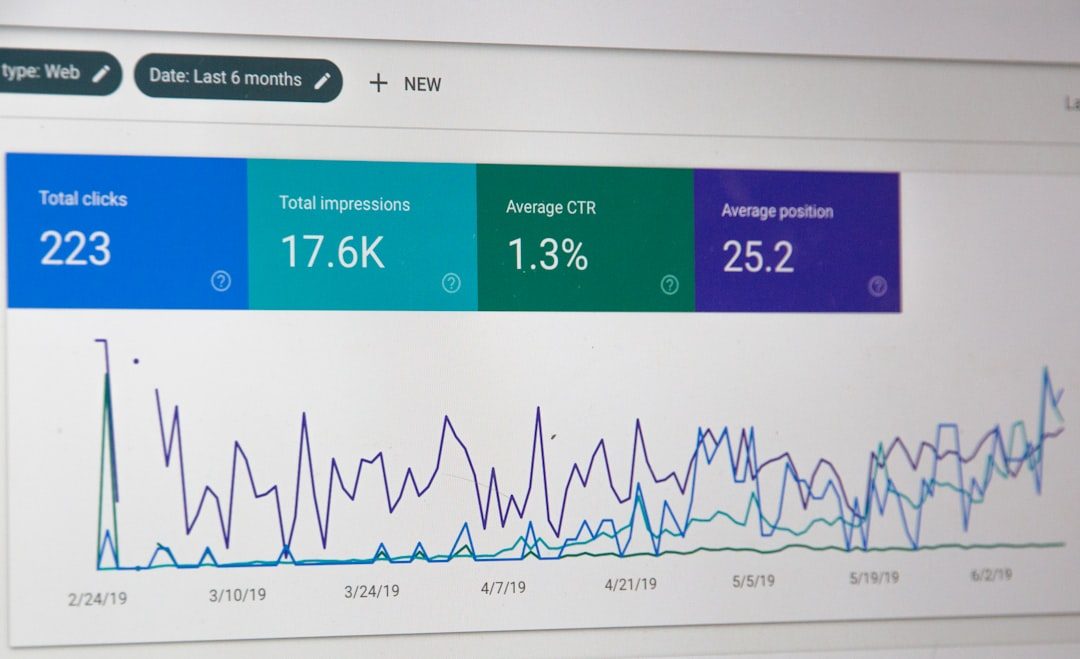
Integration is incomplete unless performance can be measured. At minimum, teams should track referral link shares, clicks, friend signups, referral orders, approved rewards, rejected rewards, revenue, cost per acquisition, and repeat purchase behavior. The most useful reporting connects referral performance to customer lifetime value, not only first-order revenue.
For example, if referred customers have a 12% higher second-purchase rate than paid social customers, the program may justify more generous incentives. Conversely, if reward costs rise faster than net revenue, teams should adjust thresholds, reward timing, or campaign segmentation.
Best Practices for a Stable Integration
Use idempotency where possible so repeated event submissions do not create duplicate conversions or rewards. Log API requests and responses in a secure way, excluding sensitive personal data where unnecessary. Monitor failures and retry events intelligently, especially for order submissions and webhook processing.
It is also important to involve support and finance teams. Support needs visibility into referral status so agents can answer customer questions accurately. Finance needs reliable reward liability reporting, especially when incentives resemble cash, gift cards, or store credit.
Final Thoughts
The Friendbuy Referral API can provide a strong foundation for a scalable referral program, but its value depends on disciplined implementation. A trustworthy integration requires clean identifiers, server-side conversion tracking, clear reward rules, fraud prevention, and reliable analytics. When these pieces are in place, referrals become more than a promotional tactic; they become a controlled, measurable acquisition channel with transparent economics.