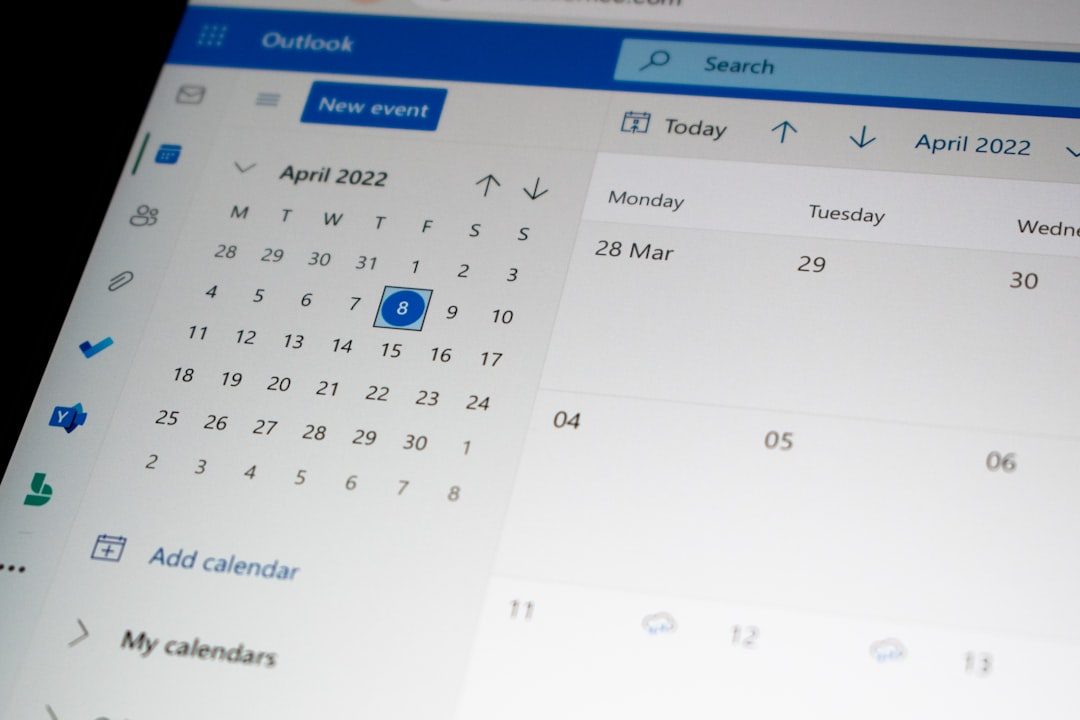
Email campaigns perform best when they are planned with discipline, not assembled at the last minute. A marketing calendar template for email campaigns gives teams a structured way to schedule messages, coordinate promotions, manage approvals, and measure results. It turns email marketing from a reactive task into a repeatable business process.
TLDR: A marketing calendar template helps you organize email campaigns by date, audience, objective, content, owner, and performance metrics. For example, a retail team sending eight campaigns per month can use the calendar to avoid overlapping promotions and improve segmentation. In a practical scenario, a company that planned emails four weeks ahead increased its average open rate from 24% to 31% and reduced last-minute revisions by 40%. The template is most valuable when it connects planning, execution, and reporting in one place.
Why Email Campaigns Need a Marketing Calendar
Email remains one of the most measurable and cost-effective marketing channels, but it is also easy to overuse or mismanage. Without a calendar, teams may send too many emails to the same audience, forget important seasonal opportunities, or rush creative assets through approval. A marketing calendar provides visibility across all planned messages so that strategy, timing, and execution remain aligned.
A serious email calendar does more than list send dates. It documents campaign purpose, target segments, content requirements, responsible owners, and performance expectations. This makes it useful for marketers, designers, sales teams, product managers, and executives who need to understand what is being communicated to customers.
Core Elements of an Email Marketing Calendar Template
A reliable template should be simple enough to use every week but detailed enough to prevent confusion. The following fields are typically essential:
- Campaign name: A clear title that identifies the purpose of the email, such as “Spring Renewal Offer” or “Product Update Announcement.”
- Send date and time: The planned delivery schedule, including time zone if the audience is international.
- Audience segment: The group receiving the email, such as new subscribers, inactive customers, enterprise leads, or loyalty members.
- Campaign objective: The business goal, such as generating sales, increasing registrations, driving content downloads, or improving retention.
- Email type: Newsletter, promotional email, onboarding message, reactivation campaign, product launch, or transactional follow-up.
- Subject line and preview text: Draft messaging that can be reviewed and tested before deployment.
- Content owner: The person responsible for copy, design, data setup, or final approval.
- Status: Planning, drafting, design, review, scheduled, sent, or completed.
- Key metrics: Open rate, click-through rate, conversion rate, unsubscribe rate, revenue, or lead volume.
A Practical Template Structure
The calendar may be built in a spreadsheet, project management platform, or marketing automation system. What matters most is consistency. A practical structure might include the following columns:
| Field | Purpose |
|---|---|
| Date | Shows when the email is scheduled to be sent. |
| Campaign | Identifies the specific email initiative. |
| Audience | Defines who will receive the message. |
| Message angle | Summarizes the main value proposition. |
| Owner | Clarifies accountability for execution. |
| Status | Tracks progress from concept to completion. |
| Results | Captures performance after the campaign is sent. |
This structure works because it combines planning and reporting. Over time, the calendar becomes a historical record of what was sent, when it was sent, and how it performed.
How to Plan Campaigns by Month
A monthly view helps teams balance promotional activity with educational, retention, and relationship-building content. Not every email should ask the reader to buy. A healthy schedule usually includes a mix of content types.
- Week 1: Educational newsletter or thought leadership content.
- Week 2: Product-focused email, feature update, or service explanation.
- Week 3: Promotional offer, event invitation, or lead-generation campaign.
- Week 4: Customer story, retention email, survey, or reactivation message.
This approach reduces fatigue and supports a more balanced customer relationship. It also gives copywriters and designers predictable deadlines, which improves quality and reduces operational stress.

Using Segmentation in the Calendar
Segmentation should be visible directly in the calendar. Sending every campaign to the entire database may appear efficient, but it often leads to weaker engagement and higher unsubscribe rates. A calendar should show exactly which audience receives each message and why.
For example, a software company might separate its email list into trial users, active customers, inactive accounts, and enterprise prospects. Each group requires different messaging. Trial users may need onboarding tips, while inactive accounts may respond better to a reactivation offer or feature reminder.
When segmentation is documented in the calendar, teams can identify over-contacted groups and underserved audiences. This is especially important for organizations with multiple departments sending emails to the same database.
Approval and Quality Control
A professional email calendar should include review stages. Email mistakes can damage trust, especially when they involve incorrect pricing, broken links, personalization errors, or misleading subject lines. Adding approval checkpoints reduces these risks.
Typical approval steps include:
- Campaign brief approved: The objective, audience, and offer are confirmed.
- Copy reviewed: Messaging is checked for accuracy, tone, and compliance.
- Design reviewed: Layout, branding, and mobile display are approved.
- Links tested: All calls to action, landing pages, and tracking parameters are verified.
- Final send approval: A responsible person confirms the email is ready to schedule.
These steps may seem basic, but they are often the difference between a reliable campaign and a costly correction email.
Tracking Performance After Each Send
The calendar should not be abandoned once an email is sent. Results should be added after each campaign so the team can compare performance over time. The most useful metrics depend on the campaign objective.
- Open rate: Useful for evaluating subject lines and sender reputation.
- Click-through rate: Indicates whether the content and call to action were compelling.
- Conversion rate: Measures whether recipients completed the intended action.
- Unsubscribe rate: Helps identify audience fatigue or poor targeting.
- Revenue or pipeline generated: Connects email activity to commercial results.
For instance, if newsletters average a 28% open rate but promotional emails average only 17%, the team can review whether the offers are relevant, whether the segments are too broad, or whether the sending frequency is too aggressive.

Best Practices for Maintaining the Calendar
A calendar is only valuable if it is kept current. Assign one primary owner to maintain the master version and define how often it will be reviewed. For most teams, a weekly review meeting is sufficient, supported by a more strategic monthly planning session.
Follow these best practices:
- Plan at least four weeks ahead to allow time for strategy, creative development, and testing.
- Limit competing messages so customers do not receive multiple unrelated campaigns in a short period.
- Use color coding for campaign types, such as promotional, newsletter, transactional, or retention.
- Document dependencies including landing pages, product updates, discount codes, and sales enablement materials.
- Review past performance before scheduling similar campaigns.
Conclusion
A marketing calendar template for email campaigns is not just an administrative document. It is a planning system that improves timing, coordination, accountability, and measurable performance. By including campaign details, audience segments, approval stages, and results, the calendar helps teams make better decisions and avoid unnecessary mistakes.
Organizations that treat the calendar as a living strategic tool are better positioned to send relevant messages at the right time. In a channel where customer attention is limited, disciplined planning is a significant competitive advantage.