The best white label web design partner for most small agencies is the one that can ship clean sites, stay invisible to clients, and avoid turning every revision into a week long email chain. For startup-focused agencies, the sweet spot is usually a partner with predictable pricing, WordPress or Webflow depth, fast turnaround, and enough process discipline to protect your client relationship.
TLDR: If you sell websites to startups or small businesses, start by comparing The White Label Agency, Seahawk Media, UnlimitedWP, WPWeb Infotech, and Uplers. A two-person agency selling three $4,000 websites per month could outsource production at roughly 40% to 60% of project value and keep strategy, sales, and client care in-house. For example, if a café rebrand needs a five-page WordPress site in 14 days, a good white label team can handle build and QA while you manage copy, approvals, and launch. The key is to test one small project before handing over your best account.
1. The White Label Agency
Best for: agencies that want a dedicated WordPress production team.
The White Label Agency is one of the better-known names in outsourced WordPress design and development. It works only through agencies, which matters. Some vendors say they offer white label work, then casually mention their own brand in a support thread. That can get awkward fast.
This partner is a strong fit if you sell custom WordPress builds, redesigns, landing pages, and ongoing production support. The company can plug into agency workflows and handle design-to-development tasks, including builds from Figma, Adobe XD, or similar design files.
Why small agencies like it:
- Clear focus on agency-only service.
- Strong WordPress specialization.
- Useful for repeat production, not just one-off builds.
- Can support growing agencies that need more hands without hiring full-time staff.
Possible drawback: It may feel too WordPress-specific if your agency sells a mix of Shopify, Webflow, and custom app projects. If your tech stack changes every week, you may need a broader partner.
2. Seahawk Media
Best for: agencies that need WordPress design, development, care plans, and site maintenance.
Seahawk Media offers white label WordPress services for agencies, hosting companies, and service providers. It is a good option for smaller teams that want more than design production. You can use them for website builds, hacked site repair, SEO support, migration, speed work, and ongoing care.
This is helpful for startup-focused agencies because early-stage clients often come with messy needs. One week they need a landing page. The next week they need speed fixes, conversion edits, and a pricing page before a product launch. A partner with wider WordPress support can save you from scrambling.
Where it stands out:
- Broad WordPress service menu.
- Good fit for recurring maintenance revenue.
- Useful for agencies serving clients with existing websites.
- Can support urgent fixes and technical cleanup.
Watch for: Scope control. Broad service menus are helpful, but they can also create fuzzy project boundaries. Honestly, it feels like some web projects expand the moment a client learns the phrase “quick change.” Write your internal scope before sending the work out.
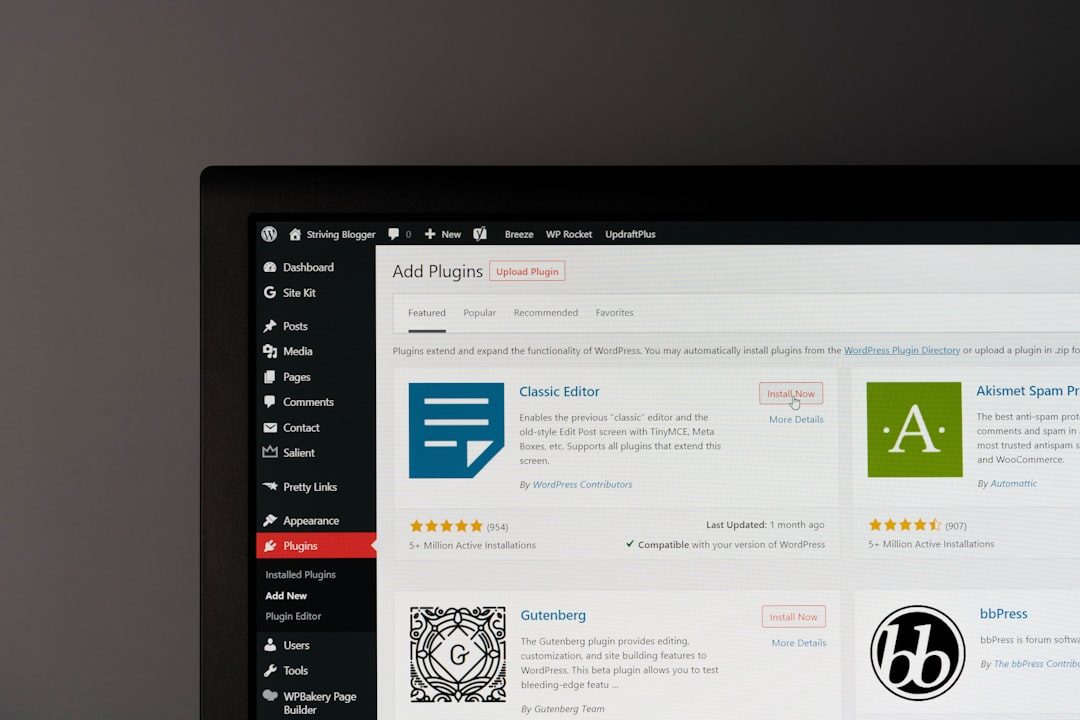
3. UnlimitedWP
Best for: agencies that want a subscription-style WordPress design and development team.
UnlimitedWP is built around white label WordPress development for agencies. Its model is appealing if you need regular support and want to avoid quoting every tiny task. For small agencies, this can make capacity planning easier. You know what help is available, and you can route work without rebuilding the vendor relationship every month.
The service can cover custom development, page builds, plugin work, WooCommerce tasks, and maintenance. It suits agencies with steady website volume or care plan clients who need frequent updates.
Why it may work for startup agencies:
- Subscription options can help smooth monthly costs.
- Good for ongoing WordPress tasks and fixes.
- Supports WooCommerce, which is useful for small online stores.
- Can reduce the need for multiple freelancers.
The annoying bit: subscription models can tempt agencies to treat every request as “covered.” Expect to waste time if you do not set ticket rules, priority levels, and turnaround expectations from day one.
4. WPWeb Infotech
Best for: agencies that need web design plus deeper technical development.
WPWeb Infotech offers white label web development across WordPress, WooCommerce, Shopify, Laravel, React, and other platforms. That broader skill set helps if your agency sells to startups with product ideas, integrations, or custom features beyond a basic brochure site.
For example, a SaaS startup may need a marketing site today and a customer portal later. A restaurant group may need WordPress pages, online ordering features, and third-party integrations. A broader development partner can keep those projects under one roof.
Good fit if you need:
- WordPress and WooCommerce work.
- Shopify development for ecommerce clients.
- Custom PHP or JavaScript development.
- Support for more technical client requests.
Possible drawback: Larger service range can mean more upfront planning. You will need tighter briefs, clearer acceptance criteria, and better QA checklists. That is not a bad thing. It just means your agency cannot send a vague Slack message and hope for magic.
5. Uplers
Best for: agencies that want access to vetted remote talent and scalable production support.
Uplers is not only a white label web design provider. It also connects companies and agencies with remote talent across design, development, marketing, and tech roles. For agencies that are growing quickly, this model can be useful. You may need a designer for three months, a front-end developer for a product sprint, or a full team for recurring client delivery.
Uplers can help when project volume is uneven. That is common for startup-focused agencies. You might have no builds in January, then four funded startup launches in March. Hiring full-time for that pattern is risky. Using outside production support can protect cash flow.
Why consider it:
- Access to a wide talent pool.
- Useful for design, development, and marketing roles.
- Can support bigger campaigns, not only websites.
- Good option when you need flexible capacity.
Watch for: You may need more management time than with a packaged white label web design service. If you want a fully managed build, ask direct questions about project management, QA, reporting, and client confidentiality.
How to Choose the Right Partner
The right choice depends on what you sell most often. If 80% of your projects are WordPress websites, choose a WordPress-first partner. If your clients ask for ecommerce, portals, and integrations, pick a broader technical team. If your agency needs staff-style support, talent networks may make sense.
Use this simple scoring method before signing anything:
- Turnaround: Can they build a five-page site in your usual deadline?
- Communication: Do replies arrive within your working day?
- White label safety: Will they stay fully invisible to your client?
- Platform fit: Do they specialize in your core CMS or builder?
- QA process: Do they test mobile, forms, speed, links, and browser display?
- Revision policy: How many rounds are included?
- Ownership: Who owns files, code, design assets, and licenses?

Pricing Expectations for Small Agencies
White label web design pricing varies by platform, region, scope, and speed. A basic small business website may cost your agency a few hundred dollars to outsource if it uses a template and light customization. A custom WordPress or Webflow site can cost far more, especially with design, animation, copy setup, and integrations.
A practical rule is to keep production cost below 50% to 60% of your client fee. That leaves room for sales time, account management, revisions, strategy, software, taxes, and profit. If you sell a site for $5,000 and outsource it for $3,800, your margin may vanish after two surprise revision rounds.
Smart First Project to Test a Partner
Do not start with your most sensitive client. Test with a contained project. A good trial could be a three-page landing site, a homepage redesign, or a WordPress build from approved Figma files. Give the partner a real brief, real deadline, and real QA checklist.
Track the basics:
- Did they meet the deadline?
- How many bugs did your team find?
- Were mobile layouts clean?
- Did they ask smart questions?
- Did communication feel calm or chaotic?
Final Pick
If you want a safe starting point, shortlist The White Label Agency for WordPress production, Seahawk Media for WordPress builds and care plans, and WPWeb Infotech for mixed technical projects. Add UnlimitedWP if you need ongoing subscription support. Keep Uplers in mind when you need flexible talent rather than a fixed web design package.
The best partner is not always the cheapest one. It is the one that protects your client relationship, ships reliable work, and lets your agency sell more without hiring in a panic.