InnoVint is the best fit for wineries that want cellar-first production control, Vintrace suits larger producers with complex workflows, and Ekos works well for beverage teams that need production plus sales and accounting links. Winery stock tracking is not just a nice dashboard. Federal rules require wine premises to keep records for production, transfers, removals, losses, and inventory activity [source: eCFR]. That makes the right system a daily operating tool, not an office add-on.
TLDR: For a 25,000-case winery, a missed tank movement or late bottling update can turn into hours of cleanup before compliance reporting. InnoVint is usually the cleanest choice for cellar teams that want fast work orders, lot history, and inventory traceability. Vintrace is stronger for multi-site wineries, custom workflows, and larger production teams. Ekos is a practical pick when wine stock, purchasing, sales orders, and accounting must sit closer together.
Quick comparison of 7 wine inventory and cellar tools
| Tool | Best for | Main strength | Possible annoyance |
|---|---|---|---|
| InnoVint | Small to mid-sized wineries | Cellar work, lot tracking, compliance | Less broad than full ERP systems |
| Vintrace | Mid-sized to large producers | Deep production controls | Setup can feel heavy |
| Ekos | Wine, beer, and cider producers | Inventory, purchasing, sales, accounting links | Some wine-specific tasks may need workarounds |
| Vinsight | Growing wineries | Production, stock, distribution | Interface can feel dated |
| WineDirect | DTC-focused wineries | Orders, club, ecommerce stock | Not a full cellar production system |
| Commerce7 | Modern DTC teams | Customer sales and allocation control | Production tracking is limited |
| GreatVines | Sales teams and distributors | CRM and account activity | Not built for tank and barrel control |
InnoVint: best for cellar-first teams
InnoVint focuses on wine production from grape intake through bottling. It handles bulk wine, barrels, tanks, additives, work orders, bottling, and inventory history. Its biggest win is clarity. A cellar worker can log a transfer, top-off, addition, or analysis without digging through five unrelated screens.
It also helps with lot traceability. That matters when a winemaker asks where a component came from, what analysis was done, and what vessel it touched. Teams often say it drives them crazy when software hides that trail behind reports. InnoVint keeps that chain easier to follow.
The downside is scope. It is not trying to be a finance suite, CRM, and ecommerce platform all at once. For wineries that sell through tasting rooms, clubs, and distributors, it may need other tools around it.
Vintrace: best for complex production
Vintrace is a strong match for wineries with several sites, many labels, contract clients, or strict approval steps. It supports detailed cellar operations, quality records, packaging, costing, and compliance-style reporting.
Its strength is control. A winery can build repeatable processes and keep production data tight across teams. That helps when one site receives fruit, another stores bulk wine, and a third handles bottling.
The catch is setup. Vintrace can feel like more system than a small team wants. Expect to spend time on configuration, permissions, templates, and staff training. For a tiny cellar, that may feel like using a forklift to move one case.
Ekos: best for inventory tied to business operations
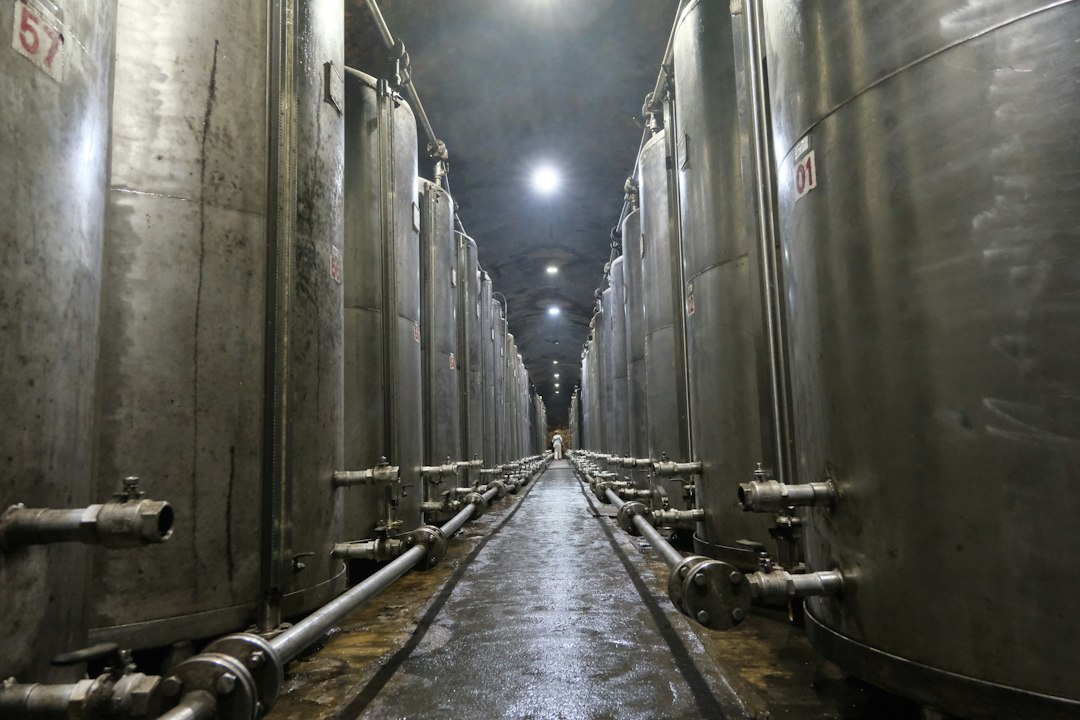
Ekos is built for beverage producers that need production, inventory, purchasing, sales orders, and accounting connections in one place. It is common in craft beverage, so wineries that also make cider, spirits, or canned products may like its wider view.
Ekos is useful when raw goods and finished goods both matter. It can track packaging materials, dry goods, vendor purchases, depletion, and sales flow. That gives managers a better read on cash tied up in stock.
Wine teams may still find some tasks less natural than in InnoVint or Vintrace. Barrel aging, blending, and cellar movements often need more careful setup. Honestly, it feels like the system shines brightest when inventory and business admin matter as much as winemaking detail.
How the other 4 tools fit
- Vinsight: A solid middle option for wineries that want production, inventory, and sales in one system. It can suit teams that have outgrown spreadsheets but do not need a large enterprise setup.
- WineDirect: Best for direct-to-consumer sales. It helps with ecommerce, wine clubs, and fulfillment stock. It should not be treated as a cellar management replacement.
- Commerce7: Strong for customer-facing sales, clubs, and allocations. It works well beside a production system, not instead of one.
- GreatVines: Useful for sales reps, distributor relations, and account planning. It is weak for physical cellar inventory.
Best choice by winery type
- Boutique winery under 10,000 cases: InnoVint or Vinsight.
- Growth winery from 10,000 to 100,000 cases: InnoVint, Vintrace, or Ekos, based on workflow needs.
- Large multi-site producer: Vintrace.
- Wine plus cider, beer, or spirits: Ekos.
- DTC-heavy winery: WineDirect or Commerce7 paired with InnoVint or Vintrace.
The simple rule is this: production systems track how wine is made; sales systems track how wine is sold. A winery that confuses those roles will usually end up with duplicate stock counts, late updates, and awkward month-end fixes.
FAQ
Which tool is best for winery production tracking?
InnoVint is often the easiest choice for cellar-focused production tracking. Vintrace is better when the winery has complex sites, workflows, or reporting needs.
Is Ekos good for wineries?
Yes. Ekos works well for wineries that care about inventory, purchasing, sales orders, and accounting links. It may need more setup for detailed wine-specific cellar work.
Can WineDirect or Commerce7 replace cellar software?
Usually no. They are strong for DTC sales, clubs, ecommerce, and fulfillment. They are not built to manage tanks, barrels, additions, and blending in depth.
What is the biggest mistake when choosing wine inventory software?
The biggest mistake is picking a sales tool and expecting it to manage production. The second mistake is buying a complex system without enough staff time to maintain clean data.
Which tool should a small winery choose?
A small winery should start with InnoVint if cellar accuracy is the main problem. It should consider Vinsight if it wants a broader but simpler production and stock system.