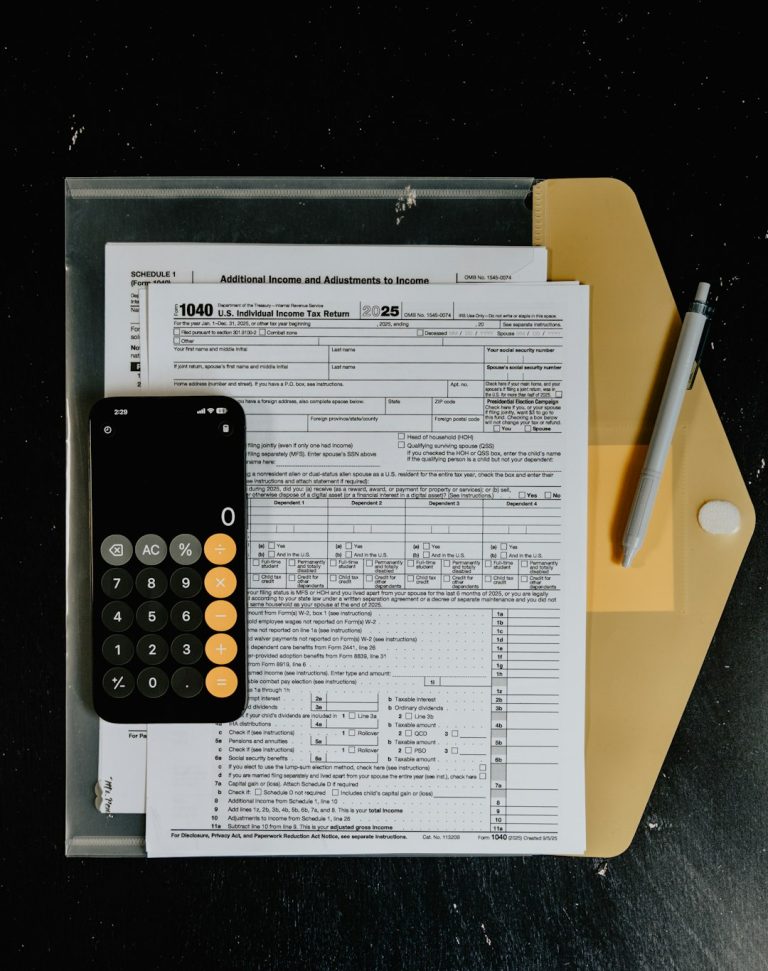
Restoring a classic or damaged vehicle is as much a project management challenge as it is a mechanical one. From sourcing rare parts to coordinating bodywork, paint, electrical repairs, and reassembly, automotive restoration projects involve dozens—sometimes hundreds—of moving parts. Without a structured system for tracking tasks, timelines, costs, and responsibilities, even experienced restorers risk delays, cost overruns, and overlooked repairs. The right project management tool brings clarity and accountability to what can otherwise become a chaotic process.
TLDR: Automotive restoration projects require structured tracking of tasks, budgets, and timelines. Digital project management tools help restoration shops and individuals stay organized, reduce delays, and improve communication. Trello excels at visual task tracking, Monday.com offers powerful workflow customization, and AutoLeap is tailored specifically to automotive repair environments. Choosing the right platform depends on your shop size, complexity of projects, and need for industry-specific features.
Whether you operate a professional restoration shop or are managing a high-value personal build, investing in proper tracking tools is no longer optional—it is a competitive advantage. Below are three highly effective automotive restoration project management tools that help track repairs and timelines with precision.
1. Trello: Visual Workflow Control for Restoration Projects
Trello is a visually driven project management platform built around boards, lists, and cards. For automotive restoration professionals, it offers a straightforward yet powerful way to track every stage of a vehicle rebuild.
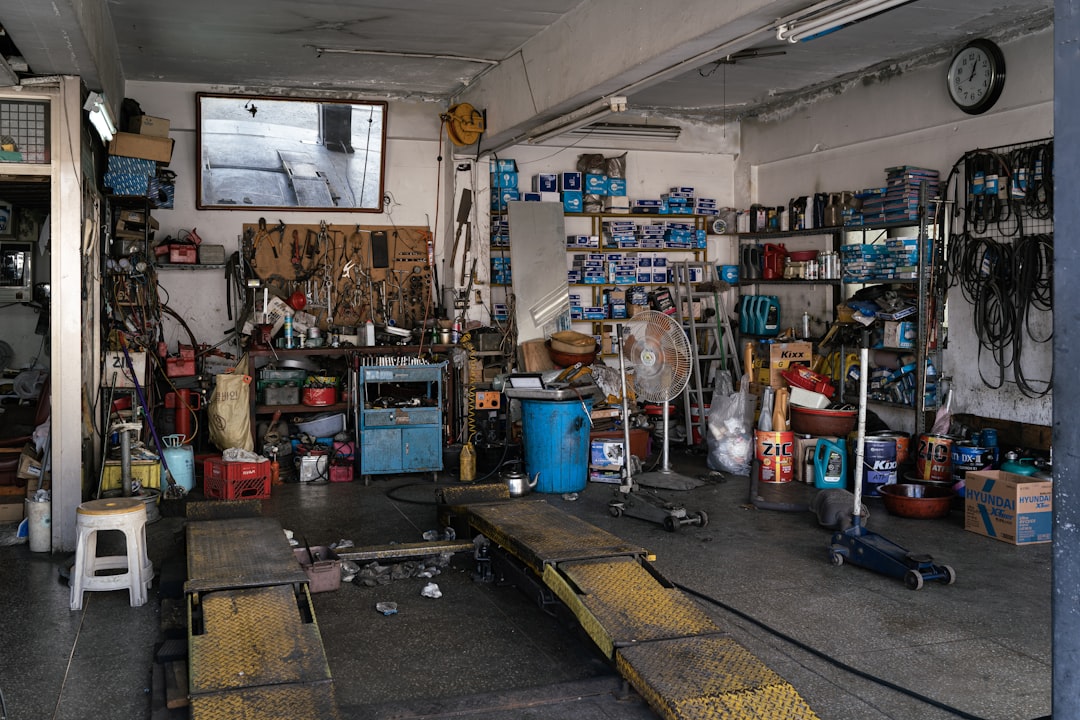
Why Trello Works for Vehicle Restorations
Restoration work naturally follows stages: disassembly, inspection, parts sourcing, bodywork, drivetrain repair, paint, reassembly, testing, and detailing. Trello’s Kanban-style boards mirror this logical progression perfectly.
Each vehicle can receive its own board, while tasks—such as “Rebuild carburetor,” “Repair rear quarter panel rust,” or “Install updated wiring harness”—become individual cards. These cards can include:
- Due dates
- Checklists for subtasks
- Parts lists
- Budget notes
- File attachments such as photos and invoices
- Assigned technicians
For restoration managers juggling multiple builds, Trello provides instant visual clarity. If a vehicle is stuck in “Waiting on Parts,” you can identify bottlenecks immediately.
Strengths
- Ease of use: Minimal training required.
- Visual clarity: Ideal for tracking stage progression.
- Cost-effective: Free and low-cost plans available.
- Flexible customization: Works for both small and large shops.
Limitations
- Limited built-in budgeting tools.
- Not automotive-specific.
- Advanced reporting requires integrations.
Best suited for: Small to mid-size restoration shops or individual builders who prefer a highly visual workflow without overly complex features.
2. Monday.com: Advanced Workflow and Timeline Management
Monday.com is a robust project management system known for flexibility and highly customizable workflows. For restoration projects that involve multiple technicians, vendors, and deadlines, it offers improved visibility and structured data management.

Key Capabilities for Automotive Projects
Mondays.com’s structured dashboards allow restoration managers to monitor:
- Task progress across departments (body, engine, upholstery, paint)
- Parts ordering status
- Labor hours logged
- Budget consumption
- Project timeline projections
Unlike simpler tools, Monday.com provides Gantt charts and timeline views that display dependencies between tasks. For example, final assembly cannot begin until paint curing is complete. By placing dependencies in the system, scheduling becomes far more precise.
Automated notifications can alert team members when parts arrive, tasks are overdue, or budgets exceed preset thresholds. This dramatically reduces communication gaps.
Strengths
- Highly customizable dashboards and reports
- Timeline and dependency management
- Automation capabilities
- Strong collaboration tools
Limitations
- Higher cost compared to basic tools.
- Learning curve for smaller teams.
- Requires deliberate setup for optimal results.
Best suited for: Growing restoration shops managing multiple concurrent builds with complex scheduling dependencies.
3. AutoLeap: Industry-Specific Shop Management Integration
Unlike Trello and Monday.com, AutoLeap is specifically designed for automotive repair businesses. While it is often associated with repair shops, its structured workflows are highly beneficial for restoration operations as well.

Automotive-Centric Functionality
AutoLeap focuses on the operational side of running an automotive shop. It integrates:
- Repair order management
- Inventory tracking
- Customer communication tools
- Labor cost tracking
- Invoicing and payment systems
For restoration projects—especially those involving client vehicles—this integration is critical. A restoration job may take months. Throughout that time, accurate billing, documented approvals, and ongoing communication must be maintained.
AutoLeap’s repair order system allows managers to break a restoration into structured work segments. As phases are completed, labor is logged, parts are tracked, and costs are automatically updated. This prevents unexpected overruns and maintains financial transparency.
Strengths
- Designed specifically for automotive businesses
- Integrated invoicing and payment processing
- Inventory and parts management
- Customer communication tracking
Limitations
- Less visually oriented for task-level workflow.
- Best for professional shops rather than hobbyists.
- Pricing structured for established businesses.
Best suited for: Established restoration shops that require full operational integration rather than standalone task tracking.
Comparison Chart
| Feature | Trello | Monday.com | AutoLeap |
|---|---|---|---|
| Ease of Use | Very High | Moderate | Moderate |
| Visual Workflow (Kanban) | Excellent | Strong | Limited |
| Timeline & Gantt Charts | Basic (via add-ons) | Advanced | Basic |
| Budget Tracking | Manual/Integrations | Strong | Integrated |
| Inventory Management | No | No (requires integration) | Yes |
| Automotive-Specific Tools | No | No | Yes |
| Best For | Small shops, individuals | Mid-size to growing shops | Established automotive businesses |
How to Choose the Right Tool for Your Restoration Operation
Selecting the appropriate project management tool depends on three primary factors:
1. Project Complexity
If your builds involve frame-off restorations, custom fabrication, and multi-stage refinishing, you will benefit from tools that track dependencies and long-term schedules.
2. Team Size
Larger teams require structured permission controls, automated notifications, and standardized task systems. Smaller operations may prefer simplicity over depth.
3. Financial Tracking Needs
Restoration projects can easily exceed initial budget estimates. If cost tracking is central to your operations, industry-integrated platforms like AutoLeap provide substantial safeguards.
Best Practices for Managing Automotive Restoration Timelines
Regardless of which tool you adopt, several universal best practices strengthen project control:
- Break every phase into granular tasks. Avoid broad entries such as “Engine Restoration.” Instead, divide into teardown, inspection, machining, reassembly, and testing.
- Track parts sourcing separately. Delays frequently occur due to backorders or specialty fabrications.
- Photographically document progress. Images improve customer communication and serve as quality assurance records.
- Build schedule buffers. Paint curing times, machine shop delays, and shipping disruptions are common.
- Review timelines weekly. Restoration projects evolve; proactive monitoring prevents stagnation.
Automotive restoration is not simply mechanical labor—it is coordination, sequencing, budgeting, and documentation. The more structured your management method, the more predictable your outcomes.
Final Thoughts
Restoring a vehicle demands craftsmanship, patience, and discipline. However, passion alone does not guarantee timely or profitable results. Structured tracking tools transform complex restoration builds into manageable workflows with measurable progress.
Trello offers simplicity and immediate visual clarity. Monday.com provides depth, automation, and timeline control for expanding operations. AutoLeap delivers industry-specific integration that combines repair tracking with business management.
Ultimately, the most effective restoration shops treat project management with the same seriousness as engine rebuilding or body alignment. Implementing the right digital tool does more than track repairs—it safeguards schedules, protects budgets, and reinforces professional credibility.