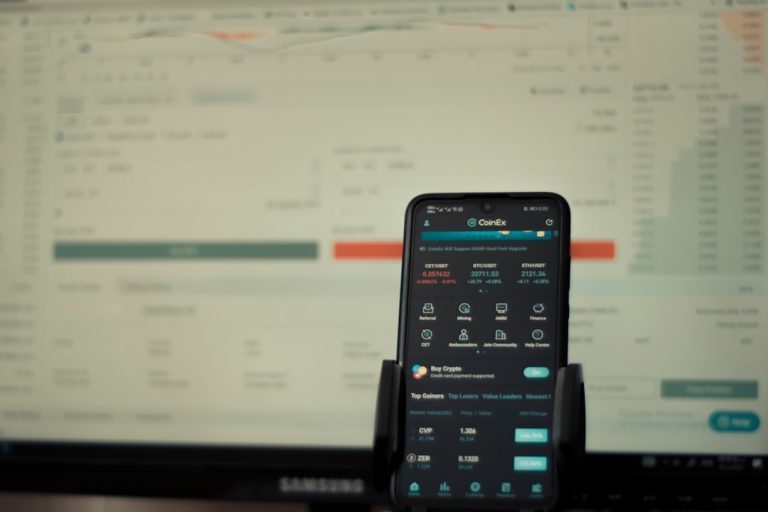
Money decisions can feel like guesswork. Markets move fast. Costs go up. Revenue goes down. And sometimes, it all feels like a big puzzle. But smart financial analysis tools can turn confusion into clarity. They help you forecast better, build smarter budgets, and choose stronger investments. The best part? You do not need to be a math genius to use them.
TLDR: Financial analysis tools help you predict future trends, control spending, and make better investment choices. Tools like financial modeling software, budgeting platforms, ratio analysis dashboards, scenario planning tools, and investment analysis systems turn raw numbers into clear insights. They reduce risk and improve confidence. When used together, they create a powerful decision-making system for businesses and individuals alike.
Let’s explore five powerful tools. We’ll keep it simple. And even a little fun.
1. Financial Modeling Software
Think of financial modeling software as a crystal ball. Not magic. Just math.
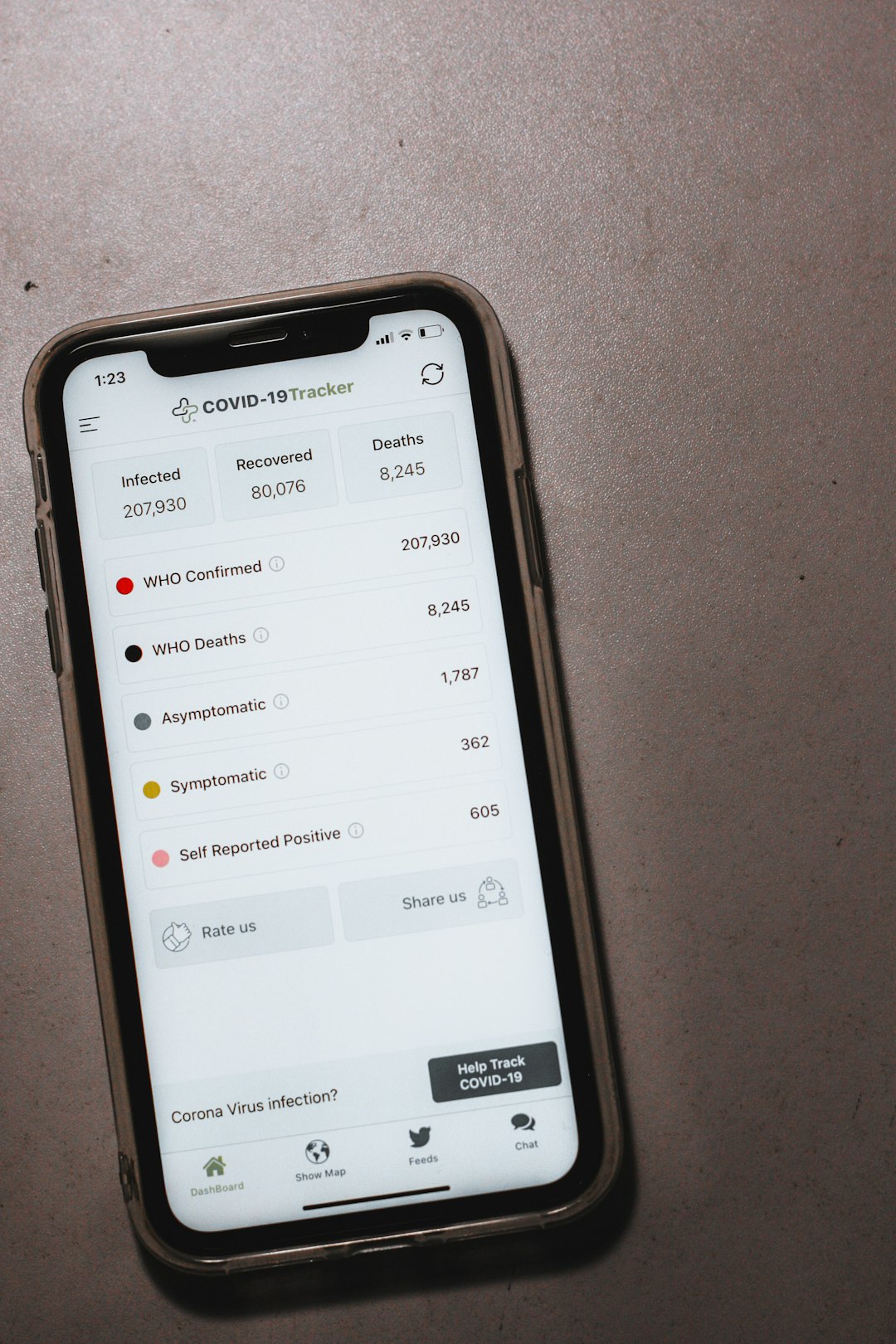
It helps you create projections. You can estimate future revenue, expenses, and profits. You can test “what if” scenarios. What if sales increase by 15%? What if costs rise by 8%? The model shows the outcome instantly.
Why it matters:
- Improves revenue forecasting
- Identifies cash flow gaps early
- Helps plan growth strategies
- Reduces financial surprises
Example: A startup planning expansion can model hiring 10 new employees. The software calculates salary costs, tax impact, and expected revenue. You see the big picture before spending a dollar.
Popular tools include:
- Excel-based advanced models
- Anaplan
- Adaptive Insights
- Planful
It is like building a financial simulator for your business.
2. Budgeting and Forecasting Platforms
A budget is a plan. A forecast is a prediction. Together, they are your financial GPS.
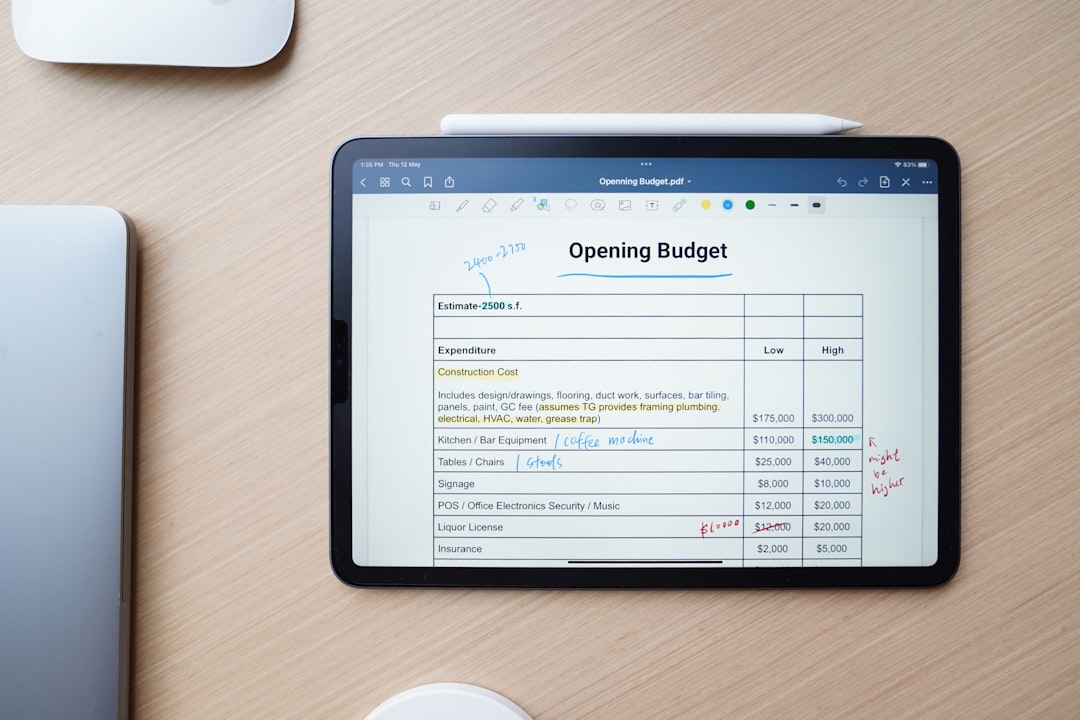
Modern budgeting software goes far beyond spreadsheets. It tracks spending in real time. It compares actual results with planned numbers. It alerts you when things go off track.
Key benefits:
- Automated expense tracking
- Real-time reporting
- Department-level budget controls
- Clear performance tracking
Why it improves decisions:
You stop reacting late. Instead, you adjust early. If marketing spends too much in Q1, you scale back in Q2. If revenue exceeds expectations, you reinvest smartly.
This tool makes budgeting less stressful. And more strategic.
Popular platforms:
- QuickBooks
- FreshBooks
- NetSuite
- Workday Adaptive Planning
It is like having a financial coach watching your numbers daily.
3. Financial Ratio Analysis Tools
Numbers alone can be misleading. Ratios bring context.
Financial ratio tools analyze relationships between numbers. For example, how much profit do you make for every dollar spent? How much debt do you carry compared to equity?
Common ratios include:
- Liquidity ratios – Can you pay short-term bills?
- Profitability ratios – Are you earning enough?
- Debt ratios – Is borrowing under control?
- Efficiency ratios – Are resources used wisely?
Why this matters:
A company may show rising revenue. Sounds good. But if debt rises faster, that is risky. Ratio analysis spots problems early.
Investors love ratios. Banks love ratios. Executives should love them too.
How it improves investment decisions:
- Compares companies quickly
- Highlights hidden weaknesses
- Supports smarter stock selection
- Strengthens credit evaluations
This tool turns raw data into meaningful insights.
4. Scenario Planning and Sensitivity Analysis Tools
The future is uncertain. Markets shift. Costs fluctuate. Competitors surprise you.
Scenario planning tools prepare you for uncertainty.
They test multiple possibilities:
- Best-case scenario
- Worst-case scenario
- Most likely scenario
Sensitivity analysis goes deeper. It changes one variable at a time. What happens if interest rates rise 2%? What if supply costs fall 5%?

Why this is powerful:
- Reduces risk exposure
- Improves crisis preparedness
- Strengthens long-term strategy
- Builds investor confidence
Imagine planning a real estate investment. You test different rental income levels. You test property value drops. Suddenly, you see your risk clearly.
This tool transforms fear into preparation.
5. Investment Analysis and Portfolio Management Tools
Investing is exciting. But guessing is dangerous.
Investment analysis tools evaluate performance, risk, and diversification. They track asset allocation. They measure returns. They compare benchmarks.
Main features:
- Risk-return analysis
- Diversification tracking
- Performance benchmarking
- Asset allocation modeling
Why investors rely on this:
It prevents emotional decisions. Instead of panic selling, you check the data. Instead of chasing trends, you analyze fundamentals.
A balanced portfolio reduces stress. And improves long-term growth.
Popular tools:
- Morningstar
- Bloomberg Terminal
- Personal Capital
- Yahoo Finance analytics
This tool keeps your investments aligned with your goals.
Comparison Chart
| Tool | Main Purpose | Best For | Key Benefit |
|---|---|---|---|
| Financial Modeling Software | Future projections | Business growth planning | Clear revenue and cost forecasts |
| Budgeting Platforms | Expense tracking and planning | Operational control | Real-time budget management |
| Ratio Analysis Tools | Financial health measurement | Investors and lenders | Quick performance evaluation |
| Scenario Planning Tools | Risk testing | Strategic planning | Better crisis preparation |
| Investment Analysis Tools | Portfolio optimization | Individual and institutional investors | Improved risk-adjusted returns |
How These Tools Work Together
One tool is helpful. Five tools are powerful.
Here is how they connect:
- Financial modeling predicts outcomes.
- Budgeting tools control spending.
- Ratio analysis measures health.
- Scenario tools test risk.
- Investment tools optimize returns.
Together, they create a strong financial system.
Think of it like a car:
- The model is your engine.
- The budget is your fuel control.
- Ratios are your dashboard indicators.
- Scenario planning is your brake system.
- Investment tools are your navigation system.
When everything works together, the journey becomes smoother.
Tips for Getting Started
You do not need all tools at once.
Step 1: Start with budgeting. Control expenses first.
Step 2: Add financial modeling for forecasting.
Step 3: Use ratios to monitor performance.
Step 4: Apply scenario analysis for big decisions.
Step 5: Optimize investments with portfolio tools.
Keep it simple. Focus on clarity. Automate where possible.
Final Thoughts
Financial success is not luck. It is smart analysis.
The right tools turn complex numbers into simple insights. They reduce uncertainty. They increase confidence. And they improve forecasting, budgeting, and investment decisions.
You do not need to predict the future perfectly. You just need better information.
And with these five financial analysis tools, you are no longer guessing. You are planning. Strategizing. And growing.
That is the real power of smart financial analysis.