As backend infrastructure evolves, many development teams are reassessing their platform choices. One common transition involves replacing a Railway and Supabase integration with alternative solutions that better align with scaling needs, compliance requirements, pricing models, or performance expectations. While Railway and Supabase together offer simplicity and rapid deployment, teams often outgrow the integration or require more granular control over architecture.
TLDR: Developers replacing Railway Supabase integration typically evaluate five major alternatives: fully managed Backend-as-a-Service platforms, self-hosted PostgreSQL with cloud compute, serverless-first stacks, Kubernetes-based deployments, and alternative integrated PaaS ecosystems. Each option presents trade-offs in scalability, cost, DevOps overhead, and flexibility. The right choice depends on project complexity, team expertise, and long-term infrastructure strategy.
Why Developers Replace Railway Supabase Integration
The Railway and Supabase integration works well for rapid MVP development. Railway simplifies infrastructure deployment, while Supabase provides PostgreSQL, authentication, storage, and real-time capabilities. However, over time, development teams may encounter limitations such as:
- Performance bottlenecks in production-scale environments
- Cost unpredictability as usage increases
- Limited customization for backend infrastructure
- Compliance requirements demanding more control
- Vendor lock-in concerns
When these issues arise, teams begin evaluating replacement options that better fit their long-term roadmap.
1. Fully Managed Backend-as-a-Service (BaaS) Platforms
One path developers take is replacing the Railway Supabase combination with another all-in-one Backend-as-a-Service platform. These platforms aim to deliver database management, authentication, APIs, and storage within a single managed ecosystem.

Why It Appeals to Developers
- Minimal DevOps overhead
- Built-in auth and security controls
- Scalable database infrastructure
- Integrated monitoring tools
Trade-Offs
- Less control over database configurations
- Potential pricing increases at scale
- Dependency on provider roadmap
This solution works best for startups and small-to-mid teams that prioritize speed over deep infrastructure control.
2. Self-Hosted PostgreSQL with Cloud Compute
For teams requiring more flexibility, moving to a self-hosted PostgreSQL instance on a cloud provider is a common approach. Instead of relying on an integrated Supabase backend, developers install and manage PostgreSQL directly using virtual machines or managed database services.
Why Teams Choose This Route
- Full control over PostgreSQL configuration
- Custom replication and scaling setups
- Advanced indexing and performance tuning
- Easier integration with internal tooling
Challenges
- Higher DevOps effort
- Security and patch management responsibilities
- Backup and failover configuration complexity
This option is ideal for teams with experienced backend engineers who need maximum control over database performance and scalability.
3. Serverless-First Stack
Another popular replacement strategy involves adopting a serverless architecture. Instead of using Railway to host services, developers deploy serverless functions paired with managed databases and event-driven infrastructure.

Core Benefits
- Auto-scaling without infrastructure management
- Pay-per-use pricing model
- Reduced idle server costs
- Highly elastic workloads
Potential Downsides
- Cold-start latency
- Stateless architecture limitations
- Complex debugging in distributed environments
Serverless stacks are particularly effective for applications with unpredictable traffic patterns or microservice-driven architectures.
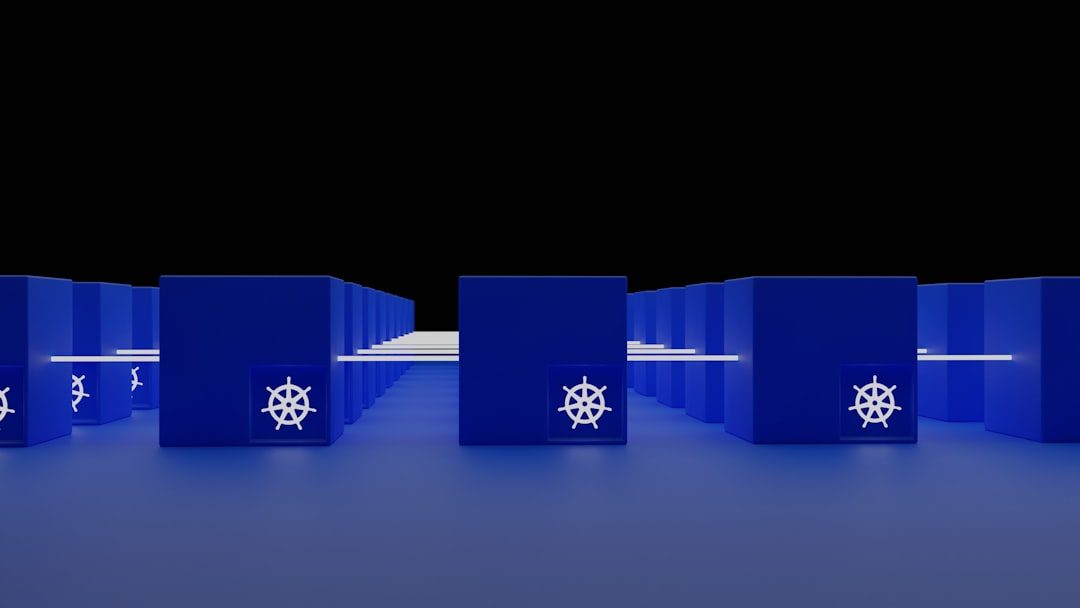
4. Kubernetes-Based Deployment
As teams grow, many transition toward container orchestration platforms such as Kubernetes. Rather than relying on Railway’s simplified deployment model, they containerize applications and manage workloads within a cluster.
Why Kubernetes Is Attractive
- Strong workload portability
- Advanced scaling policies
- Fine-grained networking configurations
- Multi-region deployment options
Considerations
- Steep learning curve
- Increased operational complexity
- Requires monitoring and observability tooling
Kubernetes is commonly adopted by organizations transitioning from startup mode to enterprise-level infrastructure management.
5. Alternative Integrated PaaS Ecosystems
Instead of separating compute and database layers, some teams move to a different Platform-as-a-Service ecosystem that combines hosting, databases, CI/CD pipelines, and monitoring in a single environment.
Advantages
- Streamlined deployment pipelines
- Predictable pricing tiers
- Integrated observability tools
- Enterprise-level support plans
Limitations
- Potential vendor lock-in
- Less customization than self-managed solutions
- Migration complexity
This approach suits teams seeking balance between operational simplicity and enterprise-grade performance.
Comparison Chart: Evaluating Replacement Options
| Solution | DevOps Effort | Scalability | Customization | Best For |
|---|---|---|---|---|
| Managed BaaS | Low | Moderate to High | Limited | Startups and small teams |
| Self-Hosted PostgreSQL | High | High | Very High | Experienced backend teams |
| Serverless Stack | Moderate | Very High | Moderate | Event-driven apps |
| Kubernetes Deployment | Very High | Very High | Very High | Scaling enterprises |
| Integrated PaaS | Moderate | High | Moderate | Growing companies |
Key Factors Developers Consider During Migration
Regardless of the chosen solution, teams typically evaluate several important criteria before replacing Railway Supabase integration:
1. Data Migration Complexity
Migrating PostgreSQL databases can be straightforward, but transferring authentication systems, storage buckets, and real-time subscriptions requires careful planning.
2. Scalability Requirements
Teams assess both vertical scaling (stronger hardware) and horizontal scaling (distributed architecture). Future growth projections heavily influence platform choice.
3. Total Cost of Ownership
Infrastructure costs include compute, bandwidth, storage, backup services, monitoring tools, and labor. Long-term financial modeling prevents surprises.
4. Security and Compliance
Industries with regulatory standards require advanced encryption, audit logging, regional data residency, and strict access controls.
5. Developer Experience
Platforms that improve debugging, deployment speed, and CI/CD automation often win adoption—even if they cost slightly more.
Making the Final Decision
Replacing Railway Supabase integration is rarely about abandoning functionality; it is about aligning infrastructure with evolving product demands. Startups may initially prioritize speed and simplicity, but as traffic, data, and compliance requirements grow, so does the need for more robust systems.
There is no universal solution. Teams must balance:
- Control vs. convenience
- Cost vs. scalability
- Speed vs. flexibility
- Simplicity vs. customization
The most successful migrations are incremental. Many teams migrate databases first, then authentication, followed by compute workloads. This phased approach reduces downtime and operational risk.
Frequently Asked Questions (FAQ)
1. Why would a team stop using Railway with Supabase?
Teams often outgrow the integration due to scaling limitations, pricing concerns, compliance requirements, or the need for customized infrastructure configurations.
2. Is self-hosting PostgreSQL more cost-effective?
It can be at scale, especially for high-traffic applications. However, operational labor costs and maintenance responsibilities must be factored into the total cost.
3. Is Kubernetes necessary for scaling applications?
Not always. Kubernetes is powerful but adds complexity. Many applications scale effectively using managed services or serverless architectures.
4. How risky is migrating away from Supabase?
Risk depends on architecture. Database migrations are typically manageable, but migrating authentication systems and real-time functionality requires detailed planning.
5. What is the easiest alternative to adopt?
Another managed Backend-as-a-Service or integrated PaaS platform usually provides the smoothest transition with minimal DevOps effort.
6. Should startups migrate early or wait?
If the current setup supports product growth and performance needs, staying put can be wise. Migration makes sense when measurable bottlenecks or strategic limitations appear.
Ultimately, replacing Railway Supabase integration is less about switching tools and more about redefining infrastructure strategy. With careful evaluation and phased implementation, development teams can position themselves for sustainable, scalable growth.